

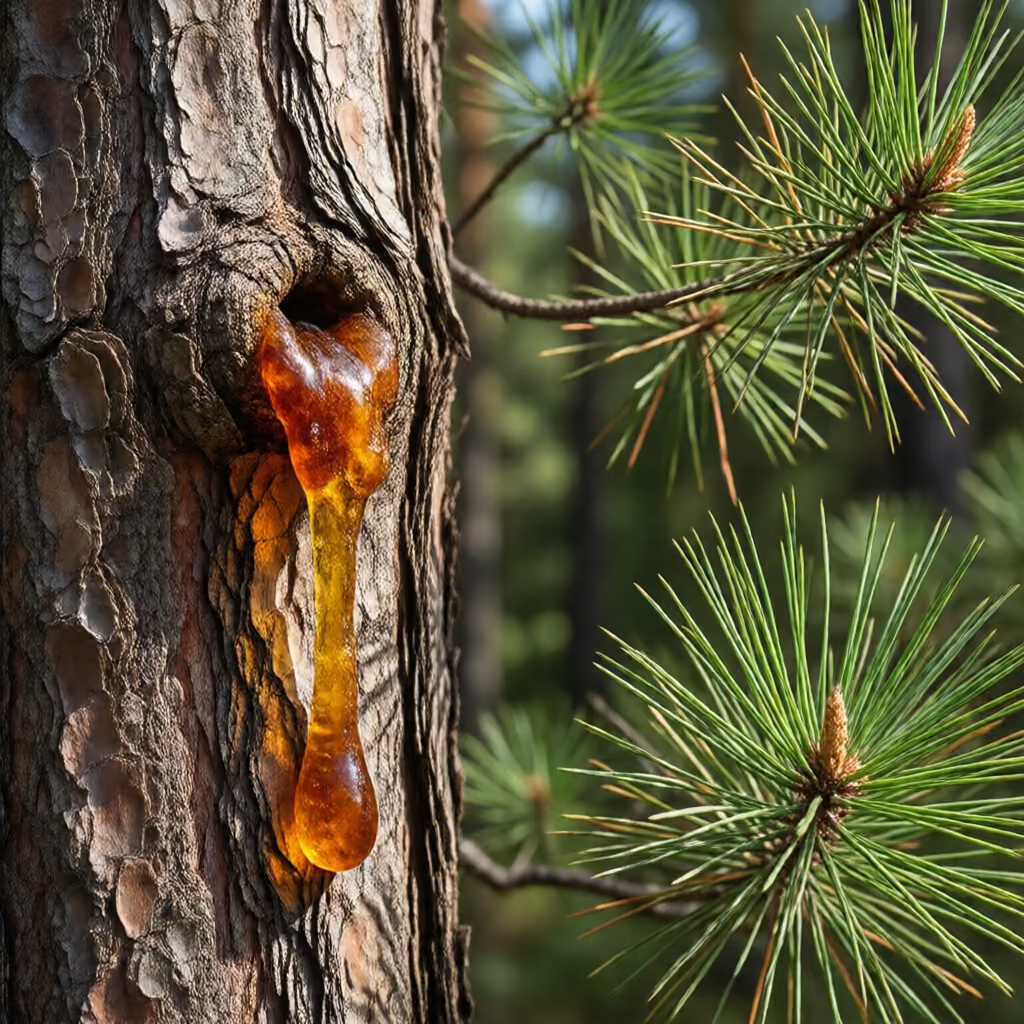
das Harz
resin
A viscous, sticky substance that is released by certain plants, especially trees.
EXAMPLE
An der Rinde klebte frisches Harz.
Fresh resin was stuck to the bark.
resin
das Harz, die Harze
Loading your saved state.
resin
A viscous, sticky substance that is released by certain plants, especially trees.
An der Rinde klebte frisches Harz.
Fresh resin was stuck to the bark.
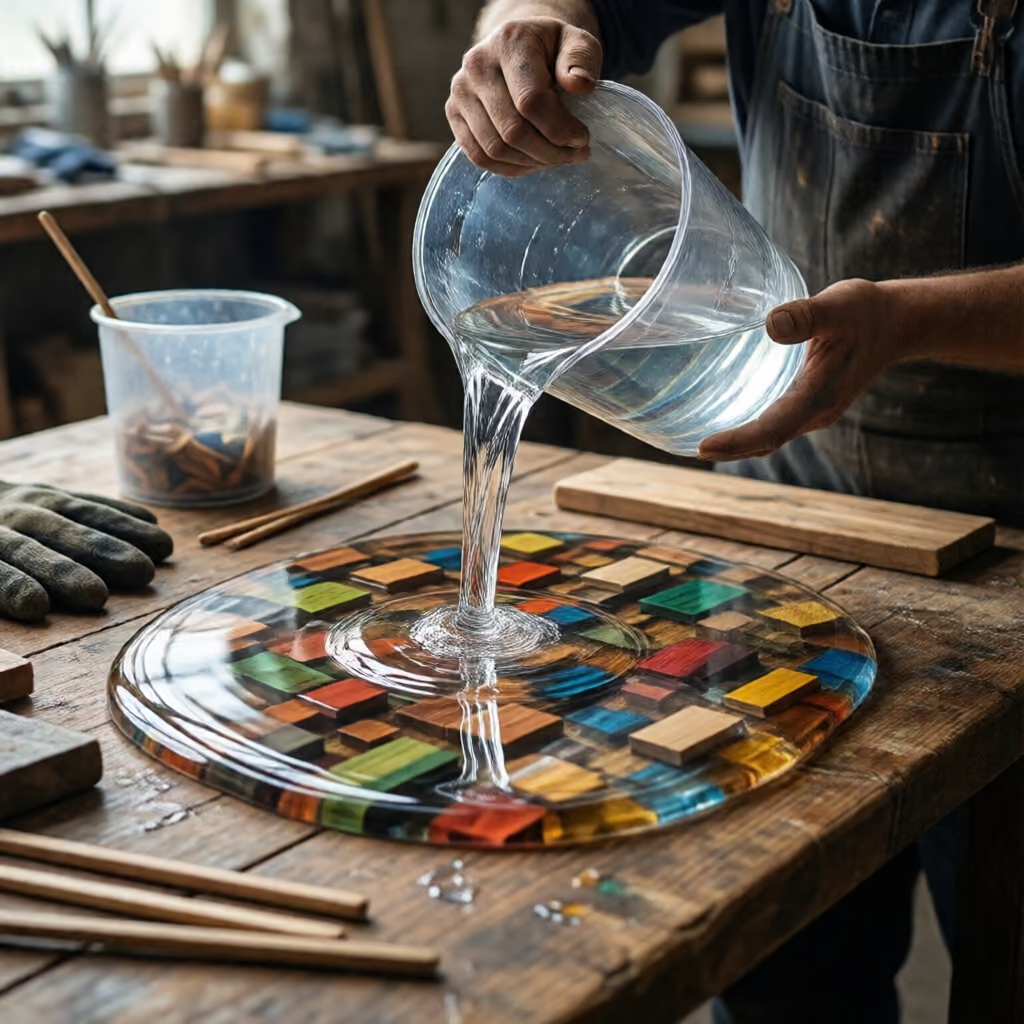
resin
A synthetically produced material that can be shaped or hardened and is used, for example, in adhesives, varnishes, or plastics.
Der Tisch wurde mit einem durchsichtigen Harz beschichtet.
The table was coated with a transparent resin.
| gender | neuter das |
|---|---|
| plural | die Harze |
| genitive | des Harzes |
| singular | plural | |
|---|---|---|
| nominative | das Harz | die Harze |
| accusative | das Harz | die Harze |
| dative | dem Harz | den Harzen |
| genitive | des Harzes | der Harze |
The article changes with the case; it is shown in colour.
With 'Harz' (resin), the accompanying words usually indicate which meaning is intended: 'Rinde' (bark), 'Baum' (tree), or 'klebrig' (sticky) point to the natural substance; 'Lack' (varnish), 'Klebstoff' (adhesive), or 'aushärten' (to harden) point to the synthetically produced material.
Nach dem Waldspaziergang hatte sie klebriges Harz an den Händen.
After her walk in the woods, she had sticky resin on her hands.
Das Harz muss vollständig aushärten.
The resin must harden completely.
For the natural substance, collocations involving trees and their bark are typical. People often say that resin comes out of a tree, sticks to the bark, or is collected.
Nach dem Sturm trat aus mehreren verletzten Bäumen Harz aus.
After the storm, resin came out of several damaged trees.