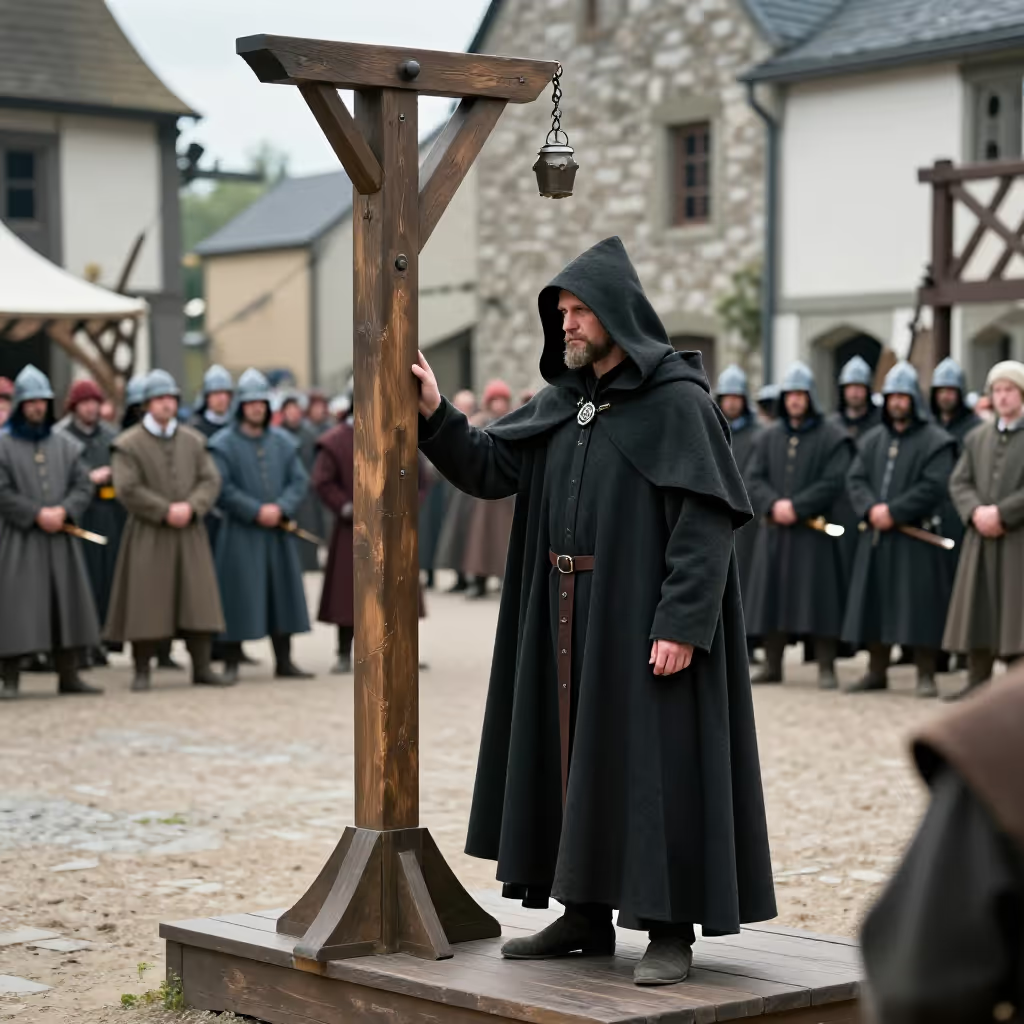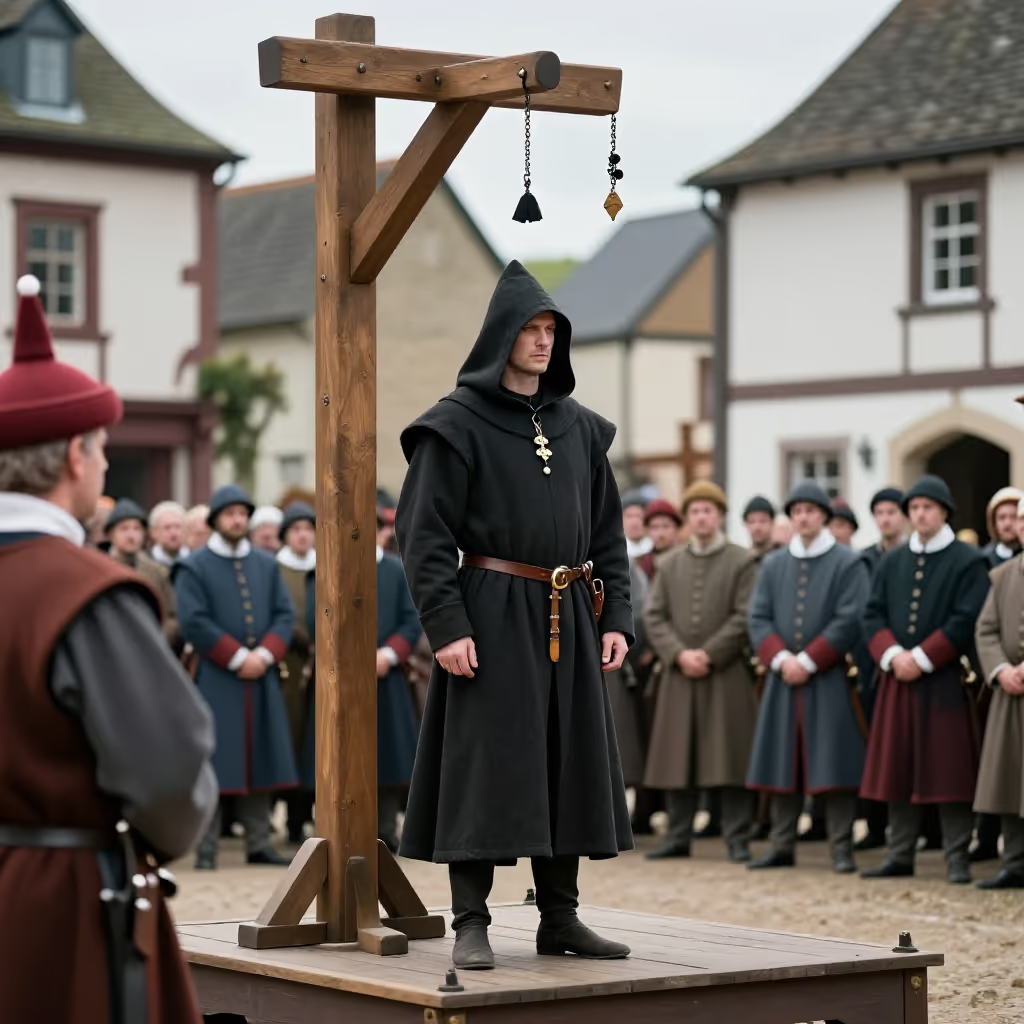
A person whose profession is to carry out death sentences.
example
Im Mittelalter war der Henker eine Person, die von der Gesellschaft zugleich gefürchtet und gemieden wurde.
In the Middle Ages, the executioner was a person who was both feared and shunned by society.

Usage tips
Fixed expression
The exclamation 'Zum Henker!' (What the hell! / Damn it!) is an outdated but well-known expression used to express annoyance or frustration. It means something like 'Verdammt!' (Damn it!).
EXAMPLE
Wo ist denn mein Schlüssel, zum Henker!
Where on earth is my key, damn it!
Historical context
In its literal meaning, the word 'Henker' (executioner) is used today almost only in historical contexts, when talking about the Middle Ages or the early modern period.
EXAMPLE
In dem Geschichtsbuch wird die Rolle des Henkers in der mittelalterlichen Stadt beschrieben.
The history book describes the role of the executioner in the medieval city.
Typical usage
In the figurative meaning, 'Henker' (tormentor) is often intensified with the adjective 'wahr' (true) or 'rein' (pure) to describe a person as extremely cruel or strict.
EXAMPLE
Mein alter Mathelehrer war ein wahrer Henker bei den Noten.
My old math teacher was a real tormentor when it came to grades.
Compare with
confusable
Henker vs Mörder
murderer
'der Mörder' and 'der Henker' both have to do with a person's death, but they do not mean the same thing. A 'Mörder' kills unlawfully and commits a crime. A 'Henker' carries out a death sentence professionally, that is, on behalf of a power or a state. The word 'Henker' fits mainly in historical or very specific contexts. Learners may confuse the words because in both cases someone dies. The important point is: 'Mörder' describes a crime, while 'Henker' describes a role in an execution.
Henker
Im Mittelalter vollstreckte der Henker das Todesurteil auf dem Marktplatz.
In the Middle Ages, the executioner carried out the death sentence in the marketplace.
Mörder
Die Zeugin erkannte den Mörder vor Gericht wieder.