

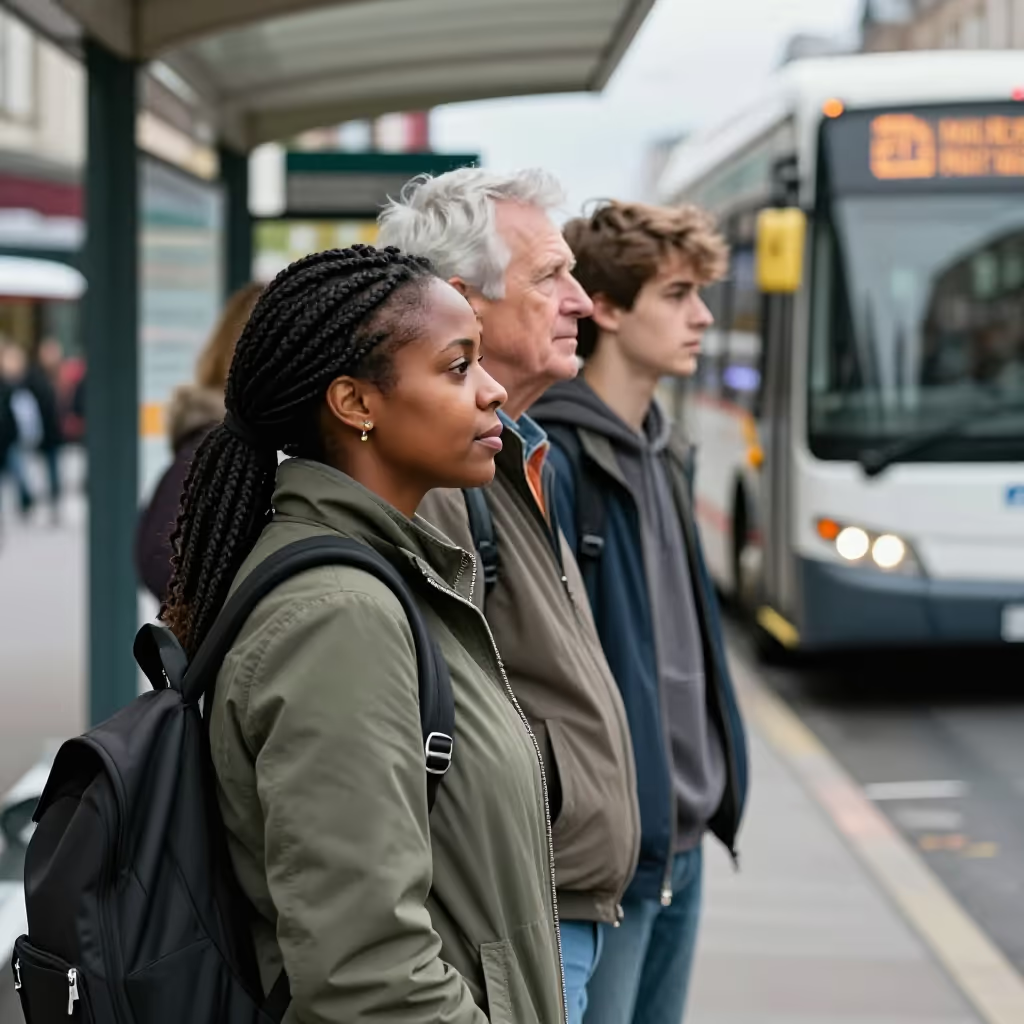
hintereinander
one behind another
Describes a spatial arrangement in which things or people are positioned one after another in a line.
Die Kinder stellten sich hintereinander in einer Reihe auf.
The children lined up one behind another in a row.
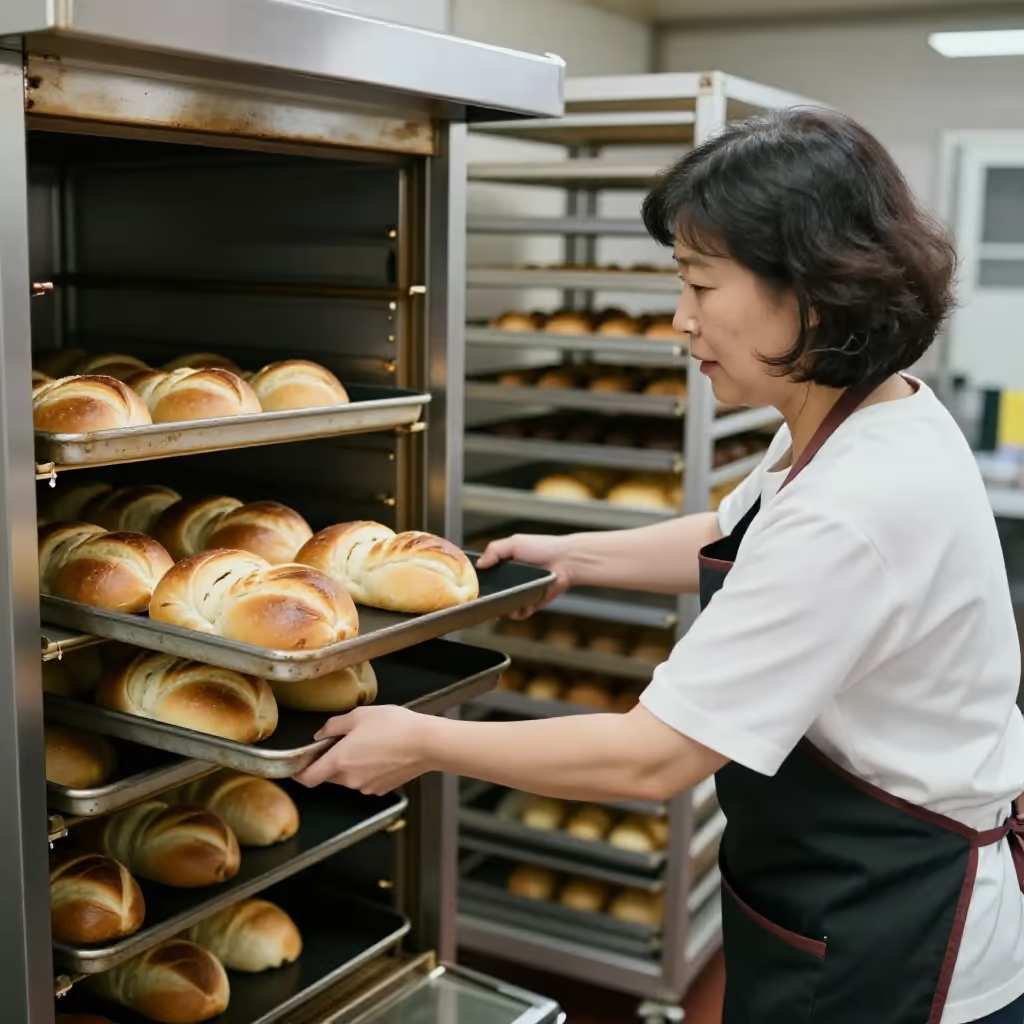
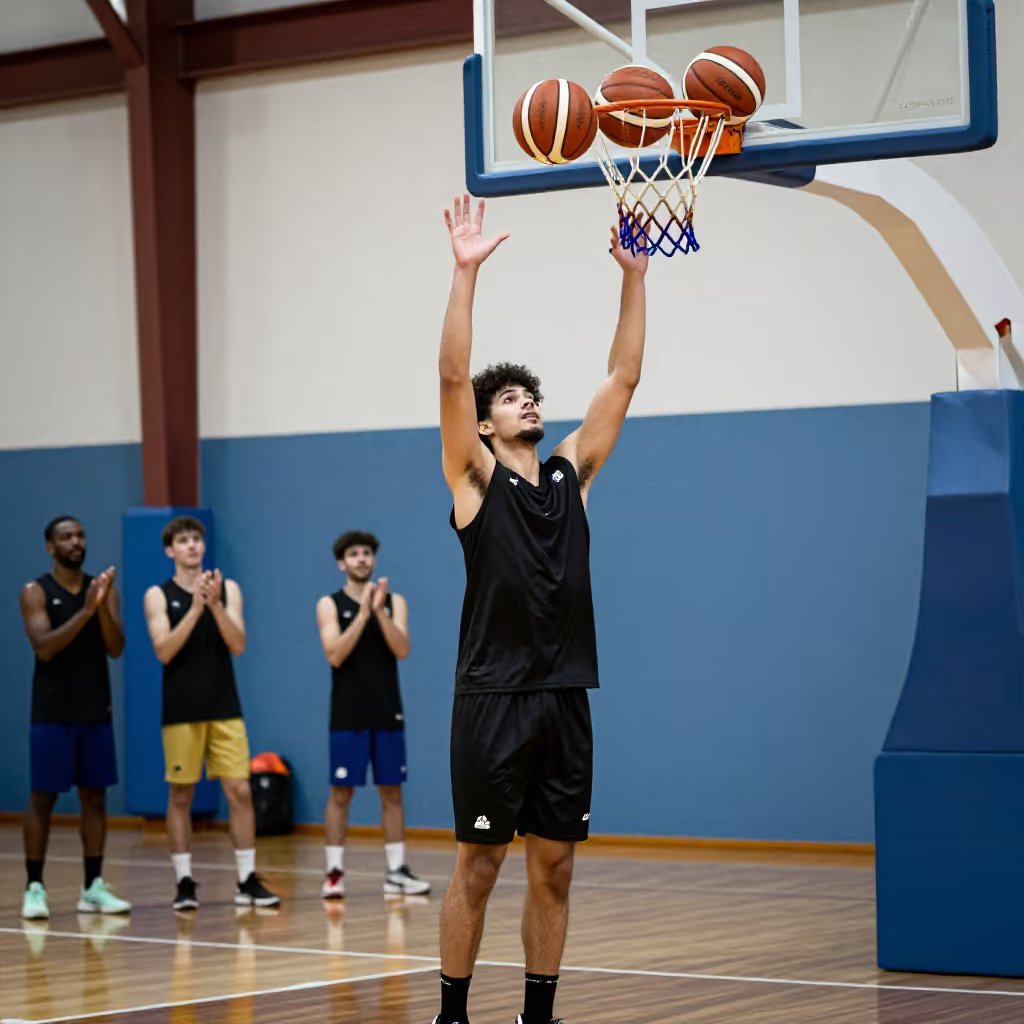
one after another / in a row
Loading your saved state.
one behind another
Describes a spatial arrangement in which things or people are positioned one after another in a line.
Die Kinder stellten sich hintereinander in einer Reihe auf.
The children lined up one behind another in a row.
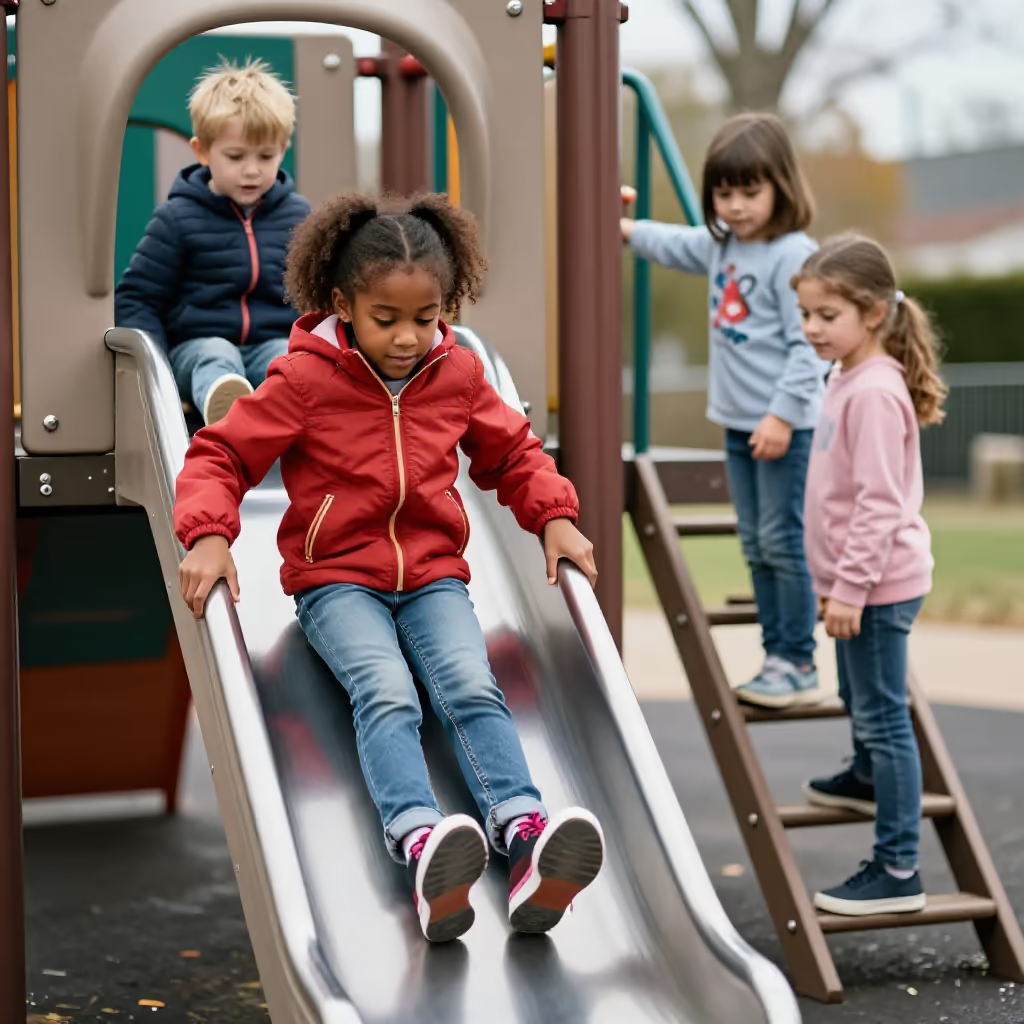
This adverb is a compound of 'hinter' (behind), 'ein' (one), and 'ander' (other). So it literally means 'behind one another' and describes an order or sequence.
Die Entenküken watschelten hintereinander über die Wiese.
The ducklings waddled one behind another across the meadow.
'Hintereinander' is an adverb and is not declined, so its form always stays the same. It usually appears in the middle field of the sentence, often after the conjugated verb and the subject.
Wir haben uns die neuen Folgen der Serie alle hintereinander angesehen.
We watched all the new episodes of the series one after another.
When 'hintereinander' is used together with a number or a word like 'mehrmals' (several times), it means 'in a row' or 'consecutively.' Watch for phrases like 'dreimal hintereinander' (three times in a row).
Er hat die Prüfung zweimal hintereinander nicht bestanden.
He failed the exam twice in a row.
You can often recognize the spatial meaning from verbs of position or movement. Typical verbs are 'stehen' (to stand), 'sitzen' (to sit), 'gehen' (to walk/go), or 'fahren' (to drive/travel).
Im Stau standen die Autos kilometerlang hintereinander.
In the traffic jam, the cars stood one behind another for kilometers.
simultaneously / at the same time
'gleichzeitig' and 'hintereinander' are opposites when talking about time. 'gleichzeitig' means that two or more things happen at the same time. 'hintereinander' means that one thing comes after another. So it is about either the same moment or a sequence. If several people speak at the same time, they are speaking 'gleichzeitig'. If one person speaks first and then the next, they are speaking 'hintereinander'.

Wegen des engen Flurs gehen die Kinder hintereinander in den Klassenraum.
Because of the narrow hallway, the children go into the classroom one after another.
Am Morgen wollen alle gleichzeitig ins Bad.
In the morning, everyone wants to use the bathroom at the same time.