

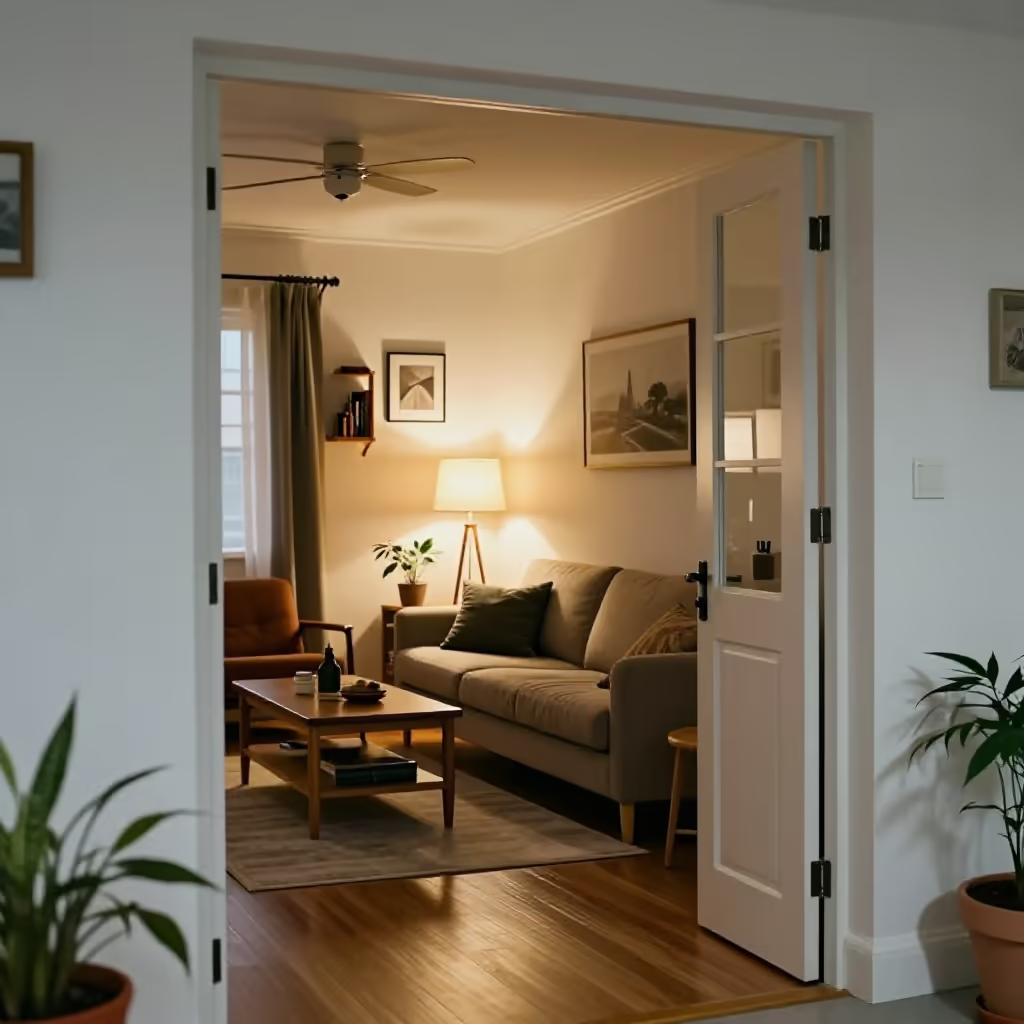
innen
inside
Refers to the inner area or interior of a room, building, or object. The opposite of 'außen' (outside).
EXAMPLE
Das Haus ist von innen viel schöner als von außen.
The house is much more beautiful on the inside than on the outside.
inside
Loading your saved state.
inside
Refers to the inner area or interior of a room, building, or object. The opposite of 'außen' (outside).
Das Haus ist von innen viel schöner als von außen.
The house is much more beautiful on the inside than on the outside.
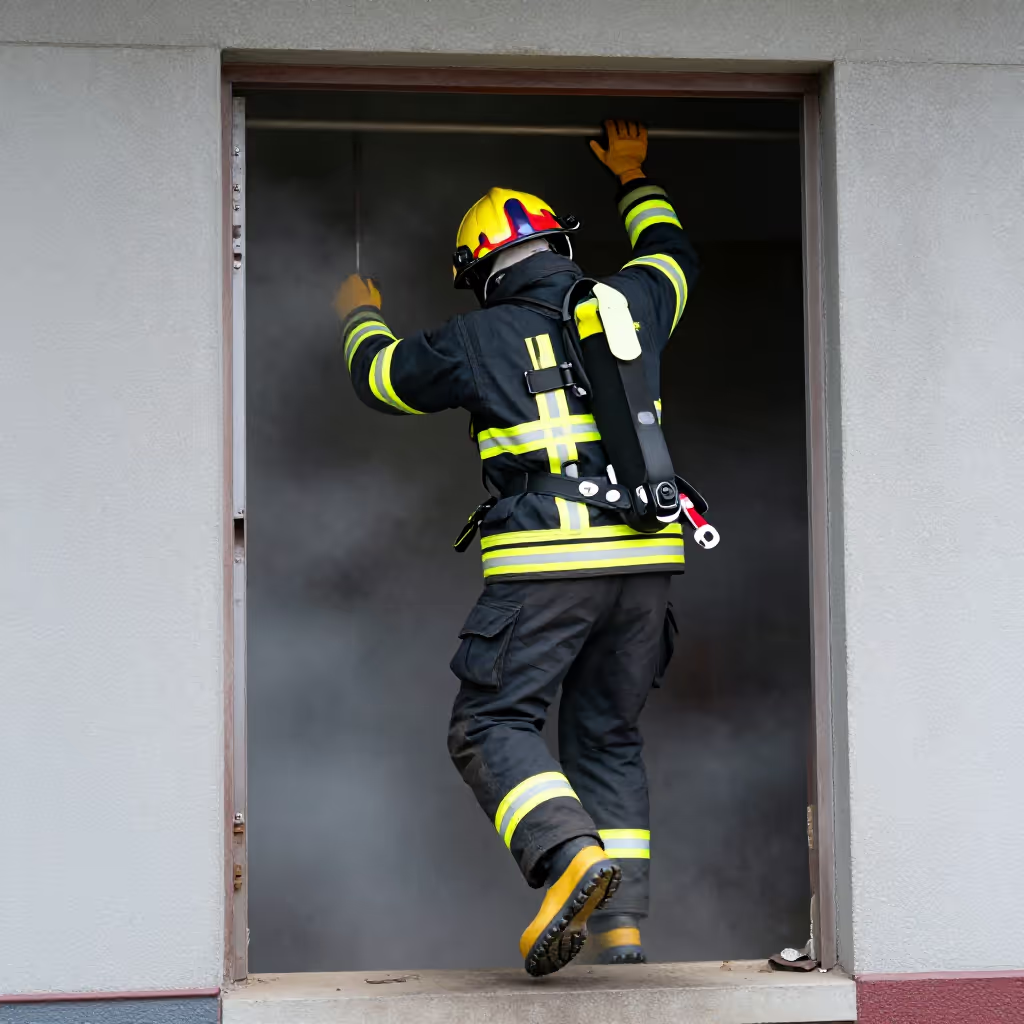
inward / from inside
Used in combination with prepositions such as 'nach' (toward) or 'von' (from) to indicate a direction or origin from the inside.
Die Tür lässt sich nur von innen öffnen.
The door can only be opened from the inside.
This adverb is used differently depending on the question. 'Innen' (inside) describes a place (question: Wo? — where?), while 'nach innen' (inward/to the inside) indicates a direction (question: Wohin? — where to?) and 'von innen' (from the inside) indicates an origin (question: Woher? — where from?).
Bitte warten Sie, es ist jemand innen.
Please wait, there is someone inside.
'Innen' (inside/interior) serves as the first part of many compound nouns. These then describe something related to the inner area, for example 'die Innenstadt' (city center), 'die Innenpolitik' (domestic policy), or 'der Innenraum' (interior).
Die neue Wohnung hat einen sehr großen Innenhof.
The new apartment has a very large inner courtyard.
As an adverb of location, 'innen' (inside) often appears at the end of the sentence or clause. It can also stand directly after the verb to emphasize the interior.
Das Zelt war innen überraschend geräumig.
The tent was surprisingly spacious inside.
within / inside
Innerhalb and innen can both indicate that something is located on the inside. Innerhalb names an area with a boundary, while innen refers to the inner area without expressing a boundary. Use innerhalb with a stated limiting location and innen for a general statement of location.
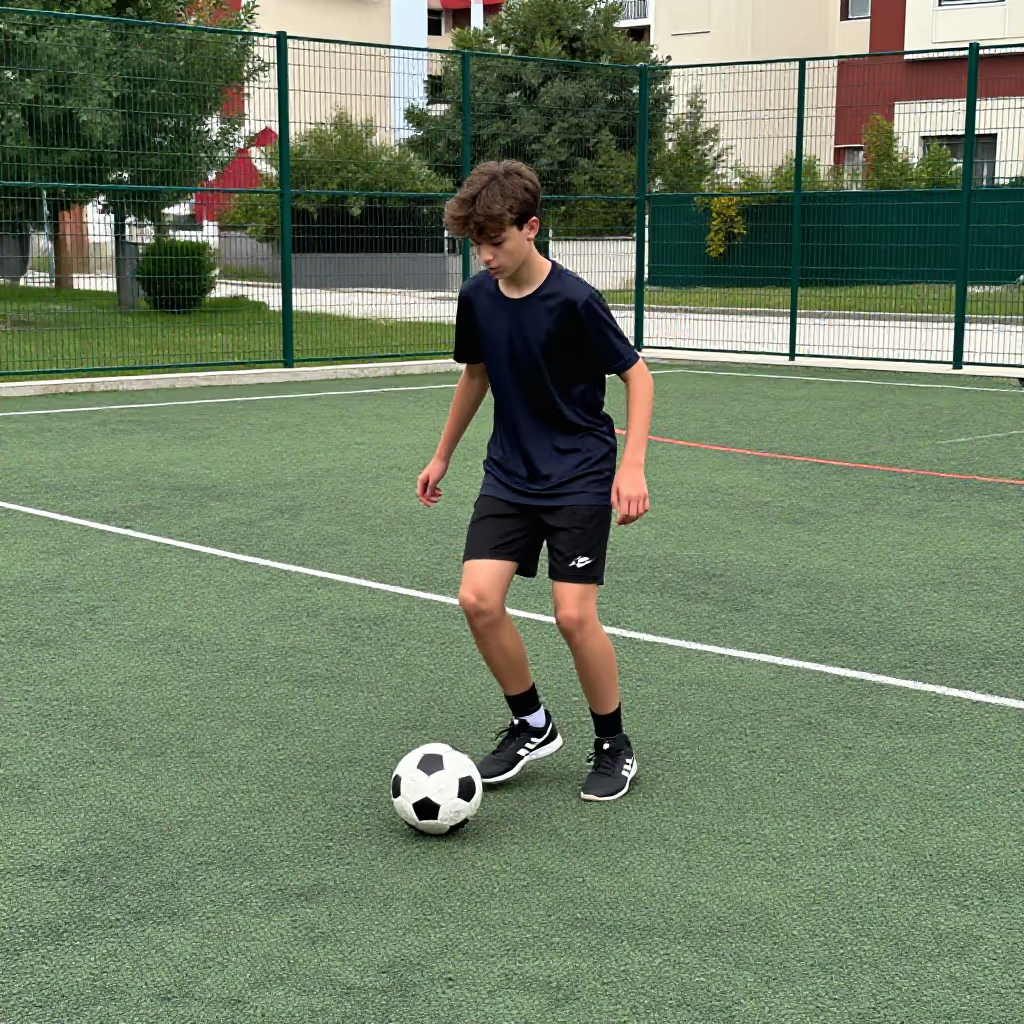
Die Kinder spielen innen.
The children are playing inside.
Die Kinder spielen innerhalb des Zauns.
The children are playing inside the fence.