

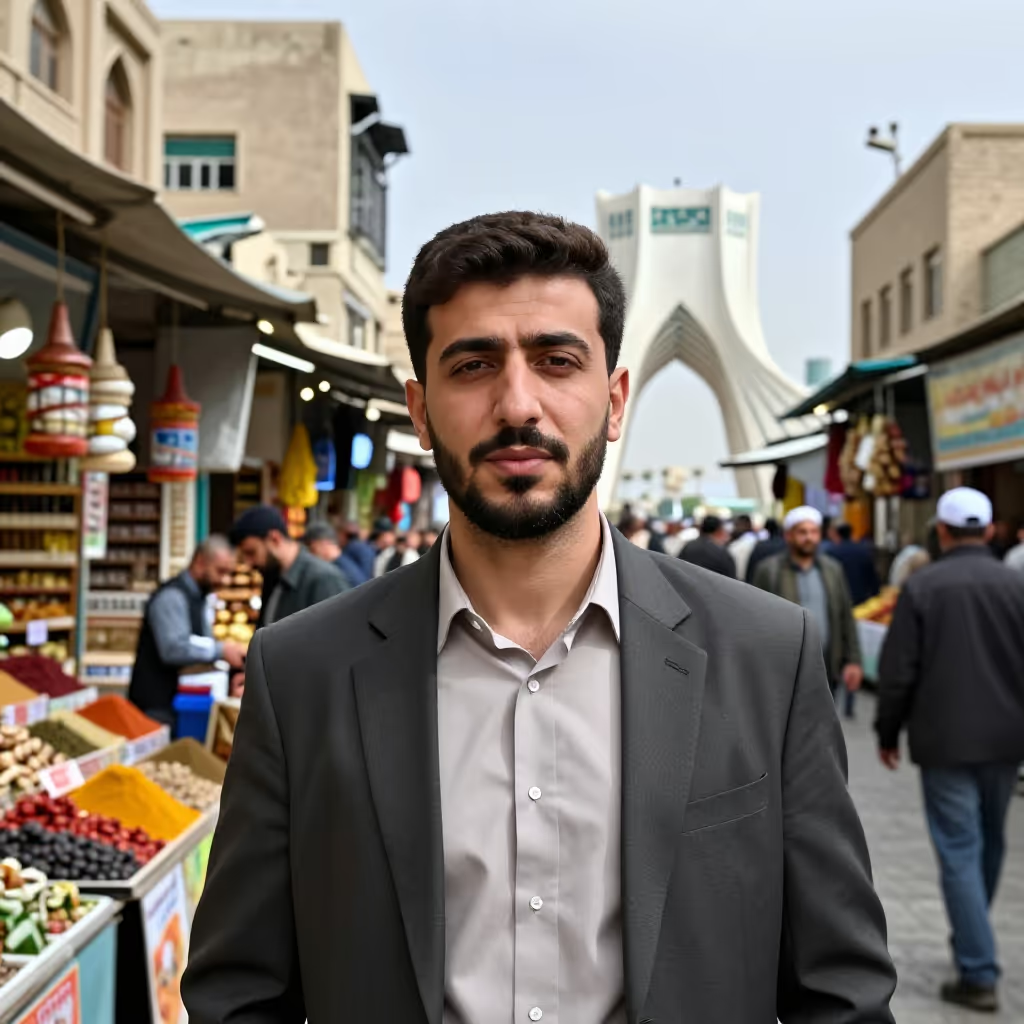
der Iraner
Iranian man
A male person who comes from Iran or has Iranian citizenship.
EXAMPLE
Mein neuer Kollege ist Iraner und hat uns persischen Tee mitgebracht.
My new colleague is Iranian and brought us Persian tea.
Iranian
Loading your saved state.
Iranian man
A male person who comes from Iran or has Iranian citizenship.
Mein neuer Kollege ist Iraner und hat uns persischen Tee mitgebracht.
My new colleague is Iranian and brought us Persian tea.
The word is formed from the country name 'Iran' and the ending '-er'. This pattern is very common for masculine nationality nouns in German.
Der beste Schachspieler im Verein ist ein Iraner.
The best chess player in the club is Iranian.
'Der Iraner' (the Iranian man) is a noun and refers to the person. The corresponding adjective is 'iranisch' (Iranian) and describes things or qualities. You say: 'Er ist Iraner' (He is Iranian), but 'Das ist iranische Kunst' (That is Iranian art).
Er ist Iraner und lebt seit fünf Jahren in Deutschland.
He is Iranian and has been living in Germany for five years.
As a noun, 'Iraner' is always capitalized. The adjective 'iranisch' is written in lowercase unless it appears at the beginning of a sentence.
Ein Iraner hat das Restaurant eröffnet.
An Iranian man opened the restaurant.
Persian
Iraner refers to a man from present-day Iran or one with Iranian citizenship. Perser can also refer to a resident of present-day Iran, but it often emphasizes Persian ancestry or a historical connection to Persia. Both terms can therefore apply to the same man.
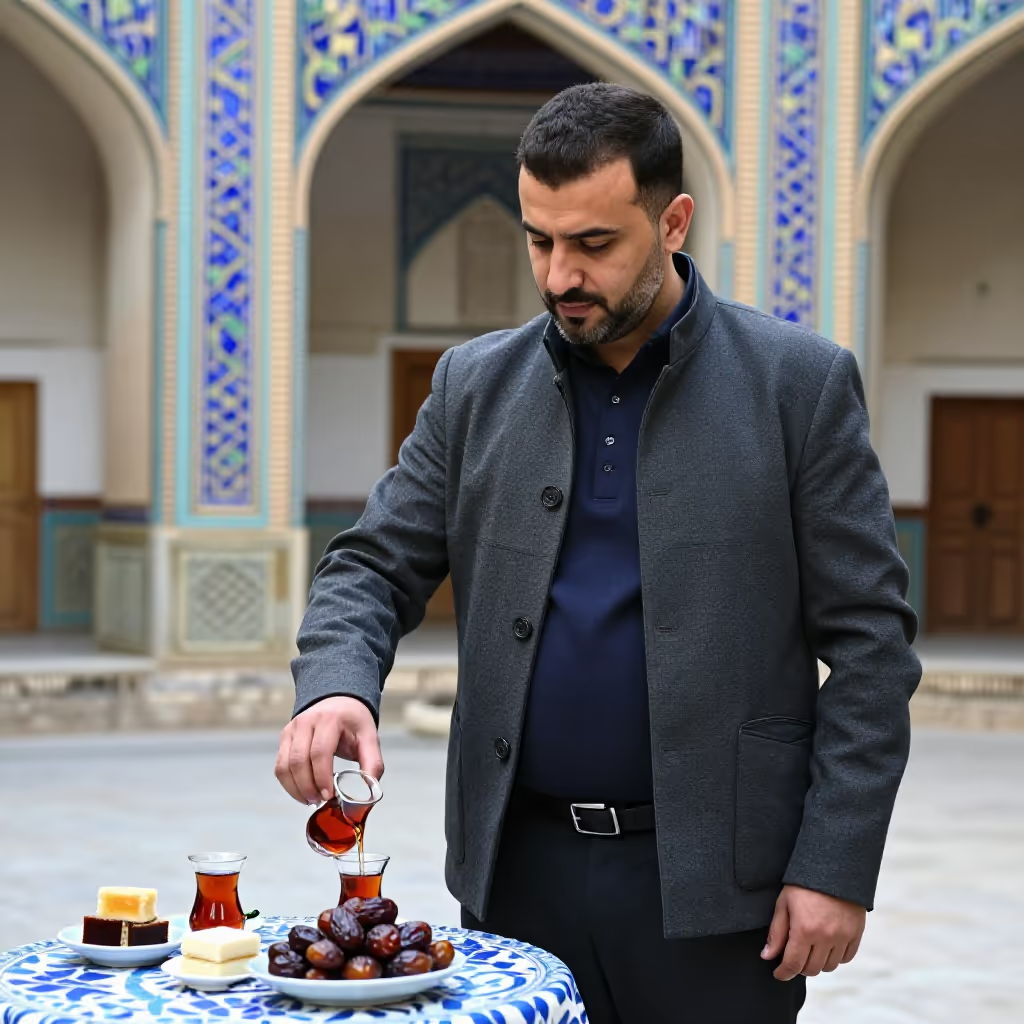
Reza ist Iraner, denn er stammt aus dem heutigen Iran.
Reza is Iranian because he comes from present-day Iran.
Reza ist Perser, denn seine Familie ist persischer Abstammung.
Reza is Persian because his family is of Persian descent.