

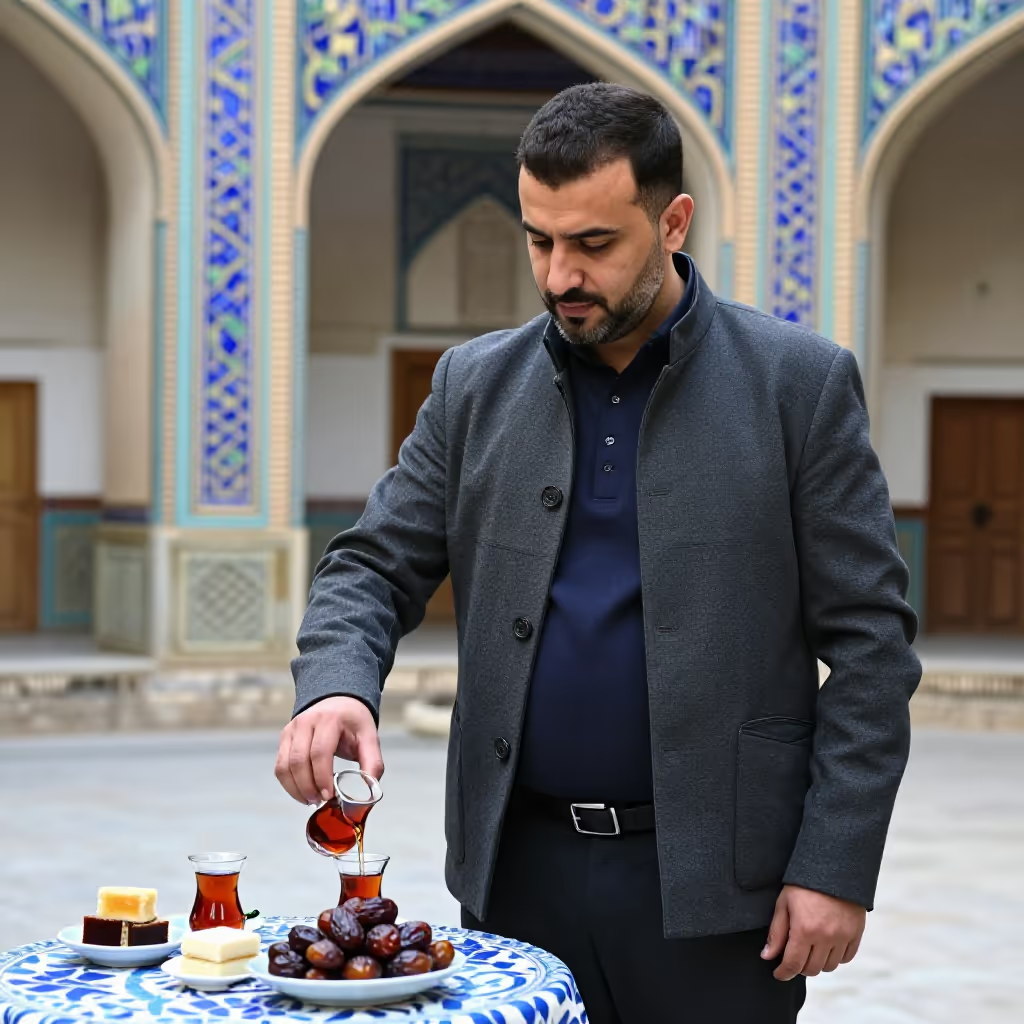
der Perser
Persian
A male inhabitant of Persia, modern-day Iran, or a person of Persian descent.
EXAMPLE
Mein Nachbar ist Perser und hat mir beigebracht, wie man Safranreis kocht.
My neighbor is Persian and taught me how to cook saffron rice.
Persian
der Perser, die Perser
Loading your saved state.
Persian
A male inhabitant of Persia, modern-day Iran, or a person of Persian descent.
Mein Nachbar ist Perser und hat mir beigebracht, wie man Safranreis kocht.
My neighbor is Persian and taught me how to cook saffron rice.
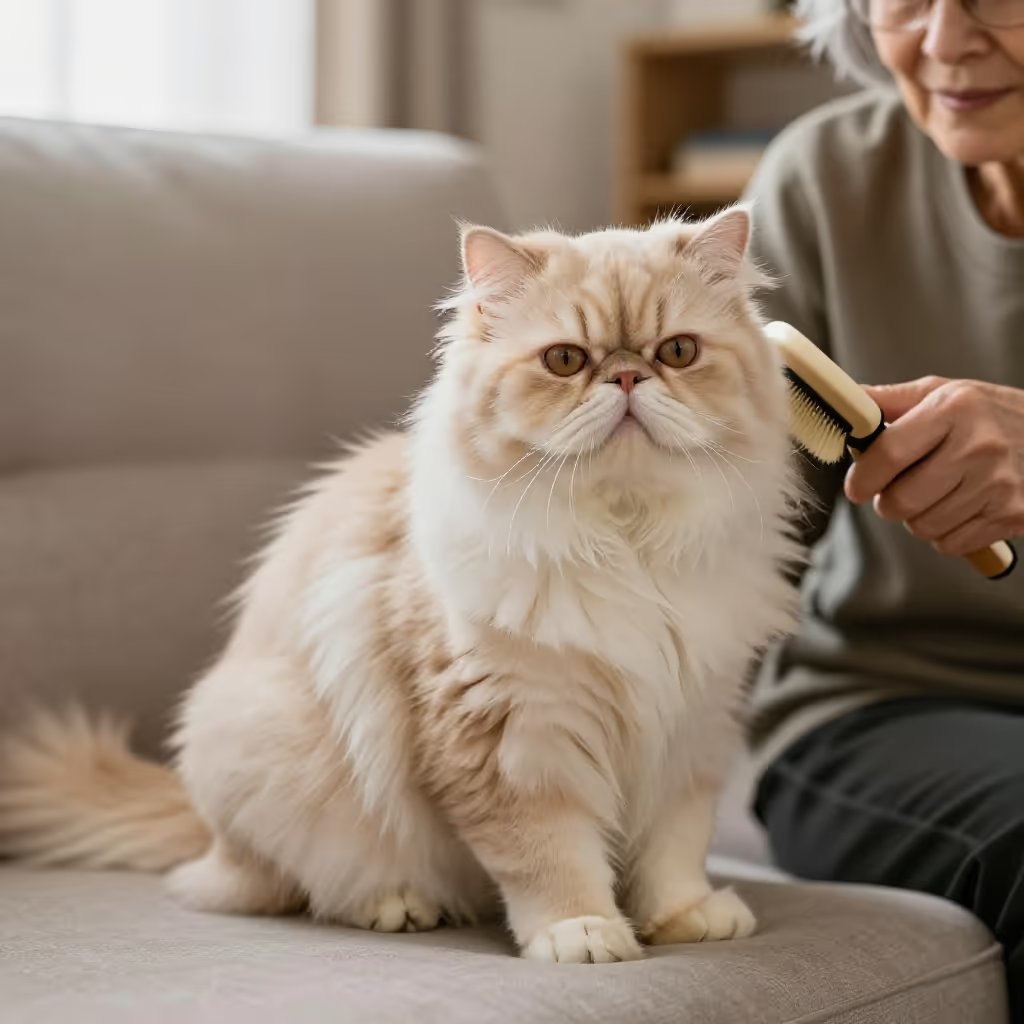
Persian cat
Short form for a Persian cat, a domestic cat breed known for its long, dense fur and flat face.
Ihre weiße Perserkatze muss jeden Tag sorgfältig gebürstet werden.
Her white Persian cat has to be carefully brushed every day.
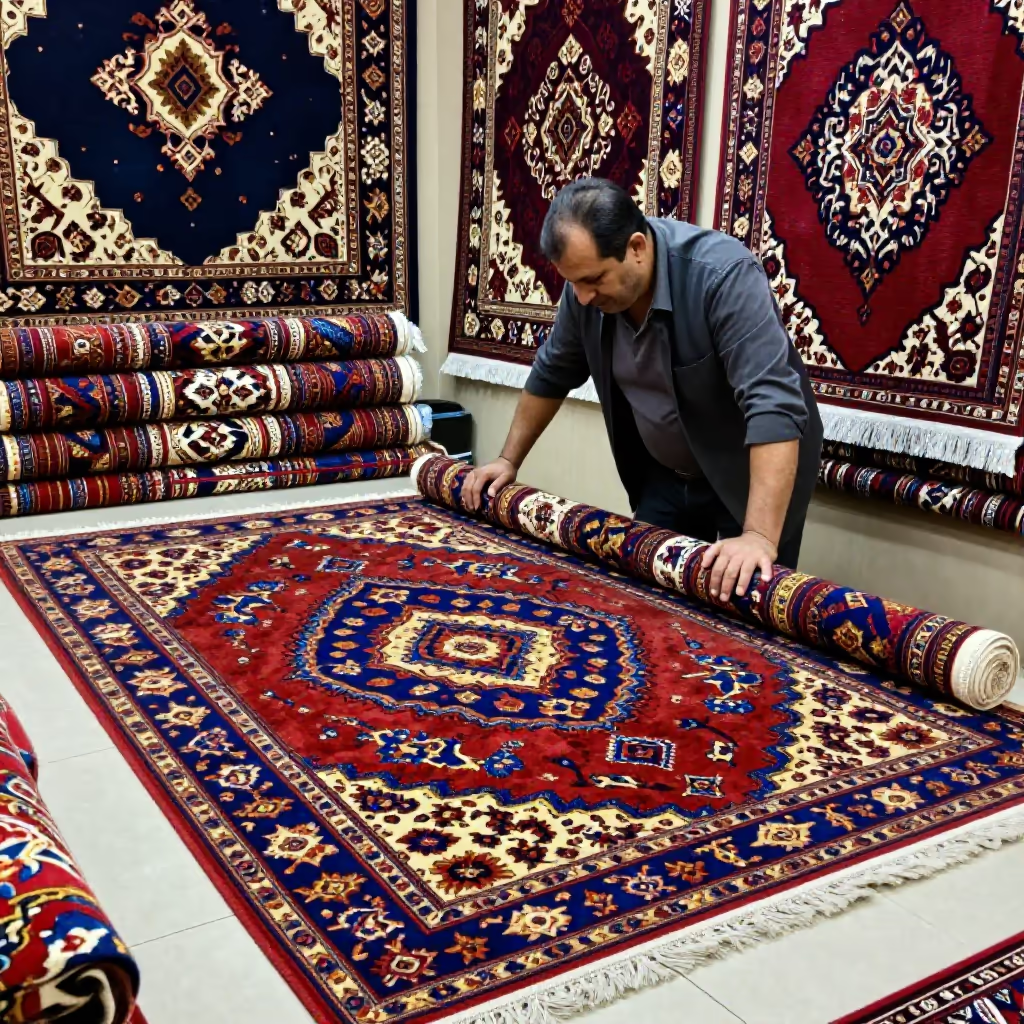
Persian rug
Short form for a Persian rug, a hand-knotted rug from Iran known for its elaborate patterns and high quality.
Im Wohnzimmer liegt ein wertvoller alter Perser, den sie geerbt hat.
There is a valuable old Persian rug in the living room that she inherited.
| gender | masculine der |
|---|---|
| plural | die Perser |
| genitive | des Persers |
| singular | plural | |
|---|---|---|
| nominative | der Perser | die Perser |
| accusative | den Perser | die Perser |
| dative | dem Perser | den Persern |
| genitive | des Persers | der Perser |
The article changes with the case; it is shown in colour.
This word has three common meanings: a person, a cat, or a rug. You can only tell which meaning is intended from the context of the sentence.
Der junge Perser studiert Medizin in Berlin.
The young Persian is studying medicine in Berlin.
Unser Perser schläft am liebsten auf dem Sofa.
Our Persian cat likes sleeping on the sofa best.
Dieser alte Perser ist ein Familienerbstück.
This old Persian rug is a family heirloom.
The ending '-er' is often used to refer to a male inhabitant from a country or city. 'Der Perser' (the Persian) is derived from the historical country name 'Persien' (Persia).
Er ist Perser und spricht fließend Farsi.
He is Persian and speaks fluent Farsi.
When a cat is being discussed, words such as 'Fell' (fur), 'schnurren' (to purr), 'Haare' (hair), or 'Rasse' (breed) indicate that 'Perser' is being used as a short form for 'Perserkatze' (Persian cat).
Der Perser hat ein besonders weiches Fell.
The Persian cat has especially soft fur.
Wir haben zwei Perser zu Hause.
We have two Persian cats at home.
When it is about a rug, words such as 'Boden' (floor), 'liegen' (to lie/be located), 'Muster' (pattern), 'geknüpft' (knotted), or 'wertvoll' (valuable) often appear in the sentence. Here, 'Perser' is the short form for 'Perserteppich' (Persian rug).
Der schwere Perser dämpft die Geräusche im Raum.
The heavy Persian rug muffles the sounds in the room.
Sie hat auf dem Markt einen wunderschönen Perser gekauft.
She bought a beautiful Persian rug at the market.
Iranian
Iraner refers to a man from present-day Iran or one with Iranian citizenship. Perser can also refer to a resident of present-day Iran, but it often emphasizes Persian ancestry or a historical connection to Persia. Both terms can therefore apply to the same man.

Reza ist Perser, denn seine Familie ist persischer Abstammung.
Reza is Persian because his family is of Persian descent.
Reza ist Iraner, denn er stammt aus dem heutigen Iran.
Reza is Iranian because he comes from present-day Iran.