

der Jäger
hunter
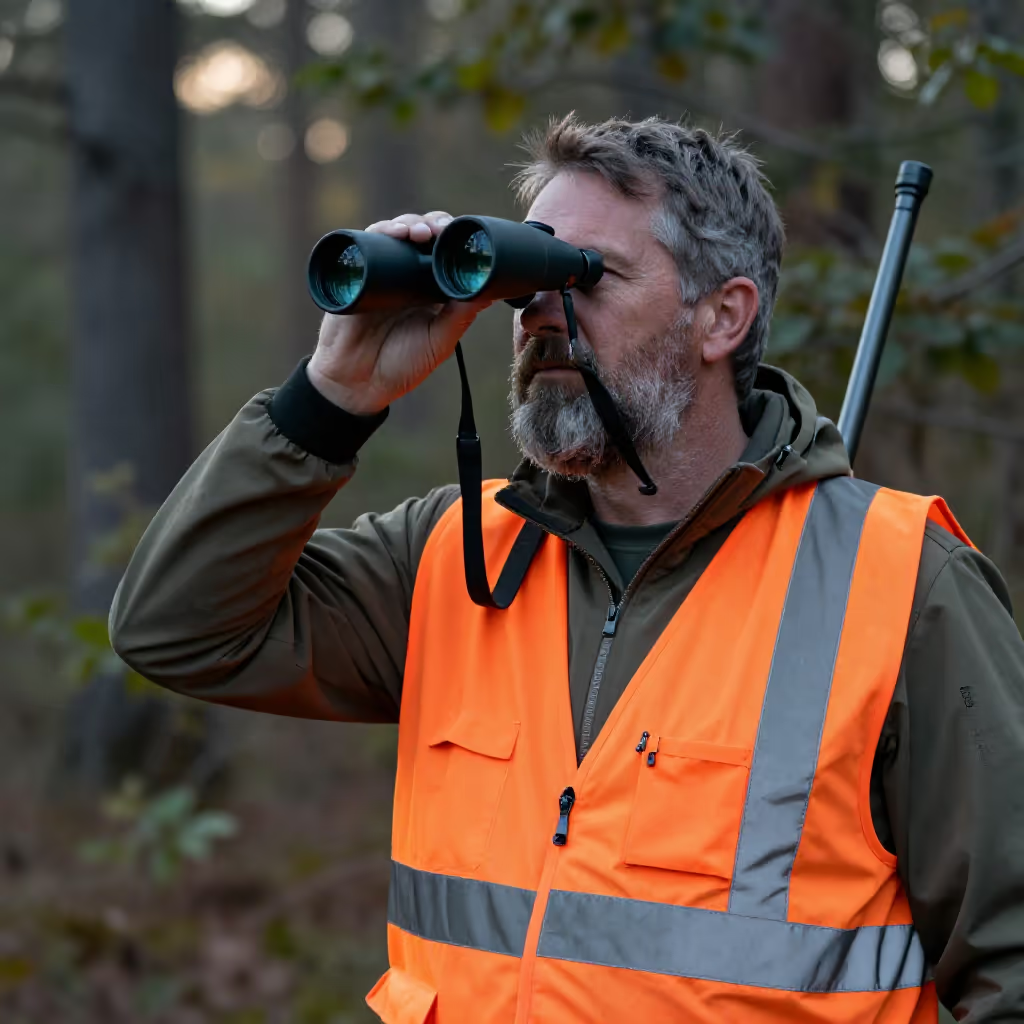
A person who hunts wild animals, whether as a profession, to obtain food, or as a hobby.
EXAMPLE
Der Jäger beobachtete das Reh durch sein Fernglas.
The hunter observed the deer through his binoculars.
hunter / fighter
Loading your saved state.
hunter
A person who hunts wild animals, whether as a profession, to obtain food, or as a hobby.
Der Jäger beobachtete das Reh durch sein Fernglas.
The hunter observed the deer through his binoculars.
fighter jet
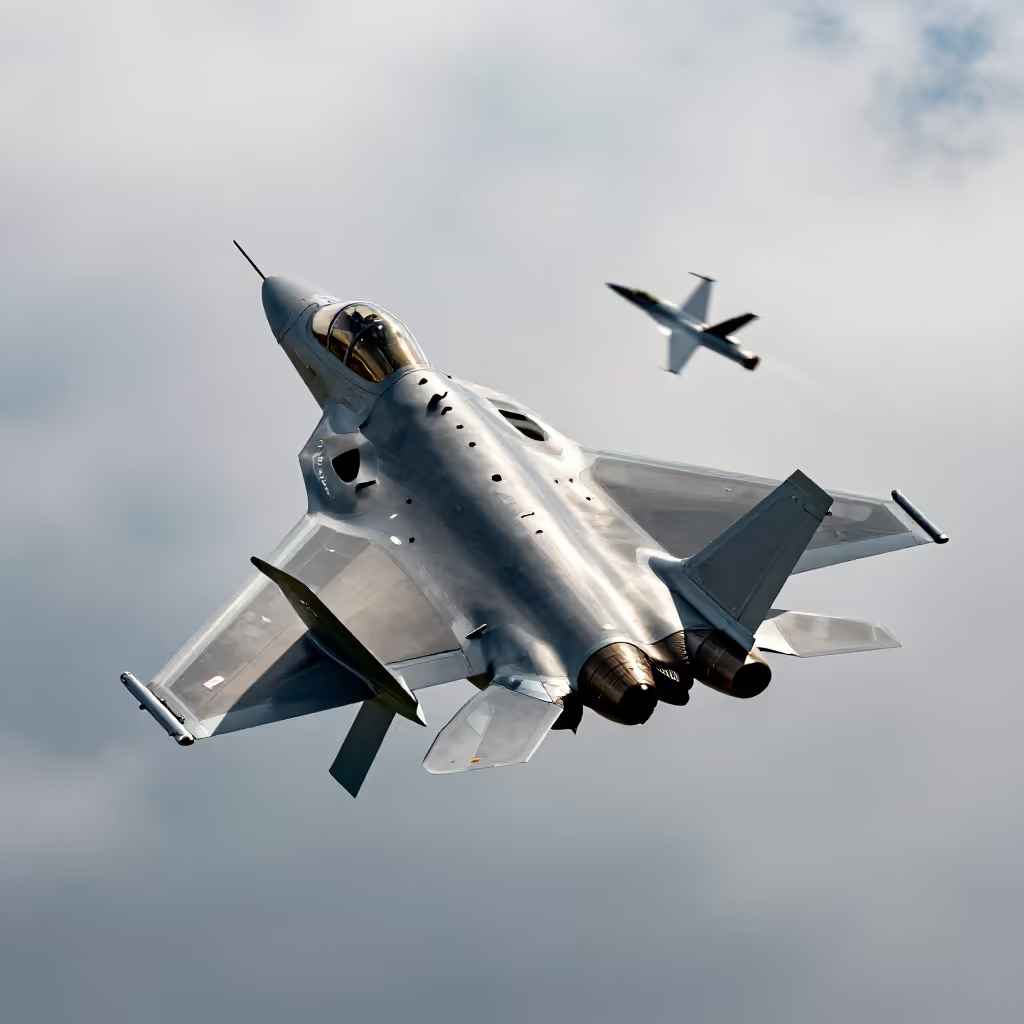
A fast and maneuverable combat aircraft used mainly to fight enemy aircraft.
Zur Sicherung des Luftraums stiegen zwei Jäger der Luftwaffe auf.
Two air force fighter jets took off to secure the airspace.
chaser
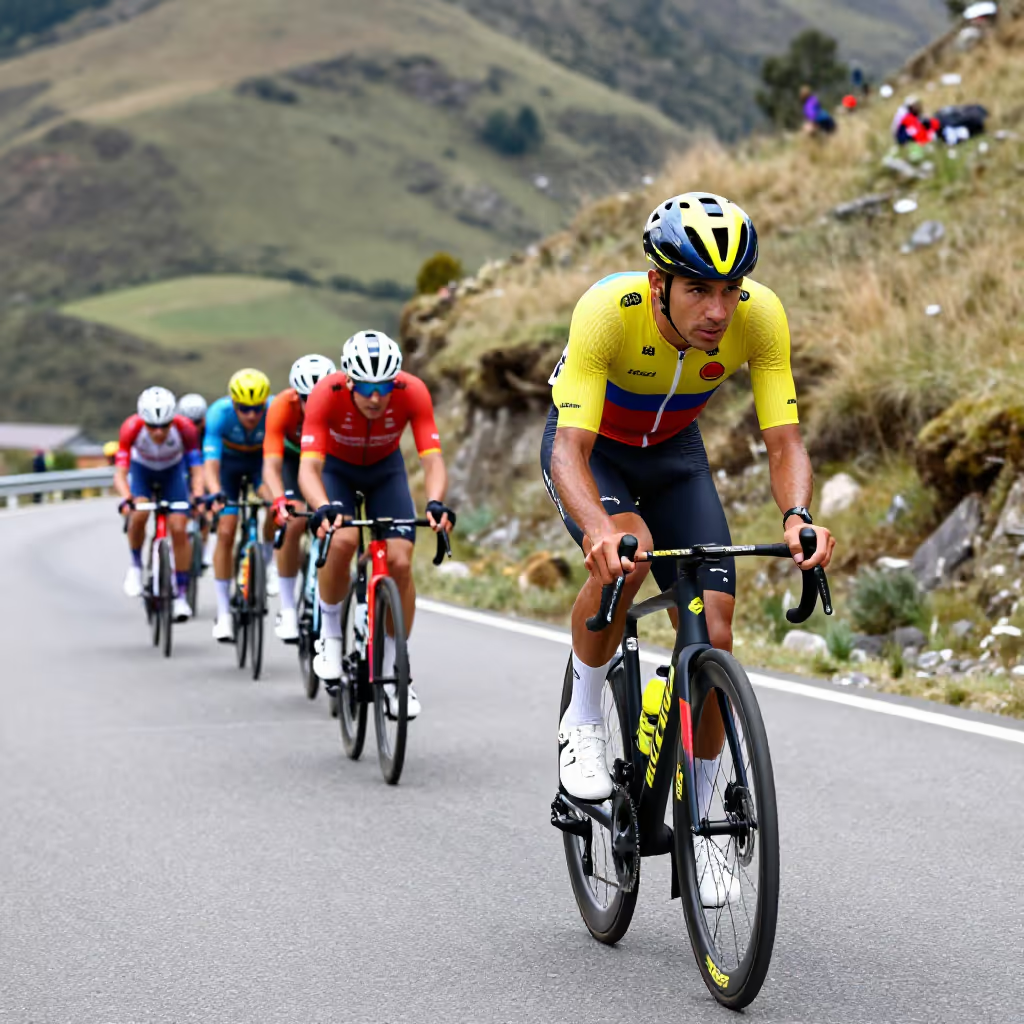
In sports, a person or team that tries to catch up with the leader.
Beim Radrennen schloss die Gruppe der Jäger langsam zum Spitzenreiter auf.
In the cycling race, the group of chasers slowly caught up with the leader.
The noun 'Jäger' (hunter) comes from the verb 'jagen' (to hunt/chase). The ending '-er' turns it into the term for a male person who performs this activity.
Wer Tiere jagt, ist ein Jäger.
Someone who hunts animals is a hunter.
The meaning of 'Jäger' is clarified by context. Words like 'Wald' (forest) or 'Tier' (animal) point to the hunter (person), 'Luftwaffe' (air force) to the aircraft, and 'Rennen' (race) to the athlete.
Der Jäger verfolgte die Spuren des Wildschweins im Schnee.
The hunter followed the wild boar's tracks in the snow.
The word is part of the name of a well-known German dish: 'Jägerschnitzel'. This is a schnitzel with a mushroom sauce that evokes the forest and hunting.
Im Restaurant bestelle ich oft Jägerschnitzel mit Pommes.
At the restaurant, I often order Jägerschnitzel with fries.