

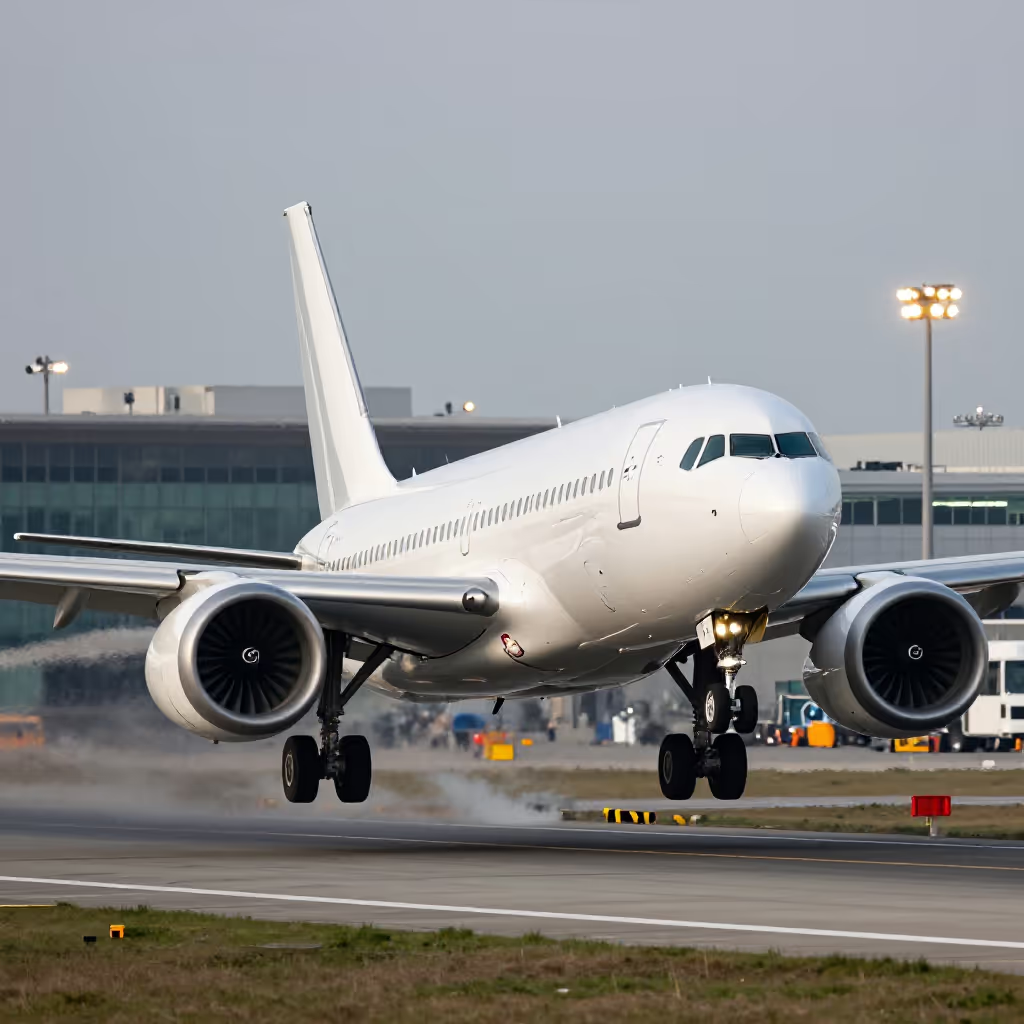
der Jet
jet
An airplane powered by one or more jet engines. Jets are usually faster than propeller aircraft.
EXAMPLE
Der Privatjet landete pünktlich in Nizza.
The private jet landed on time in Nice.
jet
Loading your saved state.
jet
An airplane powered by one or more jet engines. Jets are usually faster than propeller aircraft.
Der Privatjet landete pünktlich in Nizza.
The private jet landed on time in Nice.
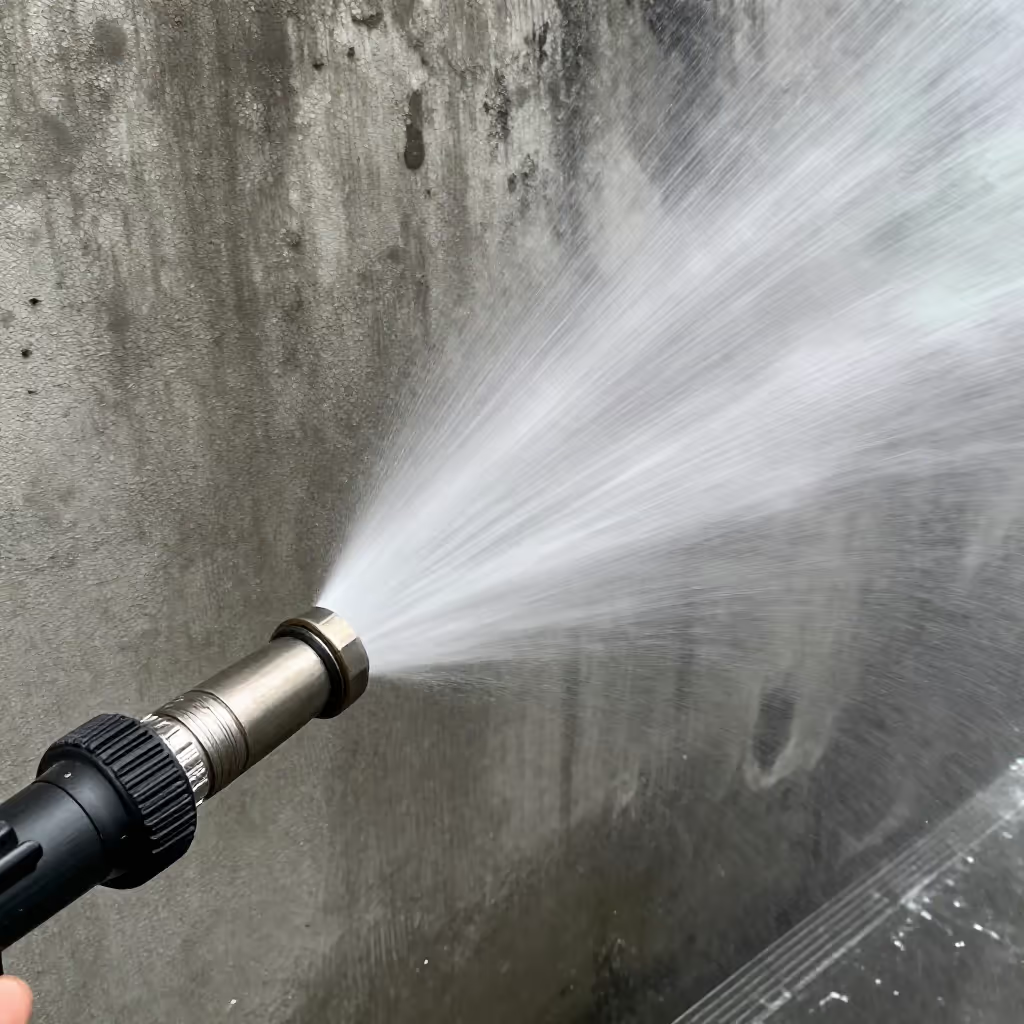
jet
A strong, directed stream of liquid or gas that comes out of a nozzle.
Ein starker Wasser-Jet löste den hartnäckigen Schmutz.
A powerful water jet removed the stubborn dirt.
'Jet' is a word borrowed from English and is therefore also pronounced like English. It has become firmly established in German usage.
Viele Geschäftsleute reisen heute lieber mit dem Jet.
Many businesspeople today prefer to travel by jet.
The word 'Jet' is often the final part of compound nouns that describe a certain type of aircraft. The best-known examples are 'Privatjet' (private jet) and 'Düsenjet' (jet aircraft).
Sie träumt davon, einmal in einem Privatjet zu fliegen.
She dreams of flying in a private jet one day.
You can tell from the context whether an airplane or a stream is meant. Words like 'fliegen' (to fly), 'landen' (to land), or 'Flughafen' (airport) point to the airplane, while 'Wasser' (water), 'Druck' (pressure), or 'Düse' (nozzle) point to the stream.
Der Jet landete sicher auf der Piste.
The jet landed safely on the runway.