

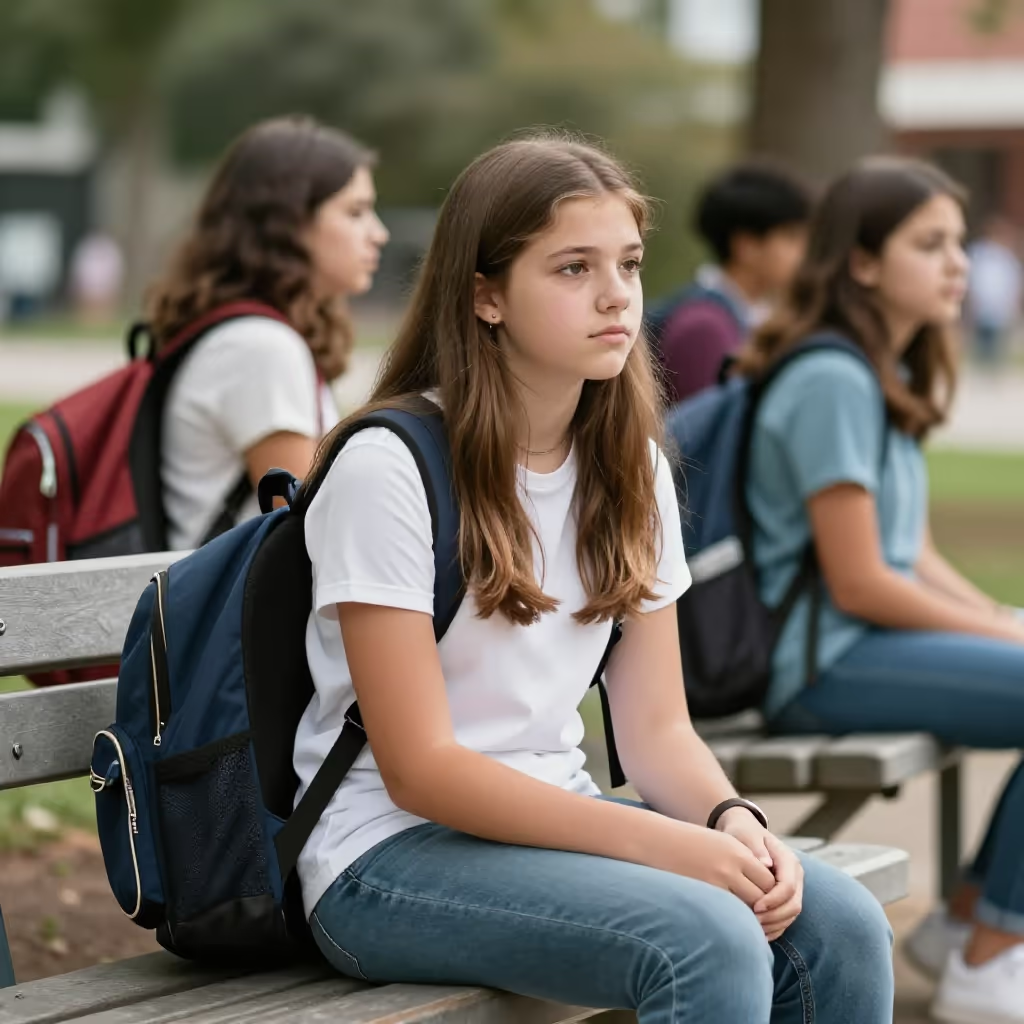
die Jugend
youth
The stage of life between childhood and adulthood.
EXAMPLE
In seiner Jugend war er ein leidenschaftlicher Musiker.
In his youth, he was a passionate musician.
youth
Loading your saved state.
youth
The stage of life between childhood and adulthood.
In seiner Jugend war er ein leidenschaftlicher Musiker.
In his youth, he was a passionate musician.

youth
Young people considered as a social group.
Die Politik muss mehr auf die Bedürfnisse der Jugend eingehen.
Politics needs to pay more attention to the needs of young people.
'Die Jugend' is the noun related to the adjective 'jung' (young). It describes the state or time in which someone is young.
Als er jung war, hatte er viele Träume.
When he was young, he had many dreams.
'Jugend' can mean a stage of life or a group of people. When it is used with a possessive pronoun, as in 'in meiner Jugend' (in my youth), it means the stage of life. When people speak generally of 'der Jugend' (the youth / young people), they often mean young people as a group.
In seiner Jugend reiste er durch die ganze Welt.
In his youth, he traveled all over the world.
To talk about your own past or another person's past, the phrase 'in meiner/deiner/seiner Jugend' (in my/your/his youth) is used very often.
Meine Großmutter erzählt oft Geschichten aus ihrer Jugend.
My grandmother often tells stories from her youth.
offspring / young talent
In sports, Jugend primarily refers to the young members as an age group. Nachwuchs refers to young talents who are being trained and are expected to take on important roles later. When age is the main focus, Jugend is the right choice; when supporting the next generation of high-performing athletes, Nachwuchs is more appropriate.
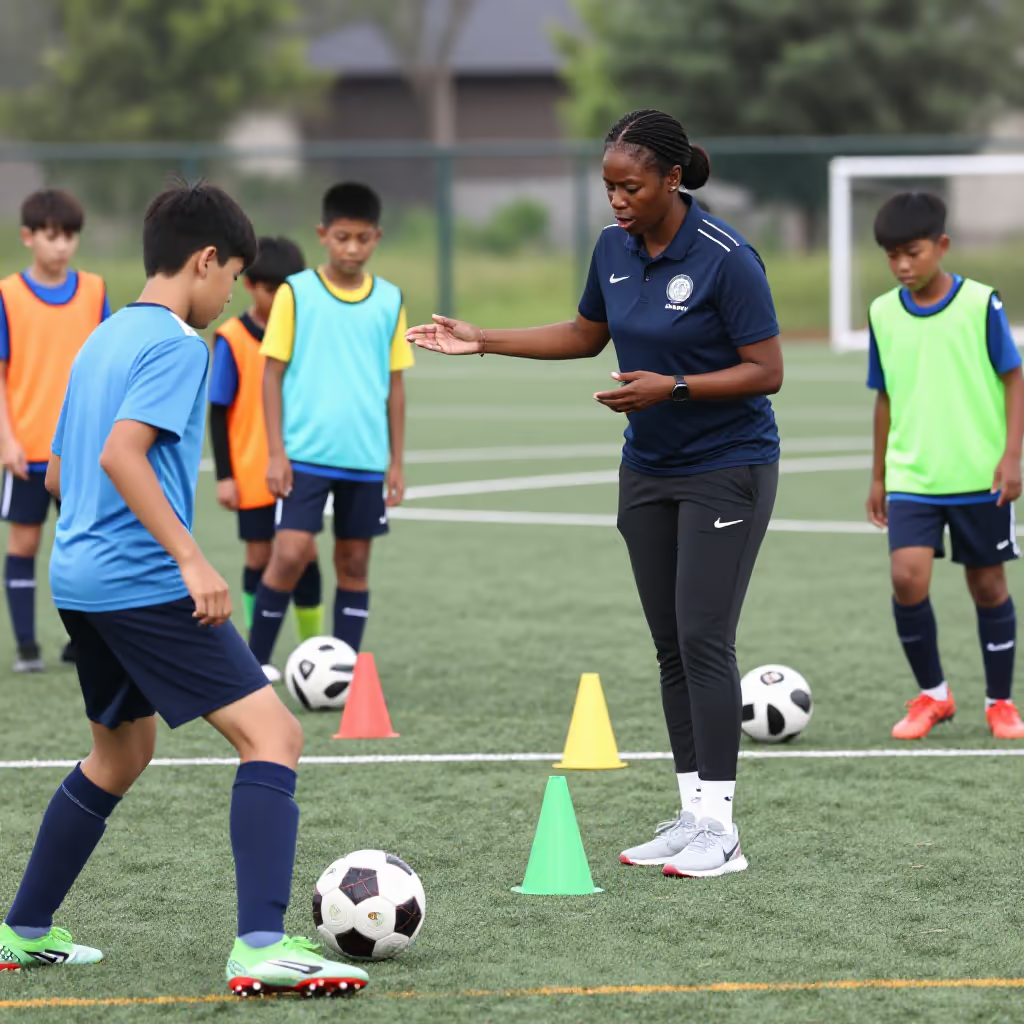
Die Jugend des Vereins trainiert jeden Mittwoch gemeinsam.
The club's youth team trains together every Wednesday.
Der Nachwuchs des Vereins trainiert für den späteren Einsatz in der ersten Mannschaft.
The club's young talent trains for a future role in the first team.