

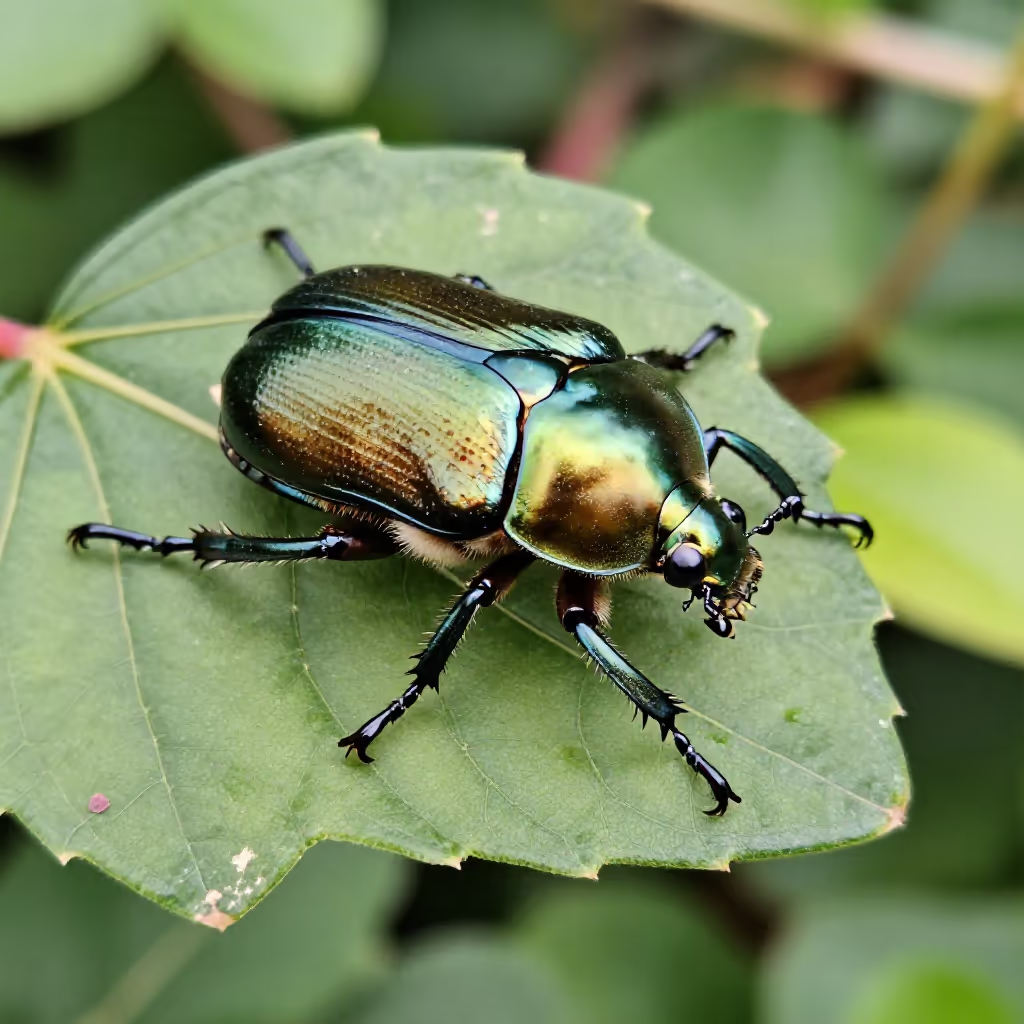
der Käfer
beetle
An insect with hard wing cases that belongs to the largest order of insects. There are many different species of beetles.
EXAMPLE
Ein Marienkäfer krabbelte auf dem Blatt.
A ladybug crawled on the leaf.
beetle
Loading your saved state.
beetle
An insect with hard wing cases that belongs to the largest order of insects. There are many different species of beetles.
Ein Marienkäfer krabbelte auf dem Blatt.
A ladybug crawled on the leaf.
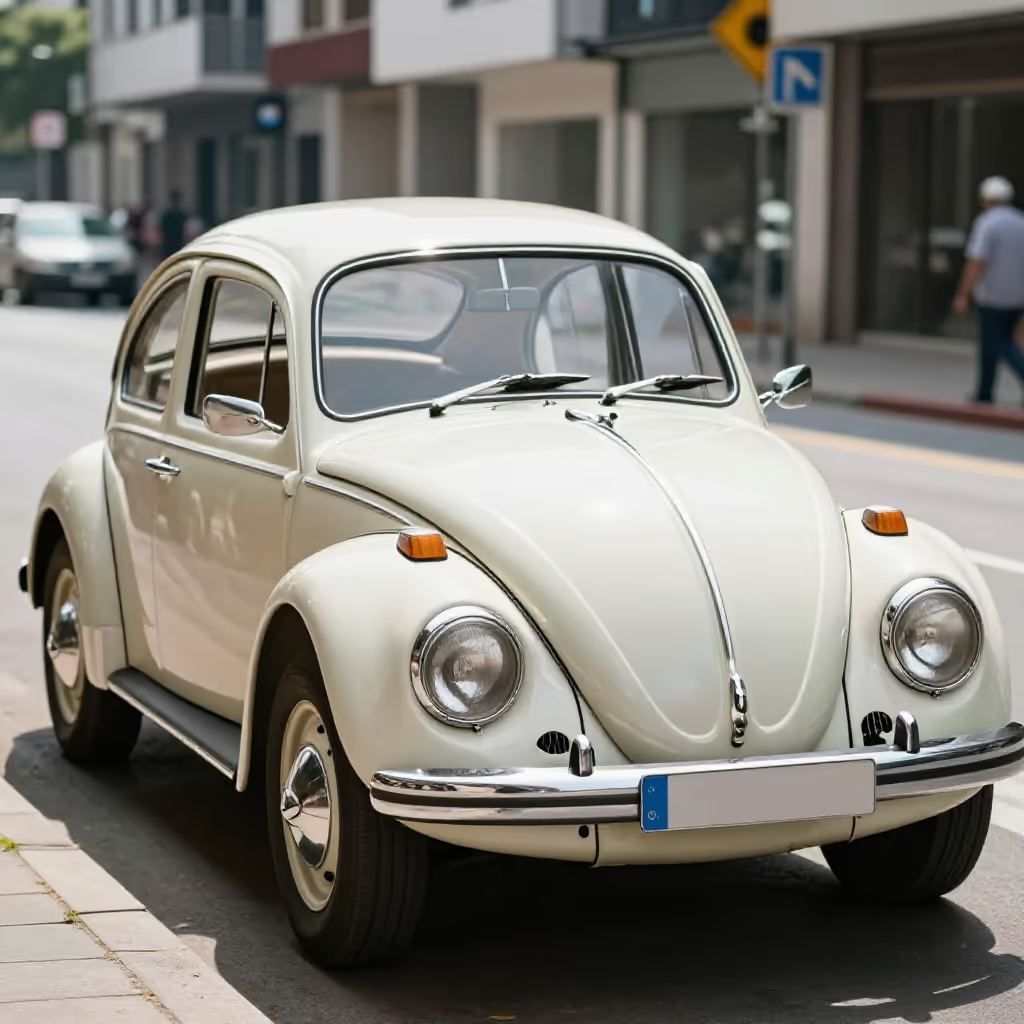
Beetle
A colloquial name for a very well-known car model by Volkswagen (VW), which was produced from 1938 to 2003.
Mein Großvater fuhr früher einen alten VW Käfer.
My grandfather used to drive an old VW Beetle.
You can tell from the context whether the insect or the car is meant. Words like 'krabbeln' (to crawl), 'fliegen' (to fly), or 'Insekt' (insect) point to the animal, while 'fahren' (to drive), 'Auto' (car), or 'VW' point to the vehicle.
Auf der Blume sitzt ein schwarzer Käfer.
There is a black beetle sitting on the flower.
To name a specific species of beetle, 'Käfer' (beetle) is often used as the second part of a compound word. The best-known examples are 'der Marienkäfer' (ladybug/ladybird) and 'der Maikäfer' (cockchafer/May beetle).
Im Garten haben wir viele Maikäfer gesehen.
We saw many cockchafers in the garden.
The VW Beetle is more than just a car; it is a symbol of the German economic miracle after the Second World War. For many Germans, it is connected with personal memories and nostalgia.
Mein Opa erzählt oft von seinem ersten Käfer, den er sich 1965 gekauft hat.
My grandpa often talks about his first Beetle, which he bought in 1965.
When the car is being referred to, the brand is often mentioned: 'VW Käfer' (VW Beetle). Typical verbs are 'einen Käfer fahren' (to drive a Beetle) or 'sich einen Käfer kaufen' (to buy oneself a Beetle).
Er träumt davon, ein altes Käfer-Cabrio zu restaurieren.
He dreams of restoring an old Beetle convertible.