

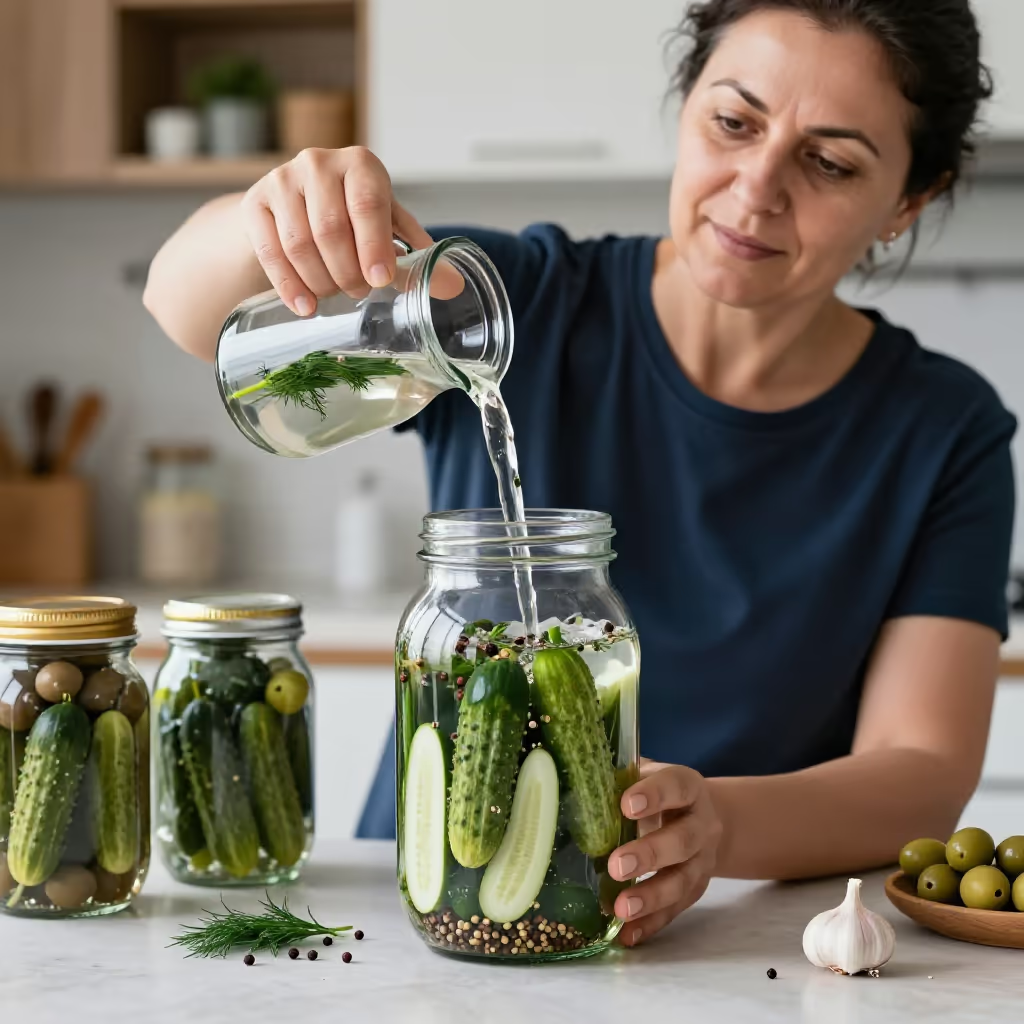
die Lake
brine
A liquid made of water, salt, and often spices, used to preserve foods such as cucumbers, herring, or olives and to give them flavor.
EXAMPLE
Die Oliven schwimmen in einer salzigen Lake.
The olives are floating in a salty brine.
brine / puddle
Loading your saved state.
brine
A liquid made of water, salt, and often spices, used to preserve foods such as cucumbers, herring, or olives and to give them flavor.
Die Oliven schwimmen in einer salzigen Lake.
The olives are floating in a salty brine.
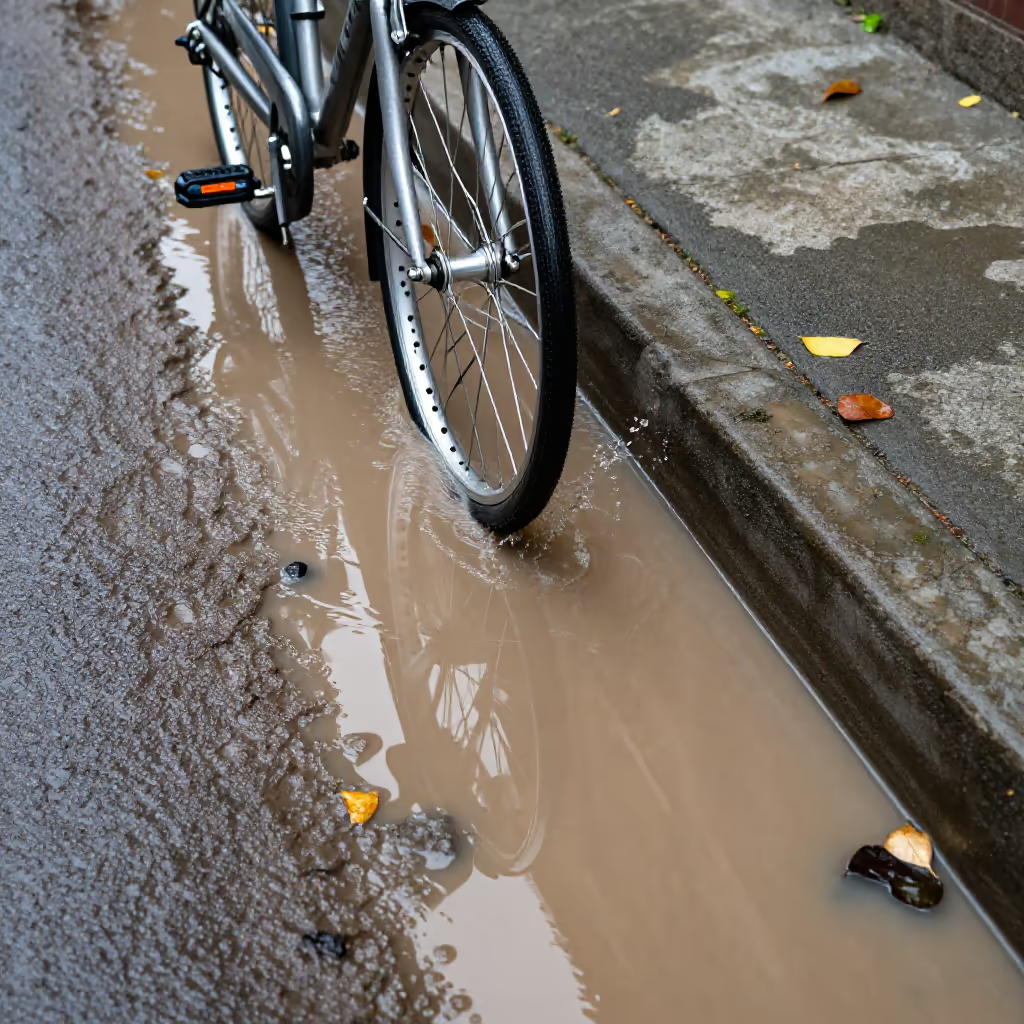
puddle
Regional or colloquial term for a puddle or an accumulation of mostly dirty liquid.
Nach dem starken Regen stand eine große Lake auf der Straße.
After the heavy rain, there was a large puddle on the road.
'Die Lake' is not a large lake. The English word 'lake' means 'der See' in German. 'Die Lake' (brine) is a salt solution used to preserve food.
Die Gurken müssen zwei Wochen in der Lake ziehen.
The cucumbers need to soak in the brine for two weeks.
You can easily recognize the meaning from the topic. If it is about cooking, food, or preserving, it means the salt solution. If it is about weather, roads, or dirt, it means the puddle.
Die Heringe liegen in einer gewürzten Lake.
The herring are lying in a seasoned brine.
In the context of food, 'Lake' (brine) is often used with the verb 'einlegen' (to pickle/preserve). Vegetables or fish are placed in brine to preserve them.
Für Feta wird der Käse in eine salzige Lake eingelegt.
For feta, the cheese is placed in a salty brine.
The meaning 'Pfütze' (puddle) for 'Lake' is not standard German, but is used only in certain regions and colloquially. It usually describes a larger, dirty accumulation of water.
Pass auf, da ist eine riesige Lake auf dem Parkplatz!
Watch out, there’s a huge puddle in the parking lot!
brine
Both words can refer to a salty liquid used to preserve food. „Lake“ is the usual term and may also contain spices, while „Sole“ emphasizes the high salt concentration and is also used outside this context. For pickled foods, „Lake“ is usually the appropriate word.
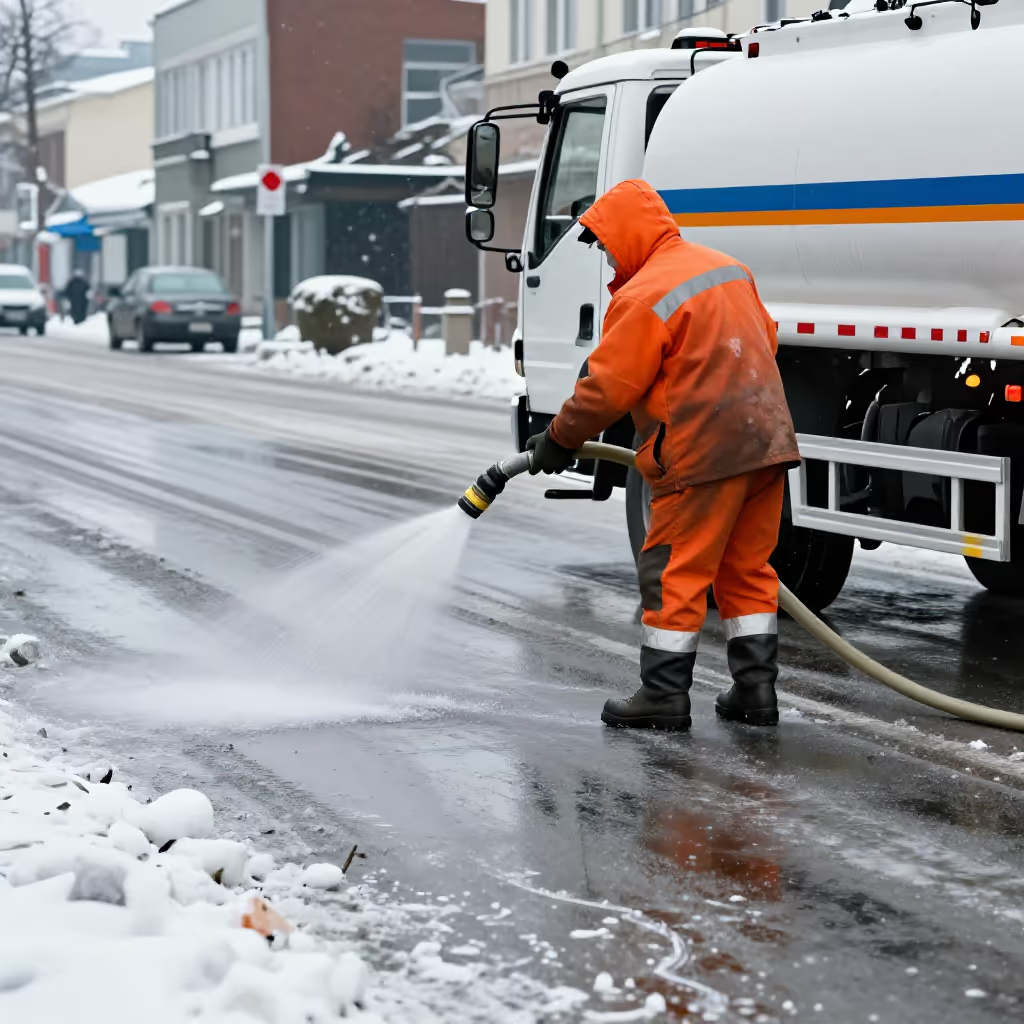
Für die Gurken verwendete sie eine würzige Lake.
She used a spiced brine for the pickles.
Für die Konservierung wurde eine hochkonzentrierte Sole angesetzt.
A highly concentrated brine was prepared for preservation.