

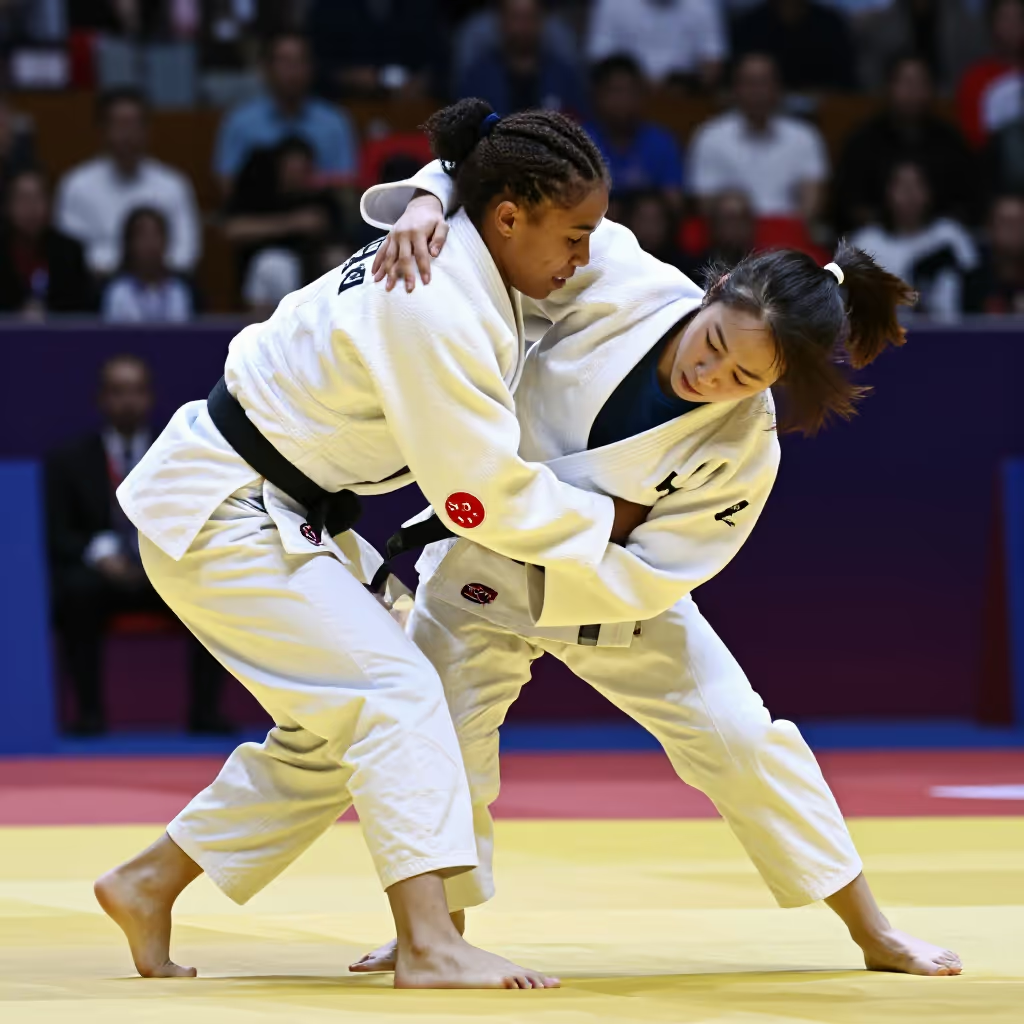
Describes the state of actively being in a fight, confrontation, or competition. It can refer both to a physical fight and to a figurative struggle, for example for a goal.
example
Die um den Sieg kämpfende Mannschaft gab auch in den letzten Minuten nicht auf.
The team fighting for victory did not give up, even in the final minutes.

Usage tips
Word form
'Kämpfend' (fighting) is the present participle of the verb 'kämpfen' (to fight). It is used like an adjective to describe a person or thing that is currently fighting.
EXAMPLE
Der um sein Leben kämpfende Patient wurde auf die Intensivstation verlegt.
The patient fighting for his life was moved to the intensive care unit.
Use as an adjective
When 'kämpfend' (fighting) comes before a noun, it is declined like any other adjective and takes an ending.
EXAMPLE
Wir sahen zwei kämpfende Hirsche im Wald.
We saw two fighting deer in the forest.
Figurative use
In a figurative sense, 'kämpfend' (fighting) is often combined with prepositions such as 'für' (for), 'gegen' (against), or 'um' (for) to name the goal of the struggle.
EXAMPLE
Die für den Umweltschutz kämpfenden Aktivisten organisierten eine Demonstration.
The activists fighting for environmental protection organized a demonstration.
Compare with
antonym
kämpfend vs friedlich
peaceful
'friedlich' and 'kämpfend' form a contrast when it comes to conflict, violence, or confrontation. 'friedlich' describes people, animals, or situations without attack and without conflict. 'kämpfend' describes someone or something that is currently actively in a fight or confrontation. This can be a real physical fight, but also a struggle for a goal. 'friedlich' emphasizes calm and harmony, while 'kämpfend' emphasizes active resistance or conflict.
kämpfend
Die kämpfenden Spieler gaben bis zur letzten Minute nicht auf.
The fighting players did not give up until the final minute.
friedlich
Der Hund ist sehr friedlich und spielt gern mit den Kindern.
The dog is very peaceful and likes playing with the children.