

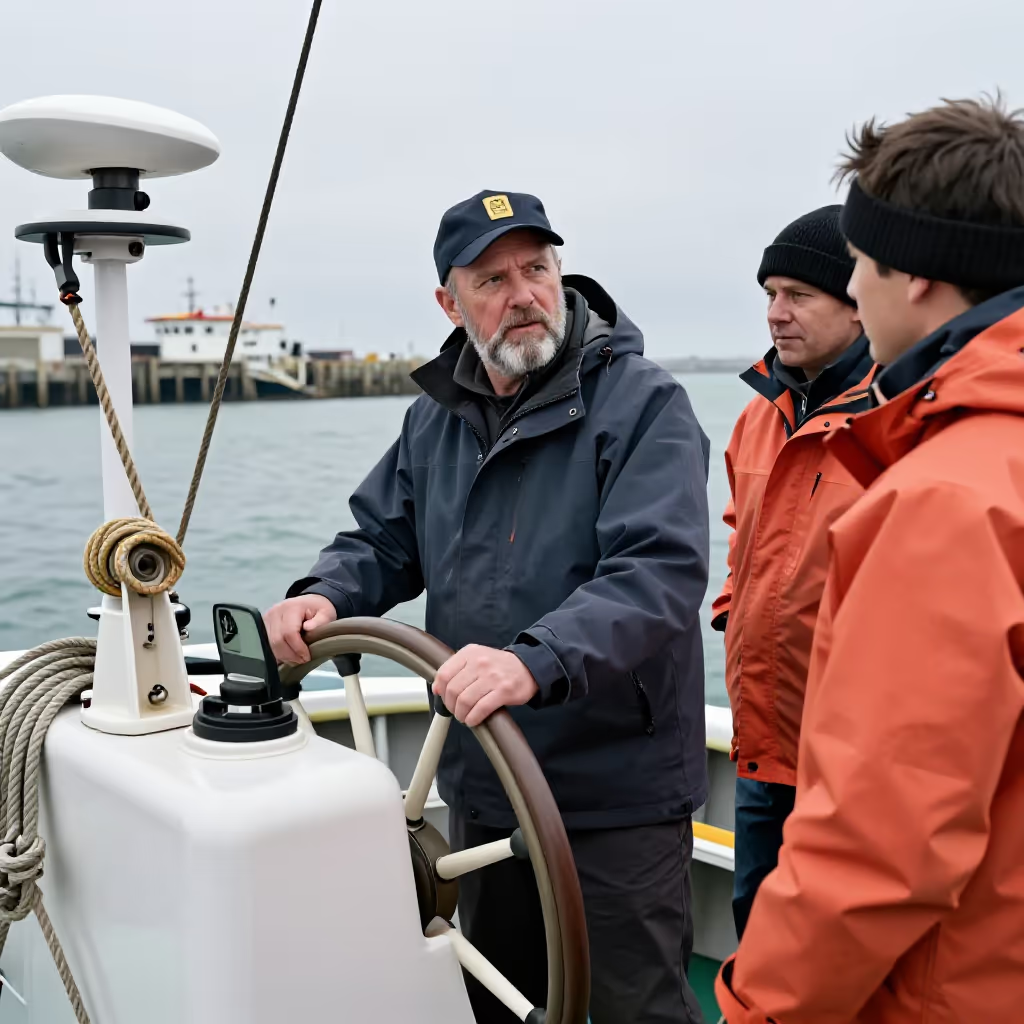
der Käpt'n
cap'n
A colloquial and shortened form of captain, especially for the leader of a ship.
EXAMPLE
Der Käpt'n gab den Befehl, die Segel zu setzen.
The cap'n gave the order to set the sails.
cap'n
Loading your saved state.
cap'n
A colloquial and shortened form of captain, especially for the leader of a ship.
Der Käpt'n gab den Befehl, die Segel zu setzen.
The cap'n gave the order to set the sails.
'Käpt'n' is the colloquial short form of 'Kapitän' (captain). The apostrophe (') shows that letters have been left out. This form is used mainly in spoken language or in informal texts.
„Aye, aye, Käpt'n!“, rief der Matrose.
'Aye, aye, cap'n!' shouted the sailor.
The word is used almost exclusively in the context of seafaring. It often creates an atmosphere of adventure, pirates, or old sailing ships, as you might know from films and books.
Der alte Käpt'n erzählte Geschichten von seinen Reisen auf hoher See.
The old cap'n told stories of his voyages on the high seas.
'Käpt'n' is often used as a direct form of address for the leader of a ship, similar to saying 'Captain' in English.
Käpt'n, wir haben Land in Sicht!
Cap'n, we have land in sight!
skipper
Skipper and Käpt'n can both refer to the person in command on board. Skipper is especially common for recreational boats, sailboats, and yachts. Käpt'n is a colloquial shortened form of Kapitän and generally fits the leader of a ship.

Auf dem großen Ausflugsschiff übernimmt der Käpt'n das Kommando.
The cap'n takes command on the large excursion boat.
Auf der kleinen Segelyacht übernimmt Jonas als Skipper das Kommando.
Jonas takes command as skipper of the small sailing yacht.