


das Kilo
kilo
The colloquial short form of kilogram, a unit of measurement for mass equal to 1000 grams.
EXAMPLE
Ich hätte gerne ein Kilo Kartoffeln, bitte.
I'd like a kilo of potatoes, please.
kilo
Loading your saved state.
kilo
The colloquial short form of kilogram, a unit of measurement for mass equal to 1000 grams.
Ich hätte gerne ein Kilo Kartoffeln, bitte.
I'd like a kilo of potatoes, please.
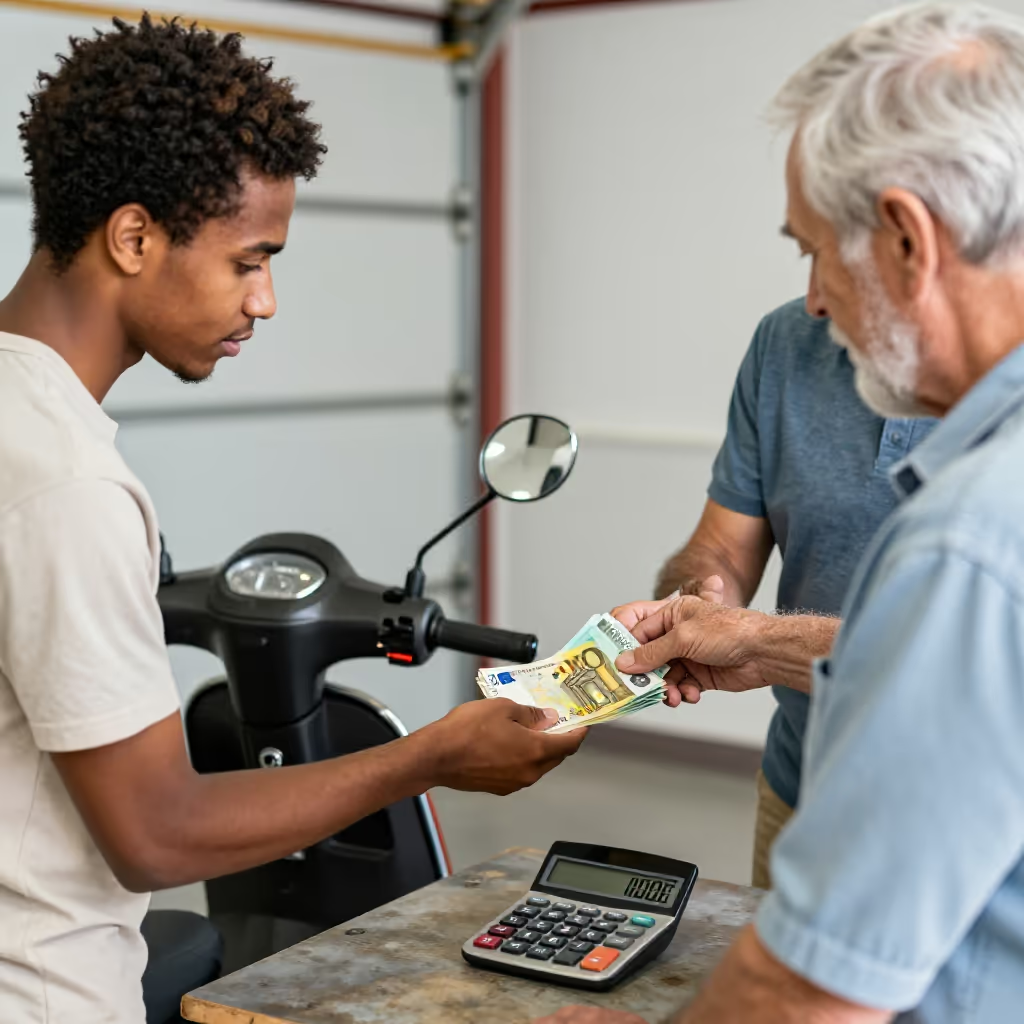
grand
In jargon, a colloquial term for one thousand units of a currency, especially euros.
Sein neues Auto hat angeblich 30 Kilo gekostet.
His new car supposedly cost 30 grand.
'Kilo' is the common short form of 'Kilogramm' (kilogram). The word element 'Kilo-' comes from Greek and means 'thousand', so one thousand grams.
Ein Kilo entspricht eintausend Gramm.
One kilo is equal to one thousand grams.
When 'Kilo' is used as a unit of measurement with a number greater than one, it usually stays singular in German. You say 'zwei Kilo Äpfel' (two kilos of apples), not 'zwei Kilos Äpfel'.
Für das Rezept brauche ich drei Kilo Mehl.
For the recipe, I need three kilos of flour.
The meaning 'one thousand euros' is pure jargon and very colloquial. Use this expression only when you are sure the person you are talking to understands it, since it is not generally known.
Er hat für die Uhr angeblich zwei Kilo bezahlt.
He supposedly paid two grand for the watch.
kg
Kg and Kilo refer to the same unit of mass here. Kg is the written abbreviation for Kilogramm (kilogram), while Kilo is the common colloquial short form. Kg is therefore appropriate on forms, while Kilo is usually used in conversation.
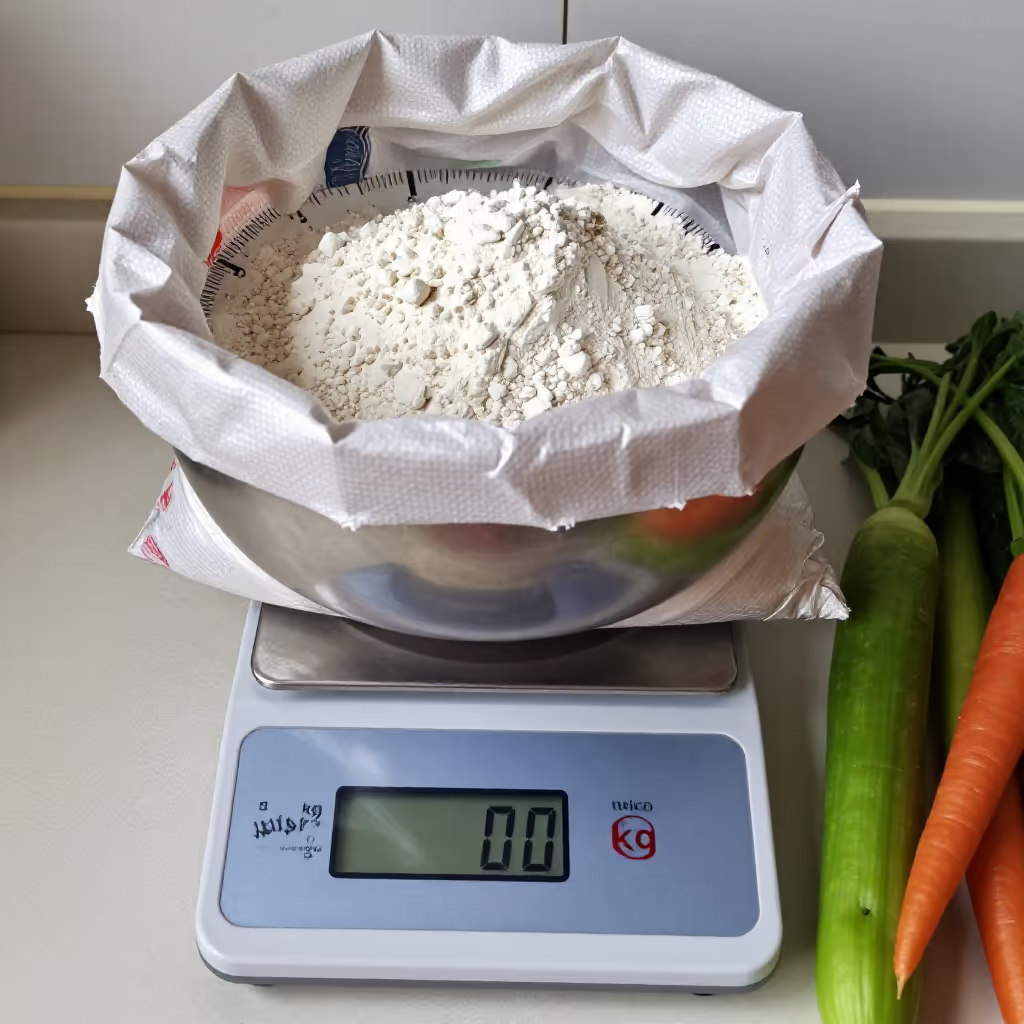
Beim Einkauf bestelle ich fünf Kilo Äpfel.
I order five kilos of apples when I go shopping.
Im Bestellformular steht bei der Einheit „Kg“.
The unit field on the order form says “Kg.”