

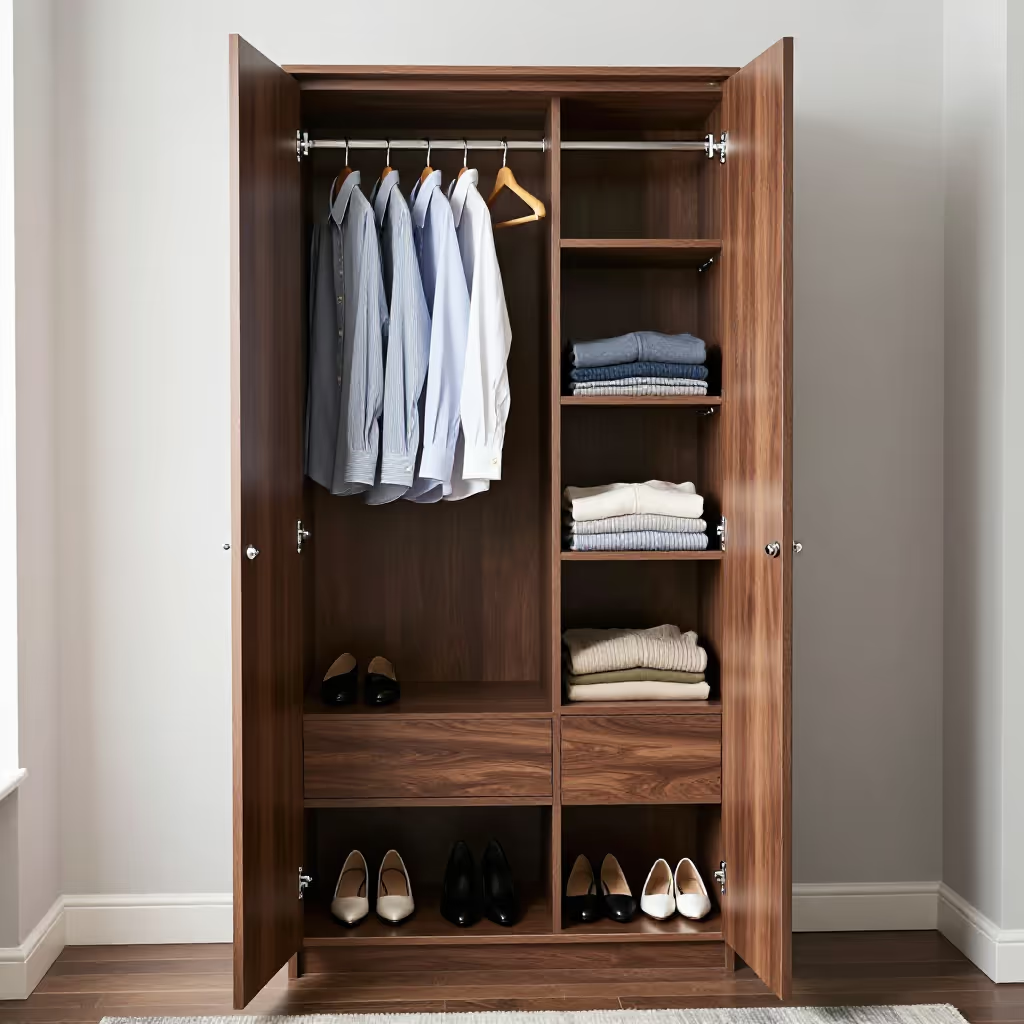
der Kleiderschrank
wardrobe
A tall piece of furniture with doors used for storing clothing.
EXAMPLE
Ich habe meine Winterjacken in den hinteren Teil des Kleiderschranks gehängt.
I hung my winter jackets in the back part of the wardrobe.
wardrobe
Loading your saved state.
wardrobe
A tall piece of furniture with doors used for storing clothing.
Ich habe meine Winterjacken in den hinteren Teil des Kleiderschranks gehängt.
I hung my winter jackets in the back part of the wardrobe.

wardrobe
In a figurative sense, the entire collection of clothing items that a person owns; their wardrobe.
Für die Reise nach Schweden muss ich meinen Kleiderschrank um ein paar warme Pullover ergänzen.
For the trip to Sweden, I need to add a few warm sweaters to my wardrobe.
'Kleiderschrank' (wardrobe) is an easy-to-understand compound word. It consists of 'Kleider' (plural of 'das Kleid' (dress), but here meaning clothing in general) and 'der Schrank' (cabinet/closet). So it is literally a cupboard for clothes.
Alle meine Hemden hängen im Kleiderschrank.
All my shirts are hanging in the wardrobe.
Whether the piece of furniture (m01) or the clothing collection (m02) is meant can often be recognized from the verb. Verbs like 'öffnen' (to open), 'aufbauen' (to assemble), or 'etwas hineinlegen' (to put something inside) refer to the furniture. Verbs like 'ergänzen' (to add to), 'erneuern' (to renew/update), or 'aussortieren' (to sort out) refer to the clothing collection.
Ich muss meinen Kleiderschrank für den Winter um warme Pullover ergänzen.
I need to add warm sweaters to my wardrobe for the winter.
When referring to the piece of furniture, typical verbs are 'einen Kleiderschrank aufbauen' (to assemble a wardrobe), 'etwas in den Kleiderschrank hängen/legen' (to hang/put something in the wardrobe), or 'den Kleiderschrank aufräumen' (to tidy up the wardrobe).
Am Wochenende will ich endlich meinen Kleiderschrank aufräumen.
This weekend I finally want to tidy up my wardrobe.
cloakroom / wardrobe
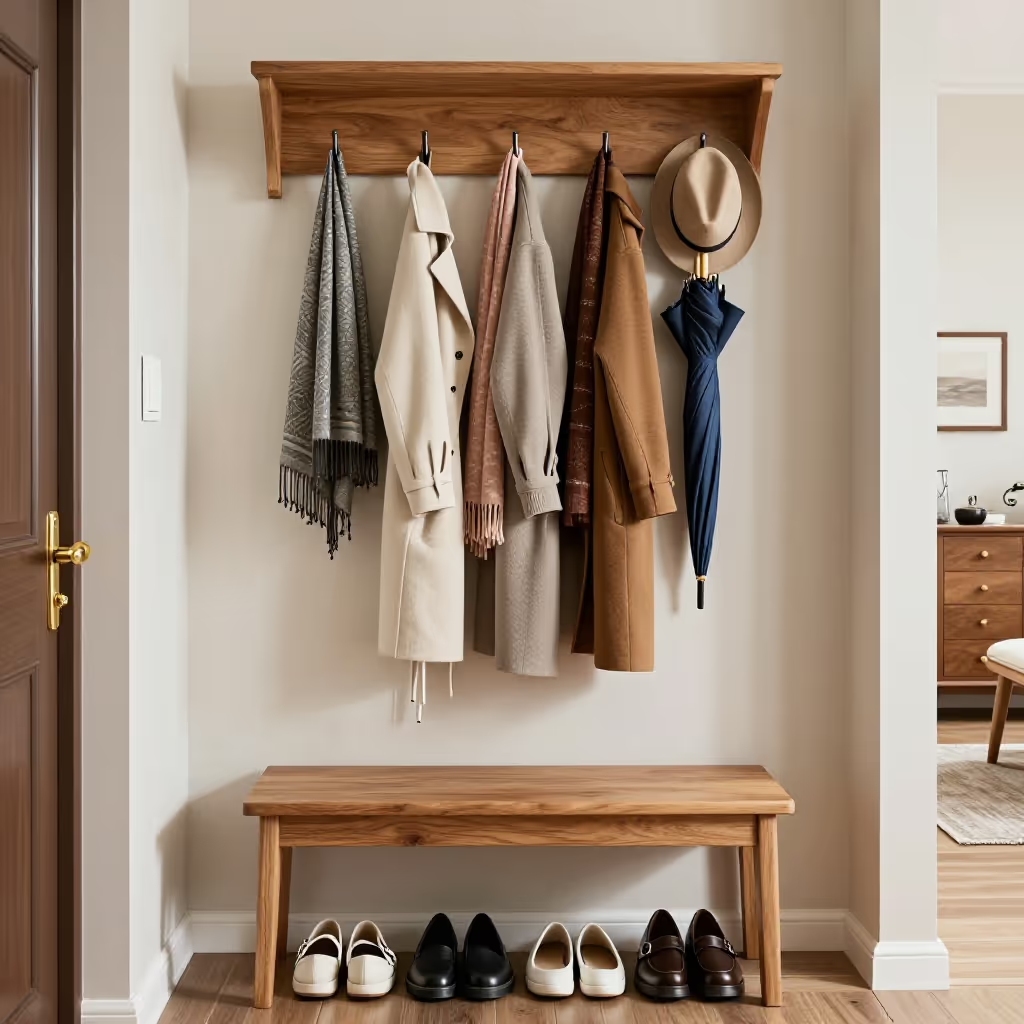
Both words can refer to a piece of furniture for clothing in the home. The Garderobe is usually open and located in the hallway, and is mainly intended for coats and jackets, whereas the Kleiderschrank normally has doors and is used to store clothing in general. Garderobe is more suitable for open hooks; Kleiderschrank is more suitable for an enclosed piece of furniture.
Im Kleiderschrank bewahrt die Familie ihre gefaltete Kleidung und Hemden auf.
The family keeps its folded clothes and shirts in the wardrobe.
An der Garderobe im Flur hängen die Mäntel und Jacken der Familie.
The family's coats and jackets are hanging on the coat rack in the hallway.