

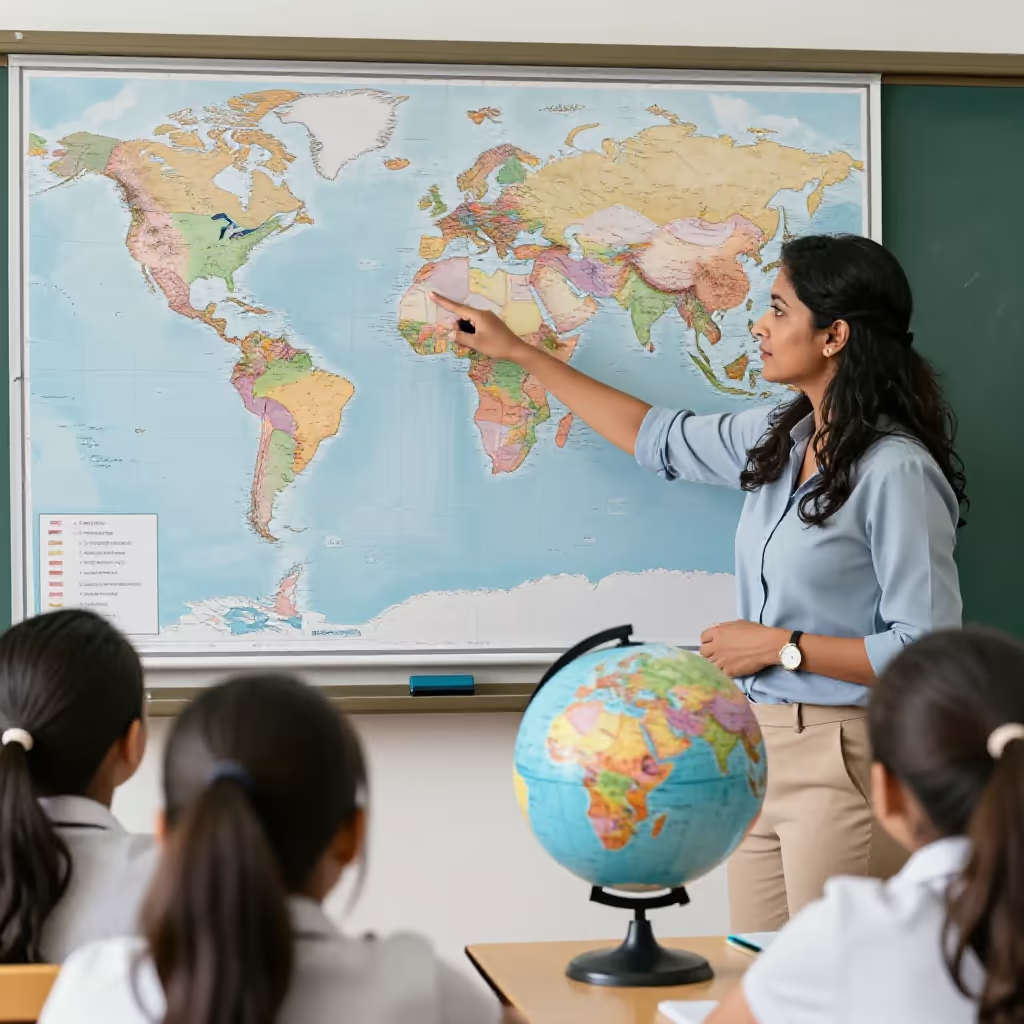
der Kontinent
continent
One of the large, continuous landmasses of the Earth, such as Asia, Africa, or Europe.
EXAMPLE
Australien ist der kleinste Kontinent der Erde.
Australia is the smallest continent on Earth.
continent
Loading your saved state.
continent
One of the large, continuous landmasses of the Earth, such as Asia, Africa, or Europe.
Australien ist der kleinste Kontinent der Erde.
Australia is the smallest continent on Earth.
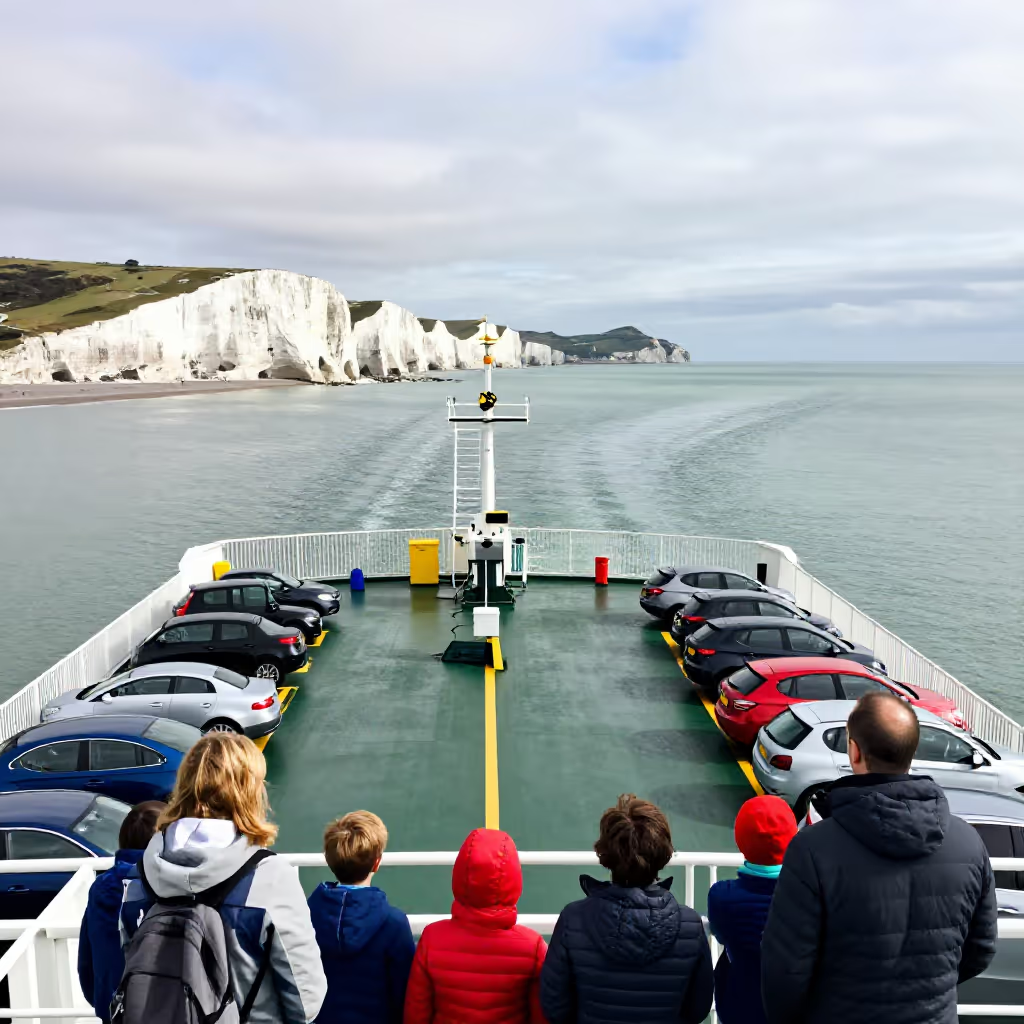
the Continent
Especially from a British perspective, mainland Europe as opposed to the British Isles.
Viele Briten reisen für ihren Urlaub gerne auf den Kontinent.
Many British people like to travel to the Continent for their holidays.
To describe a place on a continent, German uses the preposition 'auf' (on). For movement toward a continent, 'auf' is also used with the accusative.
Pinguine leben auf dem antarktischen Kontinent.
Penguins live on the Antarctic continent.
The word comes from the Latin verb 'continere', which means 'to hold together'. So a 'Kontinent' (continent) is literally a large, continuous landmass.
Afrika ist ein riesiger Kontinent mit vielen verschiedenen Klimazonen.
Africa is a huge continent with many different climate zones.
When 'der Kontinent' (the Continent) is used with the definite article and without naming a specific continent, it often means mainland Europe from a British perspective.
Für die Sommerferien fahren wir mit der Fähre auf den Kontinent.
For the summer holidays, we're taking the ferry to the Continent.