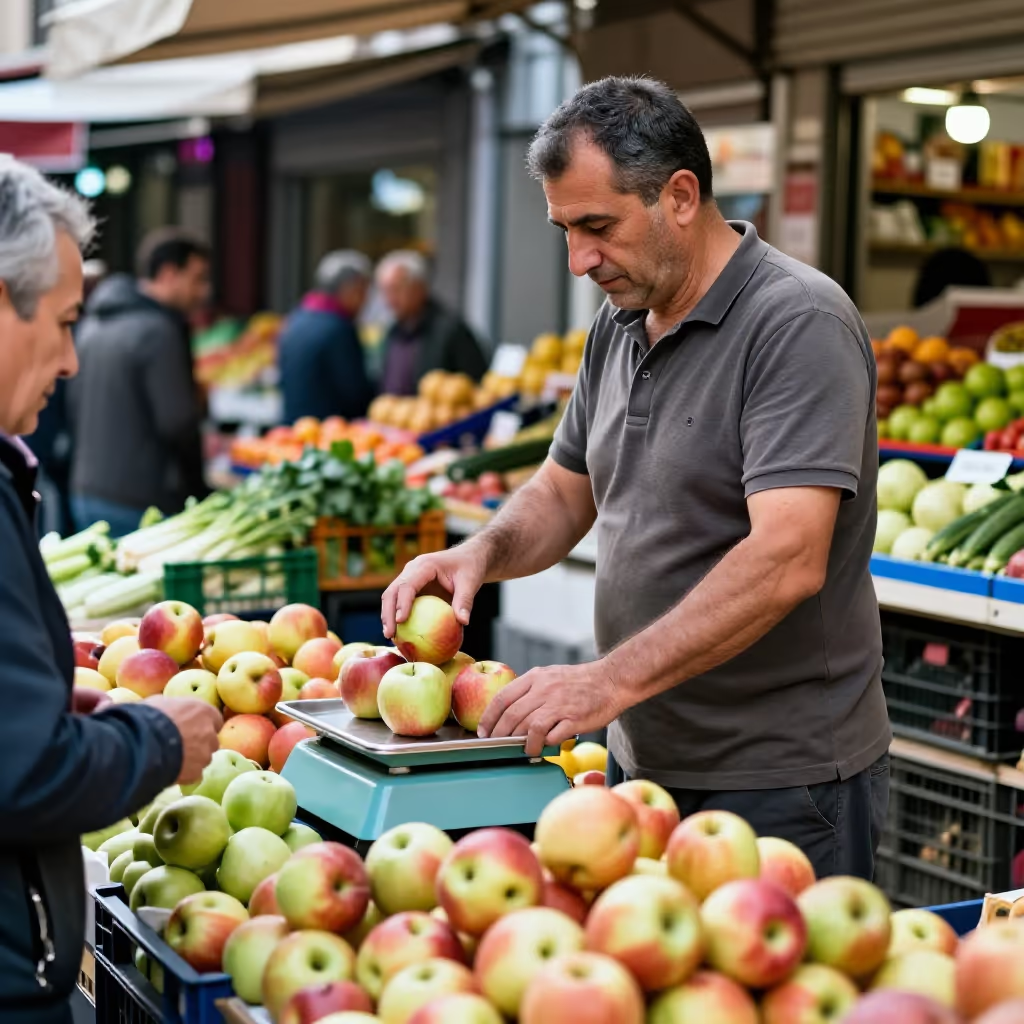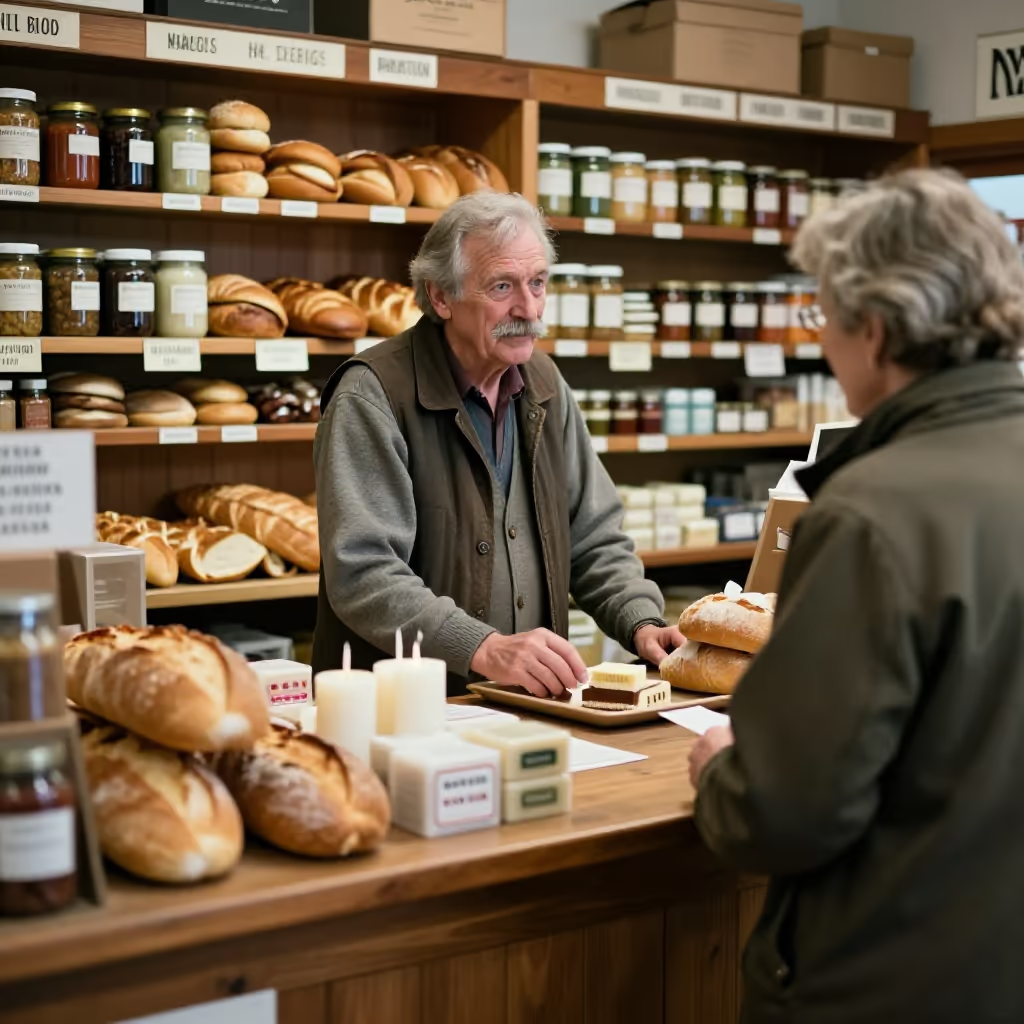
A historical or, today, often derogatory term for a small retailer who sells various everyday goods in his shop.
example
Früher kaufte man Zucker und Mehl noch lose beim Krämer um die Ecke.
In the past, people still bought sugar and flour loose from the grocer around the corner.
Usage tips
Word structure
The word 'Krämer' (grocer) is derived from 'der Kram' (stuff/junk), which is a colloquial term for various small things or odds and ends. A 'Krämer' was originally someone who traded in such goods.
EXAMPLE
Auf dem Dachboden meiner Oma liegt noch eine Menge alter Kram.
There is still a lot of old junk in my grandma's attic.
Context clues
The sentence shows whether the merchant or a character trait is meant. If people are talking about history or old shops, the merchant is meant. If someone's behavior is described as petty, the figurative meaning is meant.
EXAMPLE
Der Krämer wog die Bonbons einzeln ab.
The grocer weighed the candies individually.
Historical term
As a job title, 'Krämer' (grocer) is outdated today. The word is used when talking about small, old-fashioned shops from the past, which were often called 'Krämerladen' (general store).
EXAMPLE
Im Museum wurde ein alter Krämerladen aus dem 19. Jahrhundert nachgebaut.
In the museum, an old 19th-century general store was reconstructed.
Derogatory meaning
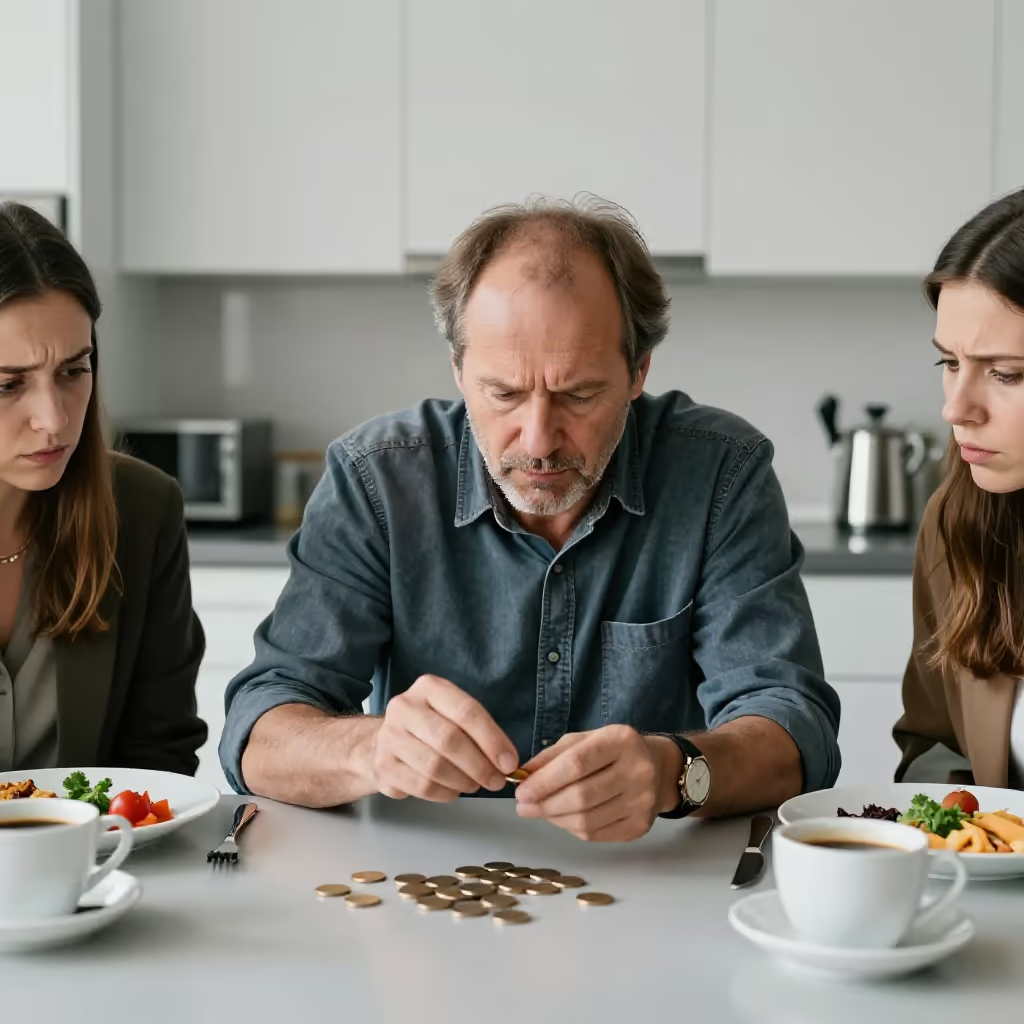
In the figurative sense, 'Krämer' (petty miser) is used as an insult for a petty, stingy, or overly calculating person. The tone is always negative and critical.
EXAMPLE
Er streitet wegen ein paar Cent – was für ein Krämer!
He argues over a few cents—what a petty miser!
Compare with
near_synonym · confusable
Krämer vs Händler
dealer
'Händler' and 'Krämer' can both mean a person who sells goods. 'Händler' is the normal and neutral word. It works for small and large businesses, and also for companies. 'Krämer' sounds old-fashioned today and often negative. It more often means a small shopkeeper who sells many simple everyday items. Learners may confuse the words because both refer to sellers. In modern German, 'Händler' is almost always the safer choice, while 'Krämer' only sounds natural in special or deliberately old-fashioned contexts.
Krämer
Im alten Dorf kaufte man Seife, Mehl und Kerzen beim Krämer.
In the old village, people bought soap, flour, and candles from the grocer.
Händler
Der Händler bietet gebrauchte Fahrräder an und gibt ein Jahr Garantie.
The dealer offers used bicycles and gives a one-year warranty.