

krallen
to claw
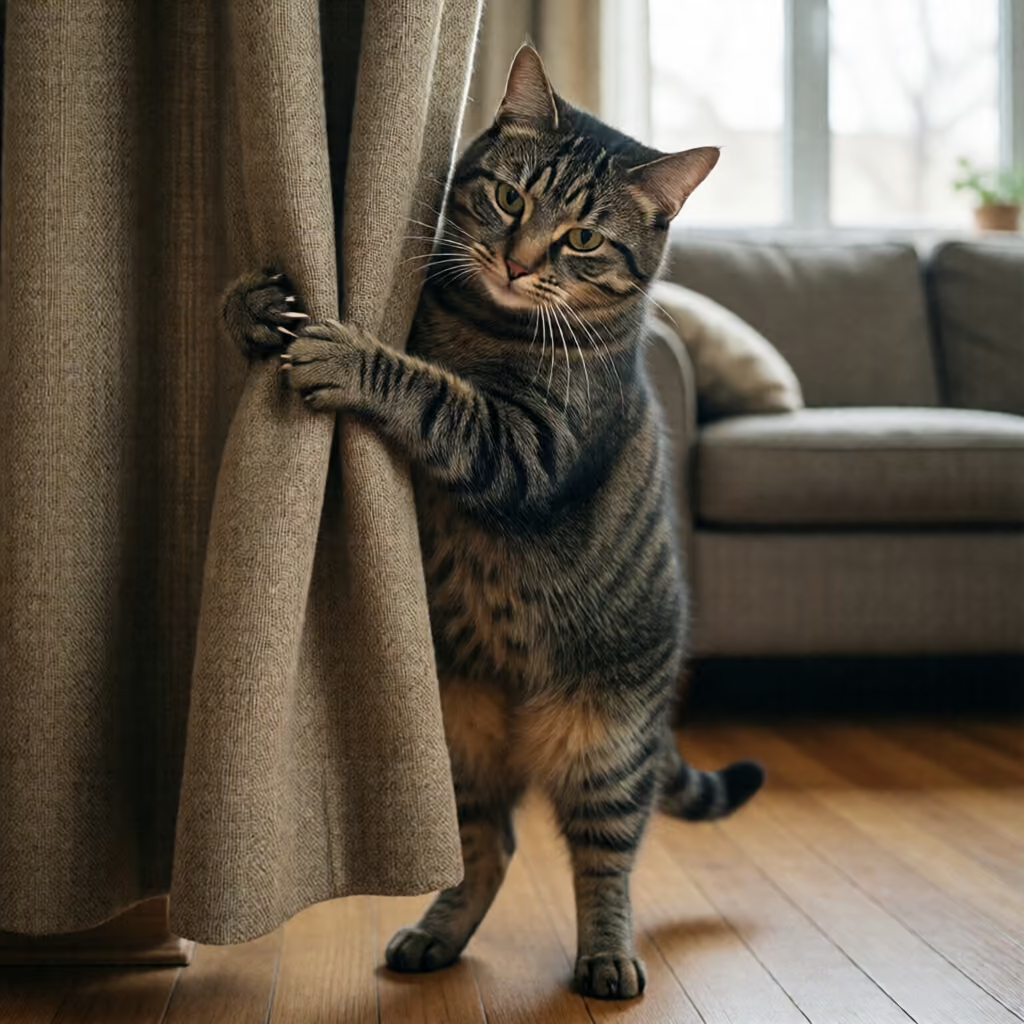
To grasp or hold onto something with claws, especially when referring to animals.
EXAMPLE
Die Katze krallte sich in den Vorhang.
The cat clawed into the curtain.
to claw
krallen – krallte – hat gekrallt
Loading your saved state.
to claw
To grasp or hold onto something with claws, especially when referring to animals.
Die Katze krallte sich in den Vorhang.
The cat clawed into the curtain.

to cling to something
To hold onto something with great force so as not to fall or lose one's grip.
Der Junge krallte sich mit beiden Händen an die Stange.
The boy clung to the bar with both hands.
to grab something
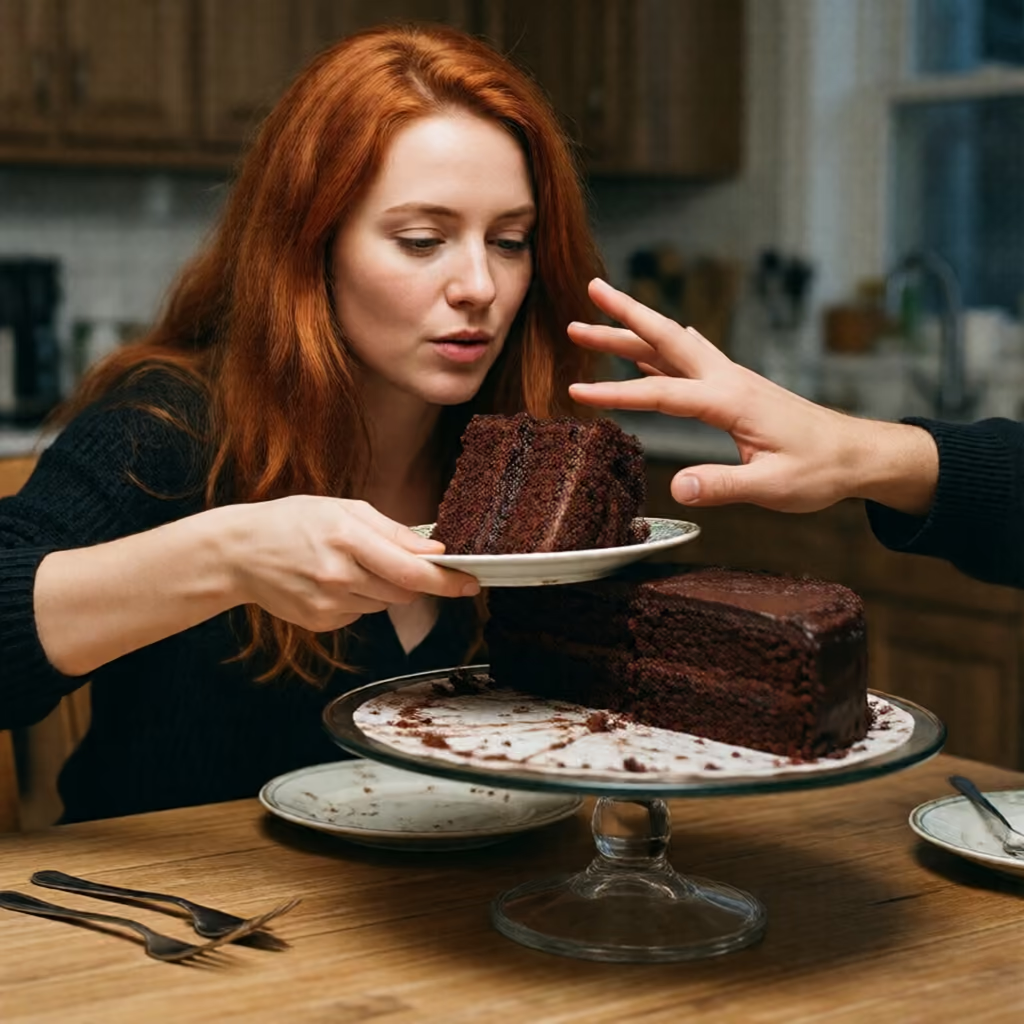
Colloquial: to take or secure something quickly and decisively for oneself.
Ich krallte mir das letzte Stück Kuchen.
I grabbed the last piece of cake.
to nab someone
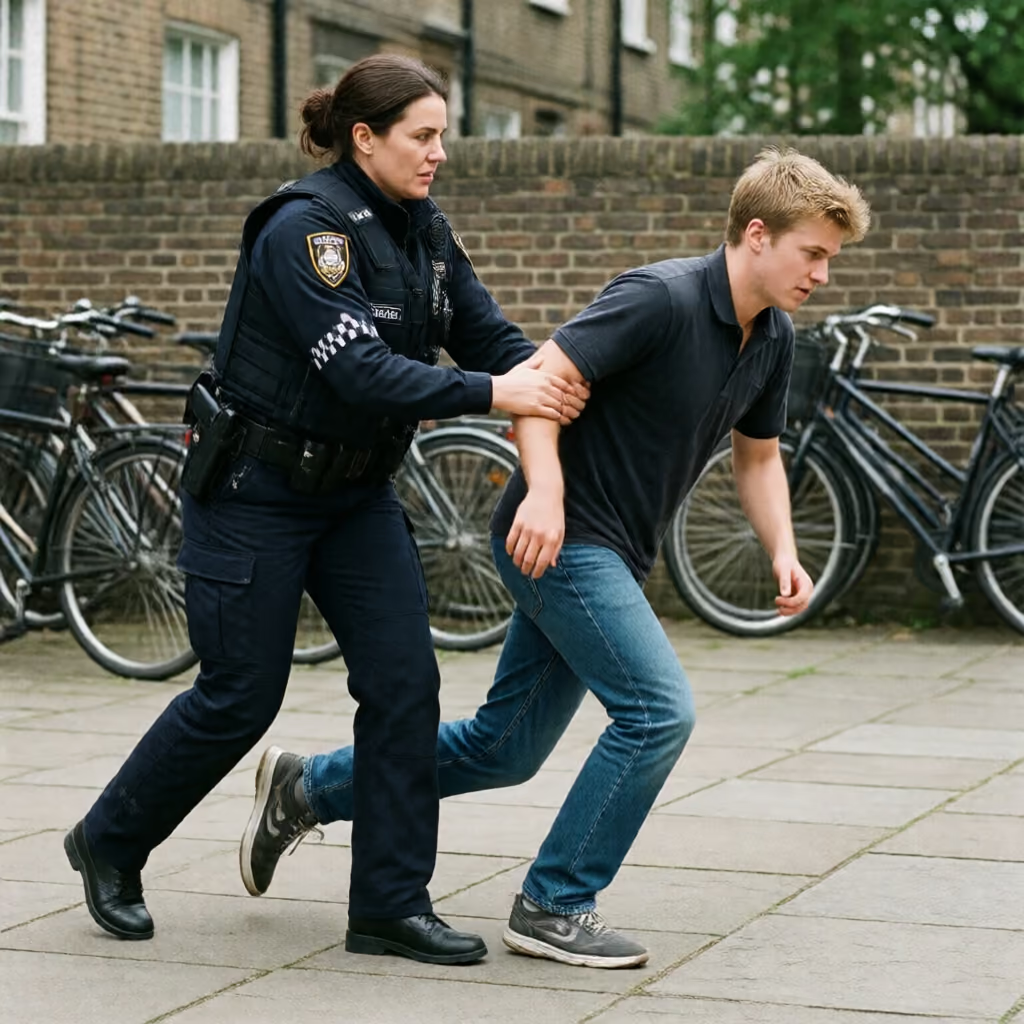
Colloquial: to catch, hold onto, or take possession of someone.
Die Polizei krallte sich den flüchtenden Dieb.
The police nabbed the fleeing thief.
| ich | kralle |
|---|---|
| du | krallst |
| er/sie/es | krallt |
| wir | krallen |
| ihr | krallt |
| sie | krallen |
| ich | krallte |
|---|---|
| du | kralltest |
| er/sie/es | krallte |
| wir | krallten |
| ihr | kralltet |
| sie | krallten |
| ich | habe gekrallt |
|---|---|
| du | hast gekrallt |
| er/sie/es | hat gekrallt |
| wir | haben gekrallt |
| ihr | habt gekrallt |
| sie | haben gekrallt |
| du | krall! kralle! |
|---|---|
| ihr | krallt! |
| Sie | krallen Sie! |
| ich | hatte gekrallt |
|---|---|
| du | hattest gekrallt |
| er/sie/es | hatte gekrallt |
| wir | hatten gekrallt |
| ihr | hattet gekrallt |
| sie | hatten gekrallt |
| ich | werde krallen |
|---|---|
| du | wirst krallen |
| er/sie/es | wird krallen |
| wir | werden krallen |
| ihr | werdet krallen |
| sie | werden krallen |
| ich | kralle |
|---|---|
| du | krallest |
| er/sie/es | kralle |
| wir | krallen |
| ihr | krallet |
| sie | krallen |
Used for reported speech.
| ich | krallte |
|---|---|
| du | kralltest |
| er/sie/es | krallte |
| wir | krallten |
| ihr | kralltet |
| sie | krallten |
Used for wishes and “would”.
| infinitive | krallen |
|---|---|
| with zu | zu krallen |
| present participle | krallend |
| past participle | gekrallt |
'Krallen' (to claw) belongs to the word family of 'Kralle' (claw). The verb therefore often describes an action in which claws touch, grasp, or hold onto something.
Der Adler krallte sich in den dicken Ast.
The eagle clawed into the thick branch.
With 'sich an etwas krallen' (to cling to something), the thing following 'an' is in the accusative. With 'sich etwas krallen' (to grab something) and 'sich jemanden krallen' (to nab someone), the reflexive pronoun is in the dative and the object is in the accusative.
Das Kind krallte sich ängstlich an die Reling.
The child clung anxiously to the railing.
Schnell krallte ich mir die Fernbedienung.
I quickly grabbed the remote control.
Die Sicherheitsleute krallten sich den Eindringling.
The security guards nabbed the intruder.
In its animal-related meaning, 'krallen' (to claw) often appears with body parts or surfaces that an animal claws into. Typical patterns include 'sich in den Vorhang krallen' (to claw into the curtain) and 'sich in einen Ast krallen' (to claw into a branch).
Die Katze krallte sich in das Sofa, als sie herunterrutschte.
The cat clawed into the sofa as it slid down.
With 'sich an etwas krallen' (to cling to something), the accusative follows 'an'. With 'sich an etwas festkrallen' (to hold tightly onto something), the dative is generally used because the emphasis is on maintaining a firm grip at a location.
Die Bergsteigerin krallte sich an den Felsen.
The mountaineer clung to the rock.
Der Wanderer krallte sich an einem Seil fest, um nicht abzurutschen.
The hiker gripped a rope tightly so as not to slip.
'Sich etwas krallen' (to grab something) is colloquial and is often used with things that someone wants to secure quickly for themselves. The object is in the accusative.
Sie krallte sich den letzten freien Sitzplatz im Zug.
She grabbed the last available seat on the train.
In the colloquial meaning 'sich jemanden krallen' (to nab someone), the person affected appears directly in the accusative. The expression is often used for catching or holding onto someone.
Die Ordner krallten sich den Mann, der ohne Ticket weglaufen wollte.
The security guards nabbed the man who wanted to run away without a ticket.