

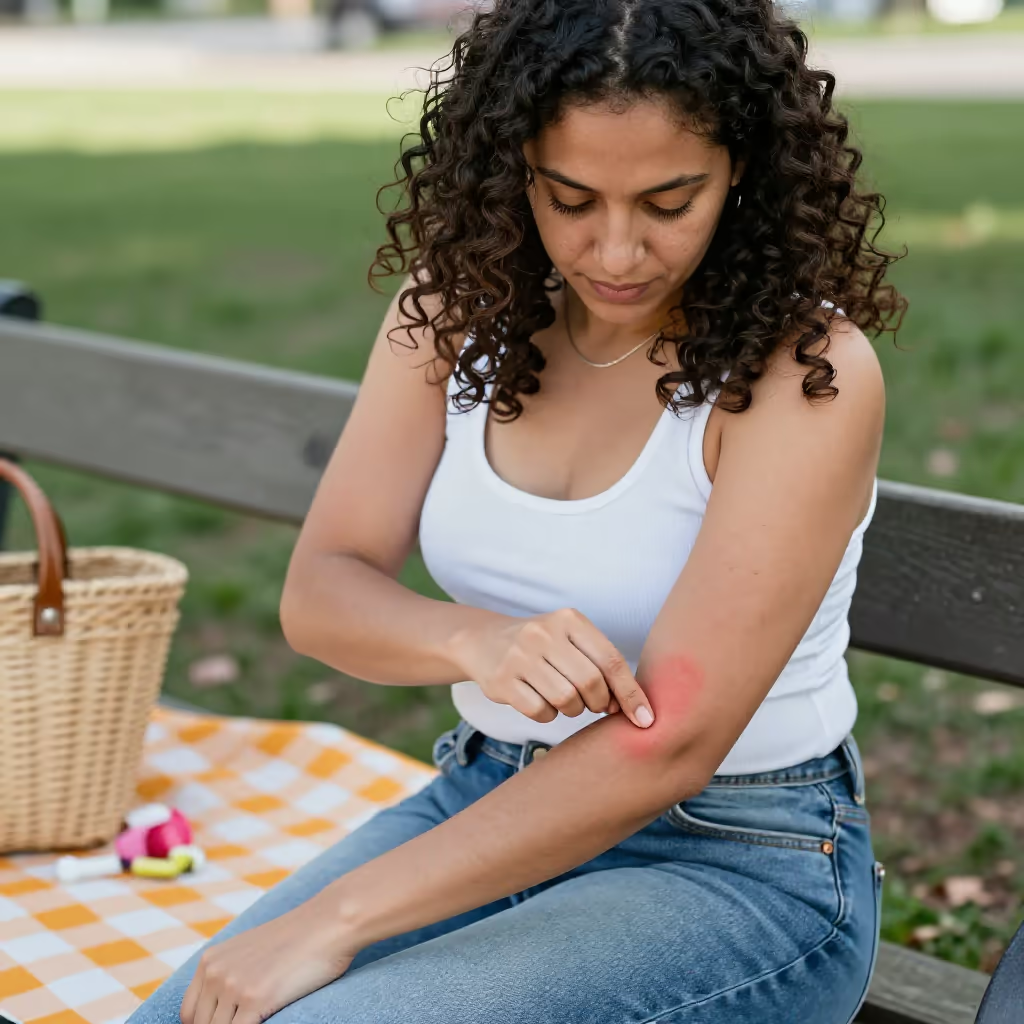
kratzen
to scratch
To rub the skin with fingernails or a pointed object, often because it itches.
EXAMPLE
Der Mückenstich juckt so sehr, ich muss mich ständig kratzen.
The mosquito bite itches so much, I have to keep scratching myself.
to scratch
Loading your saved state.
to scratch
To rub the skin with fingernails or a pointed object, often because it itches.
Der Mückenstich juckt so sehr, ich muss mich ständig kratzen.
The mosquito bite itches so much, I have to keep scratching myself.
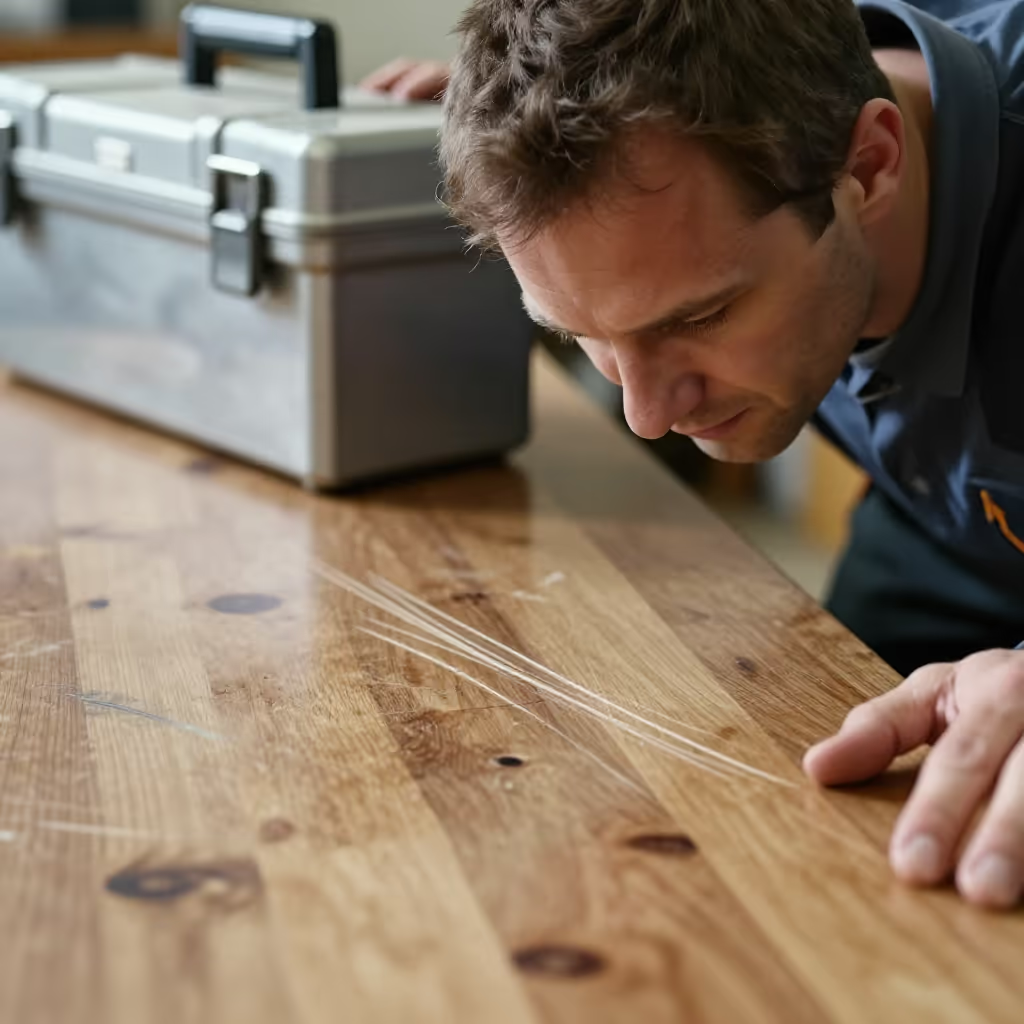
to scratch
To cause a superficial scrape or groove on a surface.
Sei vorsichtig, dass du mit dem Schlüssel nicht den Lack vom Auto kratzt.
Be careful not to scratch the car's paint with the key.

to feel scratchy
To have a rough, irritating feeling in the throat, often as a sign of a cold.
Mein Hals kratzt, ich glaube, ich werde krank.
My throat feels scratchy; I think I'm getting sick.
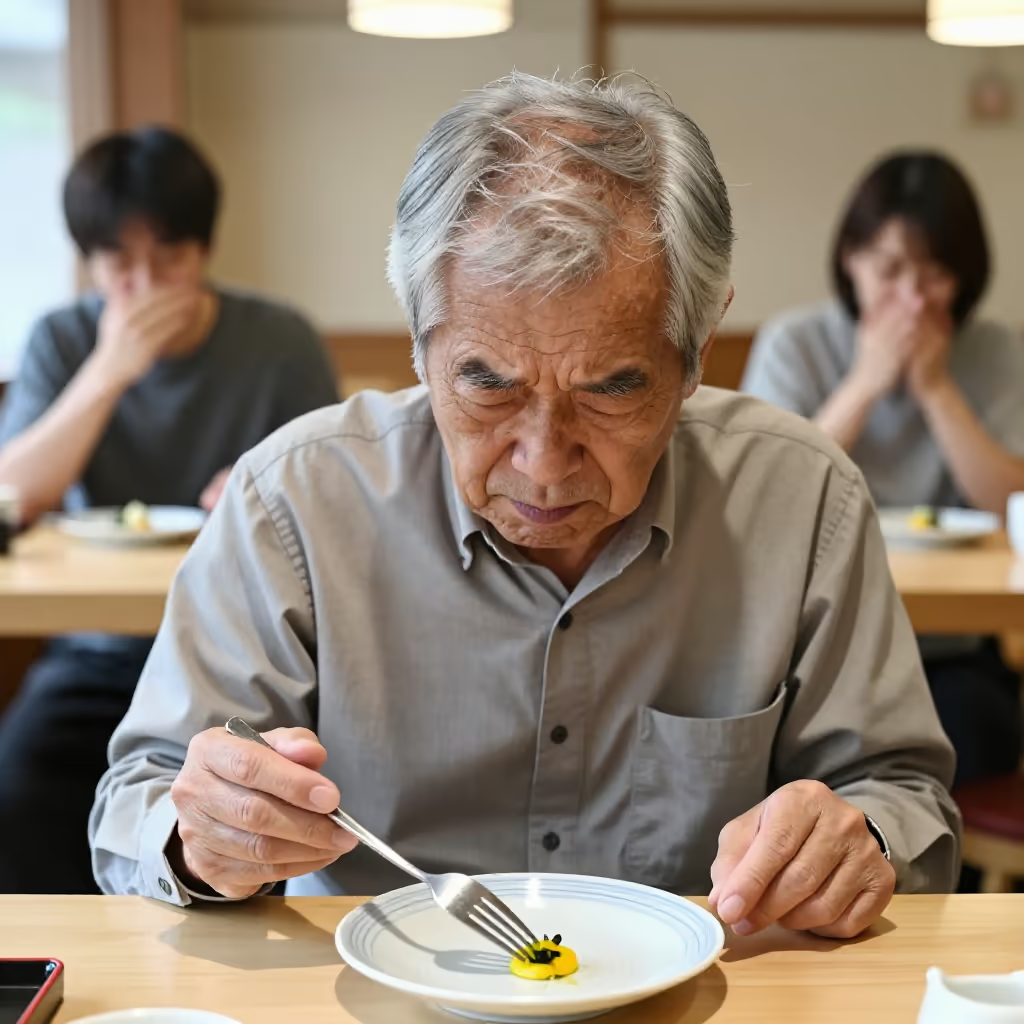
to scrape
To produce a rough, unpleasant sound caused by friction.
Die Kreide kratzte furchtbar auf der Tafel.
The chalk scraped terribly on the blackboard.
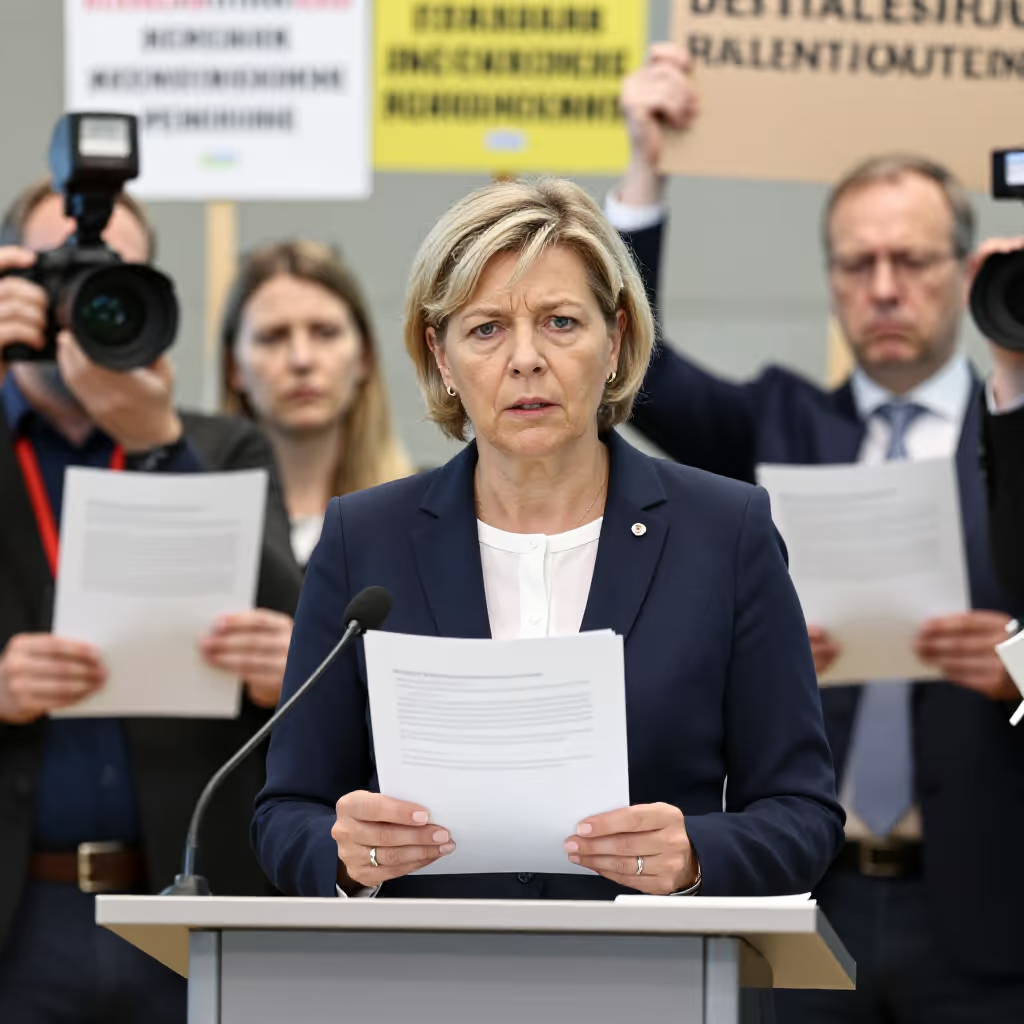
to undermine
To damage or call into question the reputation, standing, or authority of someone or something.
Der Skandal hat stark an seinem Image als ehrlicher Politiker gekratzt.
The scandal seriously undermined his image as an honest politician.
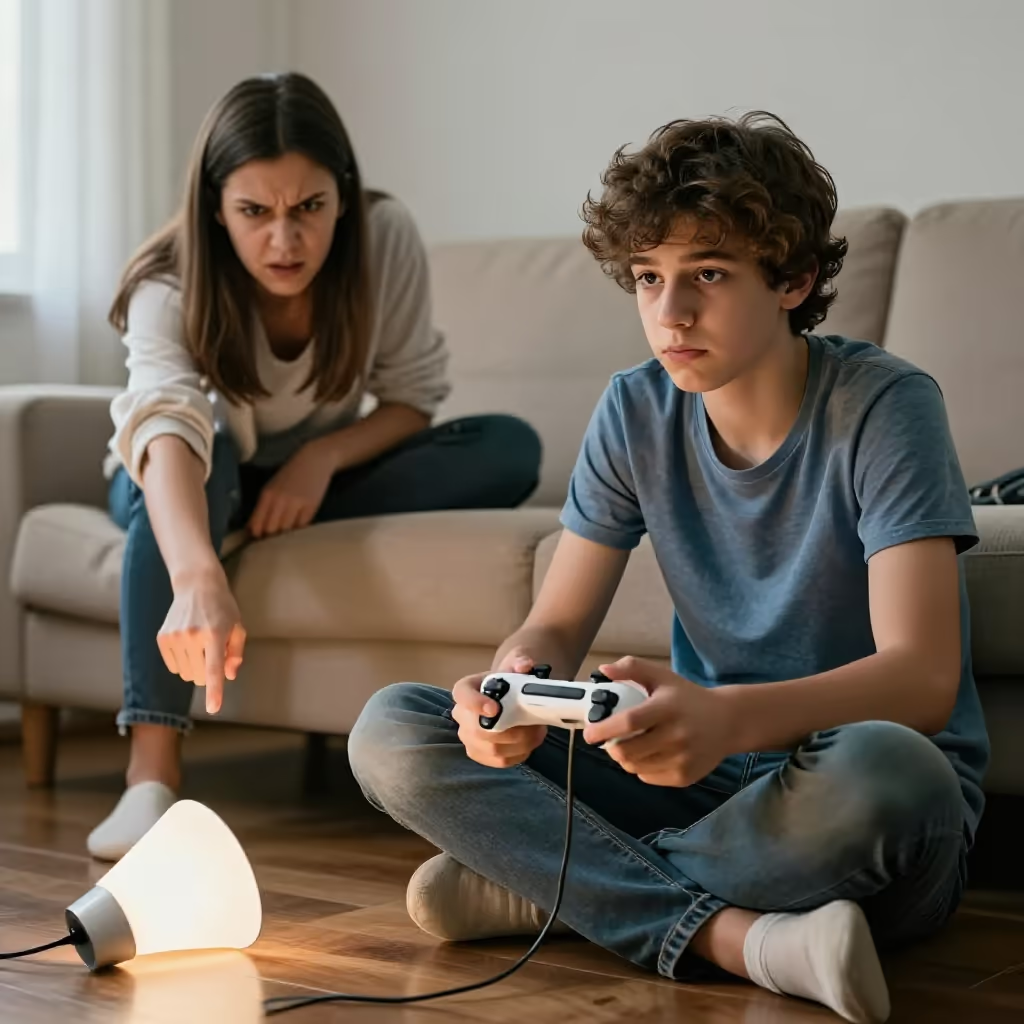
to not bother someone
Colloquial: to not interest someone or to be a matter of indifference to them.
Ob er kommt oder nicht, das kratzt mich überhaupt nicht.
Whether he comes or not doesn't bother me at all.
When you rub an itchy spot on yourself, 'kratzen' (to scratch) is often used reflexively: 'sich kratzen' (to scratch oneself). You can also add the body part as a direct object: 'sich den Arm kratzen' (to scratch one's arm).
Hör auf, dich ständig zu kratzen, du machst die Haut kaputt!
Stop scratching yourself all the time; you're damaging your skin!
To describe a rough feeling in the throat, 'kratzen' (to feel scratchy) is often used impersonally with 'es' (it) or with 'der Hals' (the throat) as the subject. The person feels the scratchiness but is not actively doing the scratching.
Es kratzt mir im Hals, ich sollte einen Tee trinken.
My throat feels scratchy; I should drink some tea.
In the figurative meaning 'Ansehen beschädigen' (to damage someone's reputation), 'kratzen' (to undermine) always appears with the preposition 'an' followed by the dative. You 'scratch at' someone's image or reputation.
Diese Affäre könnte empfindlich an seinem Ruf als zuverlässiger Partner kratzen.
This affair could seriously undermine his reputation as a reliable partner.
The colloquial expression 'Das kratzt mich nicht' means 'I don't care about that.' The person who does not care about something is always in the accusative.
Seine Meinung kratzt mich nicht im Geringsten.
His opinion doesn't bother me in the slightest.
The expression 'jemanden nicht kratzen' (to not bother someone) is clearly colloquial. In formal situations or in written language, you would use other expressions.
Was die anderen über mein Hobby denken, kratzt mich ehrlich gesagt nicht.
What others think about my hobby honestly doesn't bother me.
When 'kratzen' (to scratch) describes damage, the object is often a sensitive surface. Typical objects are paintwork, a CD, glasses, or furniture.
Pass auf, dass du mit deiner Tasche nicht die frisch gestrichene Wand kratzt.
Be careful not to scratch the freshly painted wall with your bag.
to interest
Both „interessieren“ and „kratzen“ can express that someone is indifferent to something. „Das interessiert mich nicht“ is neutral, whereas „Das kratzt mich nicht“ sounds distinctly colloquial. In formal situations, „interessieren“ is therefore usually more suitable.

Die Änderung kratzt mich nicht, sagte Lea locker zu ihren Freunden.
“The change doesn’t bother me,” Lea said casually to her friends.
Die Änderung interessiert mich nicht, sagte Lea sachlich zu ihrer Chefin.
“The change doesn’t interest me,” Lea said matter-of-factly to her boss.