

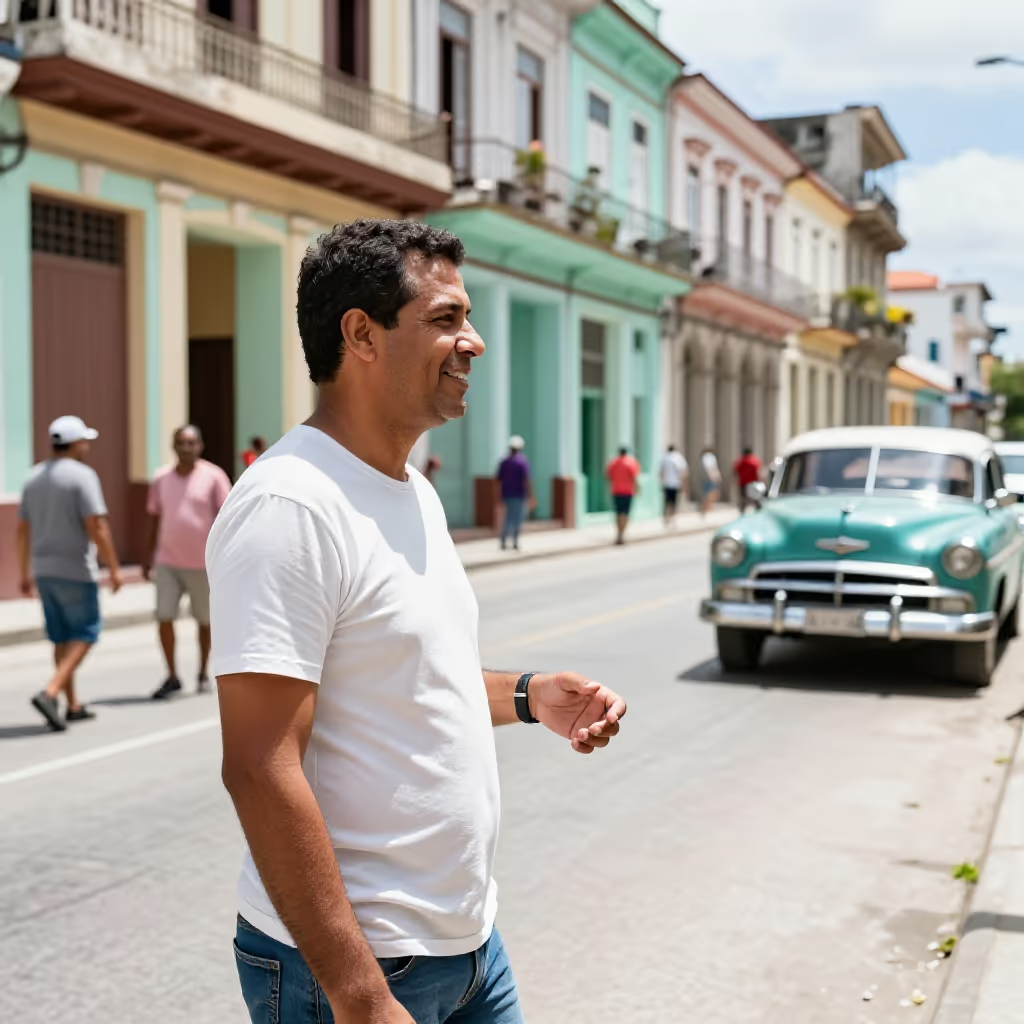
der Kubaner
Cuban
A male citizen of Cuba or a male person of Cuban origin.
EXAMPLE
Mein Tanzlehrer ist Kubaner und hat uns Salsa beigebracht.
My dance teacher is Cuban and taught us salsa.
Cuban / Cuban cigar
Loading your saved state.
Cuban
A male citizen of Cuba or a male person of Cuban origin.
Mein Tanzlehrer ist Kubaner und hat uns Salsa beigebracht.
My dance teacher is Cuban and taught us salsa.
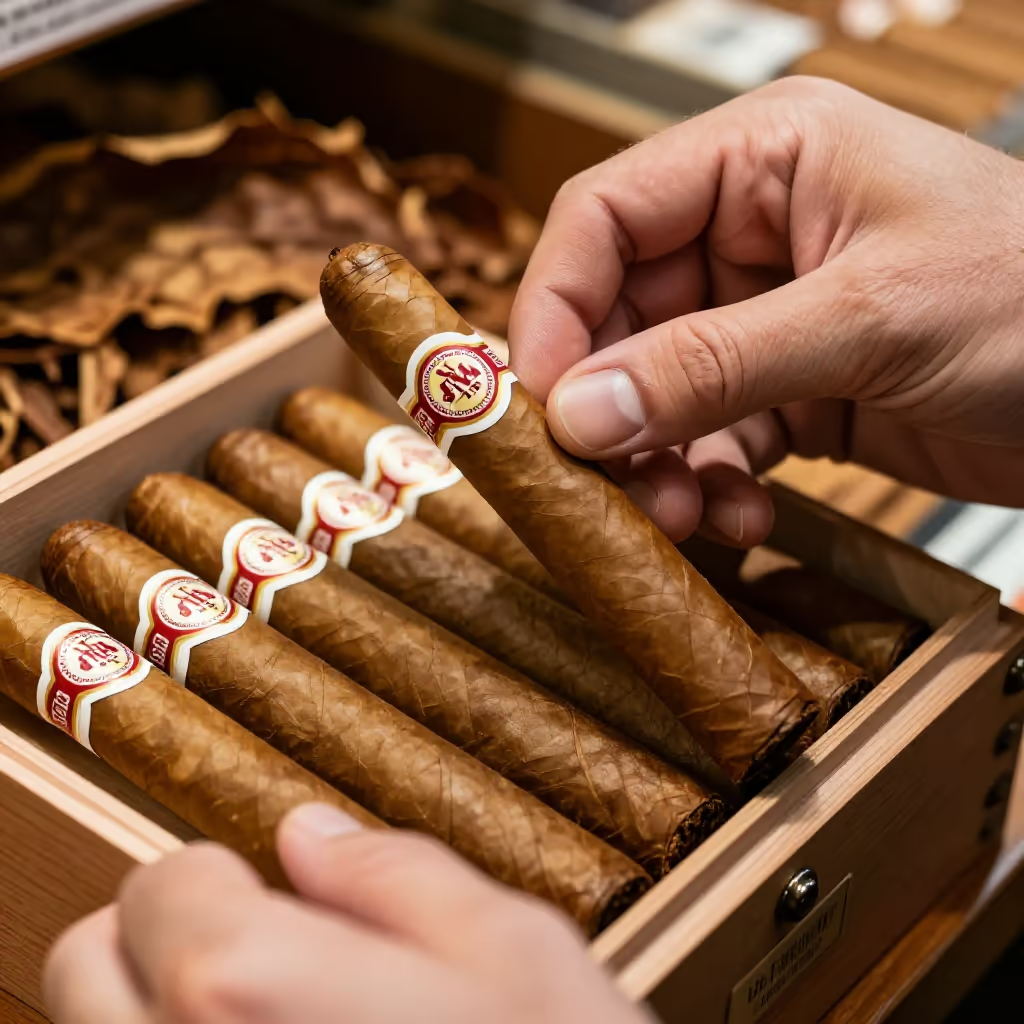
Cuban cigar
A colloquial term for a cigar from Cuba.
Zum Feierabend gönnte er sich einen echten Kubaner auf dem Balkon.
At the end of the workday, he treated himself to a real Cuban cigar on the balcony.
The word is derived from the country 'Kuba' (Cuba). The ending '-aner' is often used in German to refer to male inhabitants of a country or city.
Er ist Kubaner und lebt seit fünf Jahren in Deutschland.
He is Cuban and has been living in Germany for five years.
Whether a person or a cigar is meant can be recognized from the context. Verbs like 'rauchen' (to smoke) or 'anzünden' (to light) point to the cigar, while verbs like 'kennenlernen' (to meet/get to know) or 'sprechen mit' (to speak with) point to the person.
Ich habe im Urlaub einen netten Kubaner kennengelernt.
I met a nice Cuban on vacation.
The use of 'Kubaner' for a cigar is colloquial. In a formal conversation or in a specialist shop, one would be more likely to say 'kubanische Zigarre' (Cuban cigar).
Nach dem Essen rauchen die Freunde gern einen Kubaner.
After dinner, the friends like to smoke a Cuban cigar.