


der Kuli
ballpoint pen
An informal term for a ballpoint pen.
EXAMPLE
Kannst du mir einen Kuli leihen, damit ich das Formular ausfüllen kann?
Can you lend me a ballpoint pen so I can fill out the form?
ballpoint pen / coolie
der Kuli, die Kulis
Loading your saved state.
ballpoint pen
An informal term for a ballpoint pen.
Kannst du mir einen Kuli leihen, damit ich das Formular ausfüllen kann?
Can you lend me a ballpoint pen so I can fill out the form?

coolie
A historical term, now considered derogatory, for a usually Asian worker who performed hard physical labor for little pay, especially as a porter.
Die Kolonialherren ließen die schweren Waren von sogenannten Kulis zum Hafen tragen.
The colonial rulers had so-called coolies carry the heavy goods to the harbor.
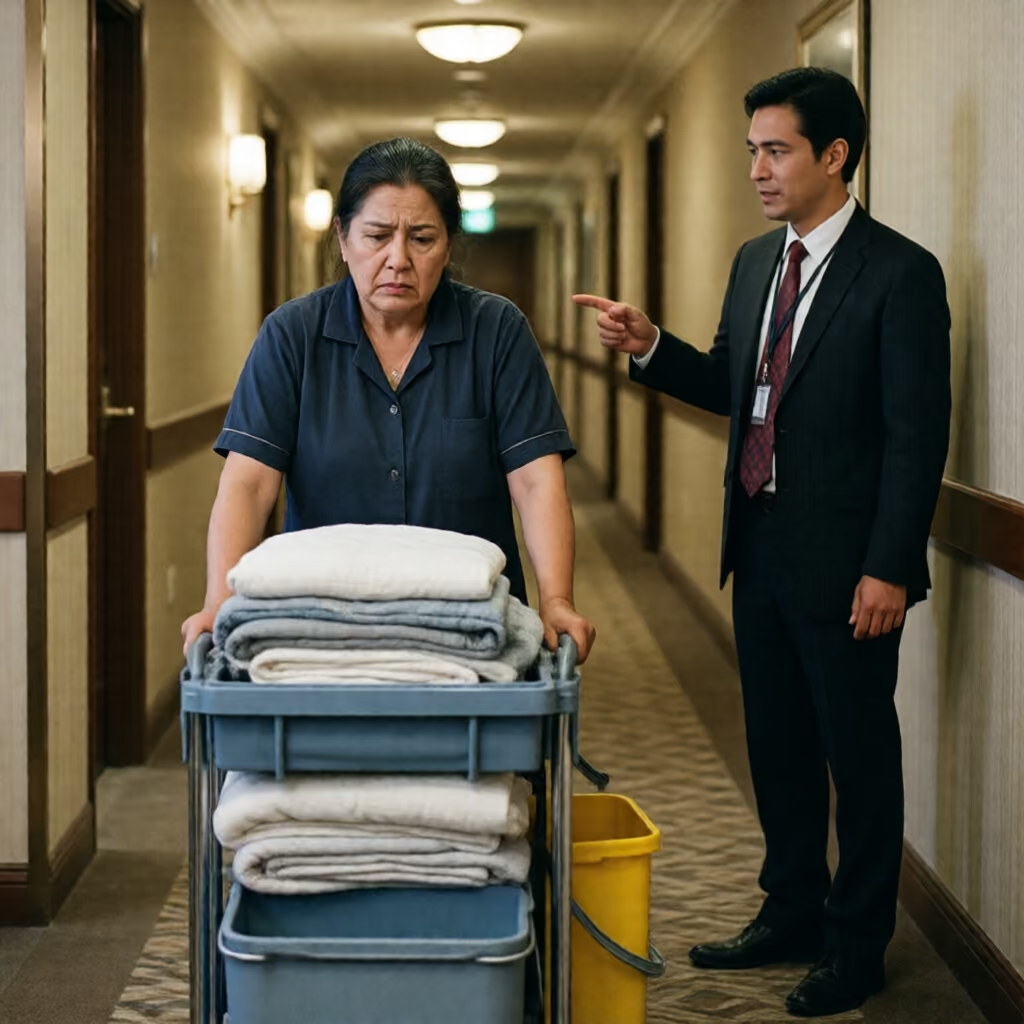
drudge
A derogatory term for someone who has to do strenuous or menial work for others.
Ich bin doch nicht euer Kuli, der euch ständig alles hinterhertragen muss!
I'm not your drudge, always carrying everything around after you!
| gender | masculine der |
|---|---|
| plural | die Kulis |
| genitive | des Kulis |
| singular | plural | |
|---|---|---|
| nominative | der Kuli | die Kulis |
| accusative | den Kuli | die Kulis |
| dative | dem Kuli | den Kulis |
| genitive | des Kulis | der Kulis |
The article changes with the case; it is shown in colour.
The meaning of „Kuli“ (ballpoint pen / coolie) can usually be identified from the context: when writing or paper is mentioned, it refers to a writing instrument; in the context of colonial history and hard labor, it is a historical term; in arguments about tasks, it is a derogatory term for an exploited person.
Auf dem Tisch lag nur ein Kuli, aber kein Bleistift.
There was only a ballpoint pen on the table, but no pencil.
Im historischen Bericht mussten sogenannte Kulis schwere Lasten tragen.
In the historical report, so-called coolies had to carry heavy loads.
Nach dem Umzug fühlte sie sich wie der Kuli der ganzen Familie.
After the move, she felt like the whole family's drudge.
In the meaning of a writing instrument, „Kuli“ (ballpoint pen) is informal and is especially suitable for everyday situations. Typical collocations are „einen Kuli leihen“ (to lend someone a ballpoint pen), „mit einem Kuli schreiben“ (to write with a ballpoint pen), and „einen Kuli suchen“ (to look for a ballpoint pen).
Ich suche schon seit zehn Minuten einen Kuli, der noch schreibt.
I've been looking for a ballpoint pen that still writes for ten minutes now.
This historical meaning is now strongly derogatory and occurs mainly in texts about colonial history or former working conditions. In present-day language, the term should not be used uncritically to refer to people.
Im Museumstext wurde erklärt, unter welchen Bedingungen die Kulis auf den Plantagen arbeiten mussten.
The museum text explained the conditions under which the coolies had to work on the plantations.
In its figurative meaning, „Kuli“ (drudge) refers to a person whom others constantly burden with strenuous or menial tasks. The term is derogatory and often appears in complaints or accusations.
Seit Wochen behandelt er seinen Kollegen wie einen Kuli und lässt ihn alle schweren Aufgaben erledigen.
For weeks, he has been treating his colleague like a drudge and making him do all the heavy work.