


kundig
knowledgeable
Well informed and knowledgeable about a particular field, subject, or activity.
EXAMPLE
Sie ist eine kundige Ärztin und kennt sich mit seltenen Krankheiten aus.
She is a knowledgeable doctor and knows about rare diseases.
knowledgeable
kundig – kundiger – am kundigsten
Loading your saved state.
knowledgeable
Well informed and knowledgeable about a particular field, subject, or activity.
Sie ist eine kundige Ärztin und kennt sich mit seltenen Krankheiten aus.
She is a knowledgeable doctor and knows about rare diseases.
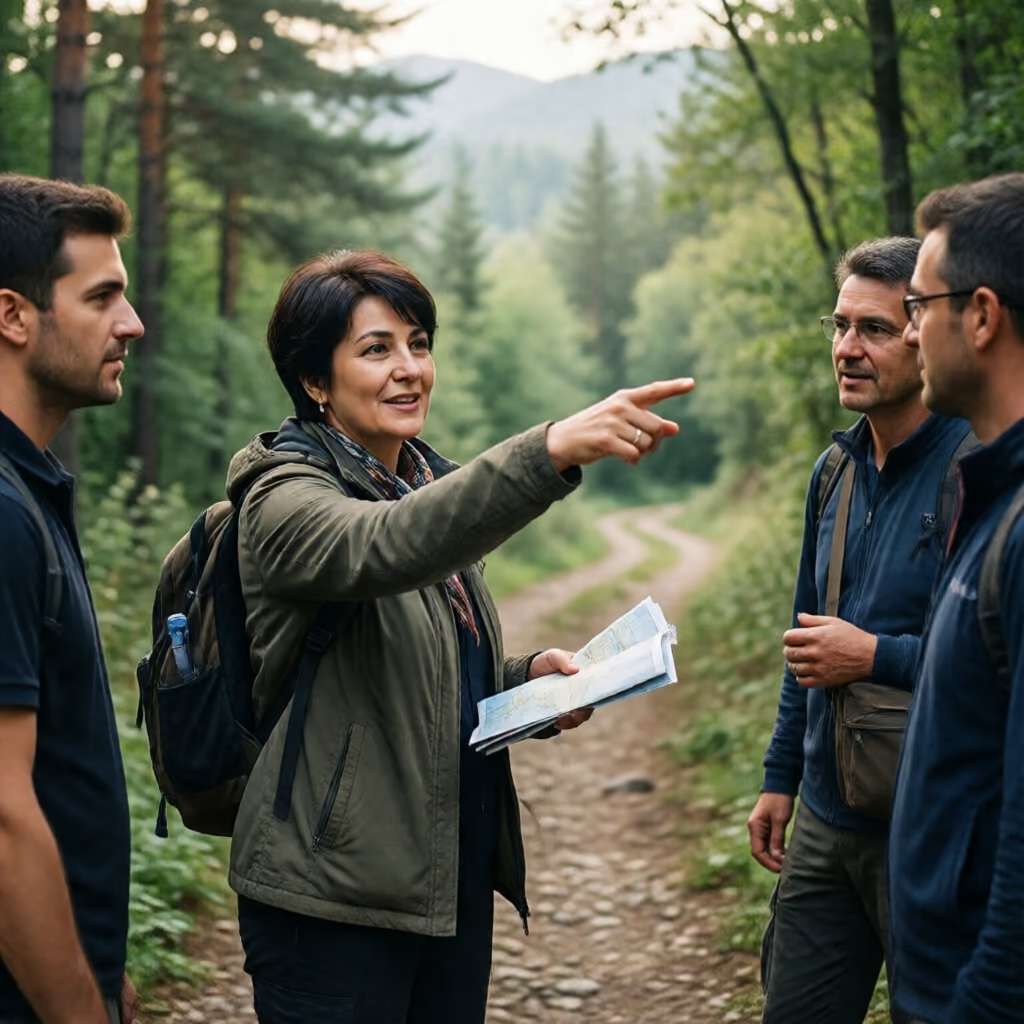
to be familiar with something
To be familiar with something and have experience in it; the thing in question is in the genitive, especially in the expression „des Weges kundig sein“ (to know the way).
Die Reiseleiterin war der Landessprache kundig und half uns bei jedem Gespräch.
The tour guide was familiar with the local language and helped us in every conversation.

to find out about something
To inform oneself about something and acquire the necessary knowledge about it.
Vor der Reise machte sie sich über die örtlichen Vorschriften kundig.
Before the trip, she found out about the local regulations.
| basic form | kundig |
|---|---|
| comparative | kundiger |
| superlative | am kundigsten |
| masc. | fem. | neut. | plural | |
|---|---|---|---|---|
| nom. | -e | -e | -e | -en |
| acc. | -en | -e | -e | -en |
| dat. | -en | -en | -en | -en |
| gen. | -en | -en | -en | -en |
Add the ending to kundig.
| masc. | fem. | neut. | plural | |
|---|---|---|---|---|
| nom. | -er | -e | -es | -en |
| acc. | -en | -e | -es | -en |
| dat. | -en | -en | -en | -en |
| gen. | -en | -en | -en | -en |
Add the ending to kundig.
| masc. | fem. | neut. | plural | |
|---|---|---|---|---|
| nom. | -er | -e | -es | -e |
| acc. | -en | -e | -es | -e |
| dat. | -em | -er | -em | -en |
| gen. | -en | -er | -en | -er |
Add the ending to kundig.
„Kundig“ often sounds elevated or literary. In particular, fixed expressions with „kundig“ can sound literary or solemn.
Die kundige Historikerin erklärte die Zusammenhänge verständlich.
The knowledgeable historian explained the connections clearly.
Common collocations include „kundige Beratung“ (expert advice), „kundige Auskunft“ (knowledgeable information), and „ein kundiger Fachmann“ (a knowledgeable expert). The adjective often appears before a noun referring to the knowledgeable person or their service.
Für die Restaurierung holten wir kundige Beratung ein.
For the restoration, we sought expert advice.
In the fixed expression „einer Sache kundig sein“ (to be familiar with something), the thing in question is in the genitive. The phrase „des Weges kundig sein“ (to know the way) is particularly well known.
Der alte Förster war des Weges kundig und führte uns sicher zum See.
The old forester knew the way and led us safely to the lake.
In „sich kundig machen“ (to find out about something), the reflexive pronoun refers to the person, and the topic is often introduced with „über“ (about) plus the accusative. The expression describes a targeted process of gathering information.
Vor dem Antrag machte sich Lena über die aktuellen Bedingungen kundig.
Before submitting the application, Lena found out about the current conditions.