

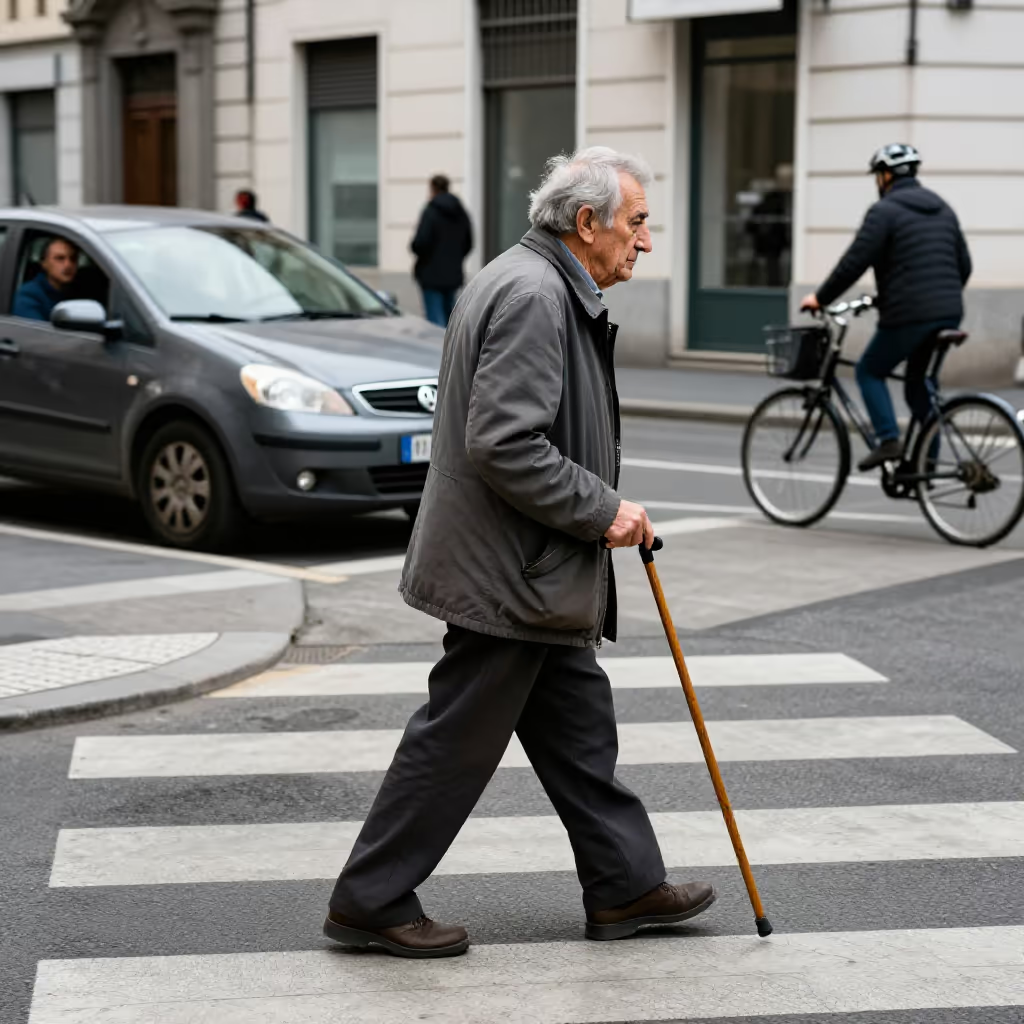
langsam
slow
Describes a movement or process that takes place at low speed.
EXAMPLE
Die Schnecke ist ein sehr langsames Tier.
The snail is a very slow animal.
slow
Loading your saved state.
slow
Describes a movement or process that takes place at low speed.
Die Schnecke ist ein sehr langsames Tier.
The snail is a very slow animal.

gradual
Expresses that something happens gradually or step by step.
Langsam wird es dunkel.
It is gradually getting dark.

now / finally
Used colloquially to express impatience or annoyance, often in phrases like 'langsam reicht es' (that's enough now).
Jetzt warte ich schon eine Stunde, langsam werde ich wütend.
I've been waiting for an hour now; I'm starting to get angry.
'Langsam' can stand before a noun as an adjective or describe an action as an adverb. Unlike in many other languages, the form of the word does not change in this use.
Der langsame Verkehr am Morgen ist ärgerlich.
The slow traffic in the morning is annoying.
When 'langsam' describes a process or a change of state (often with the verb 'werden' (to become)), it means “gradually” or “little by little.” It then often stands at the beginning of the sentence.
Langsam verstehe ich, wie das Gerät funktioniert.
I'm gradually understanding how the device works.
In colloquial speech, 'langsam' is used to express growing impatience or annoyance. A very common phrase is 'Langsam reicht es mir!' (I've had enough now!).
Ich warte schon seit einer Stunde auf dich, langsam werde ich ungeduldig.
I've been waiting for you for an hour; I'm starting to get impatient.
gradually
Langsam and allmählich can both describe a change happening gradually. Langsam emphasizes the slow pace, while allmählich emphasizes the step-by-step transition over a longer period. Use langsam for slow progress and allmählich for a development that takes place in small steps.
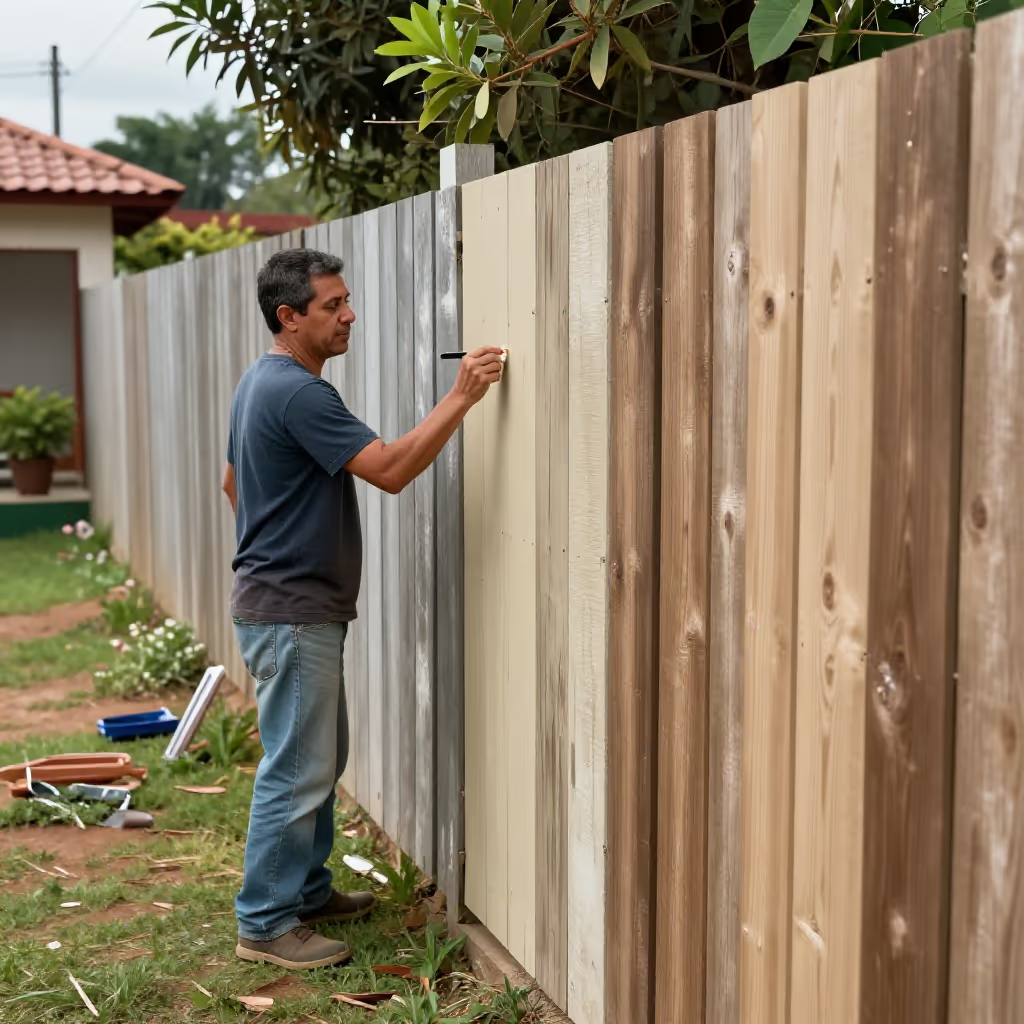
Trotz der Behandlung bessert sich sein Zustand nur langsam.
Despite the treatment, his condition is improving only slowly.
Mit jedem Tag bessert sich sein Zustand allmählich.
His condition is gradually improving with each passing day.