

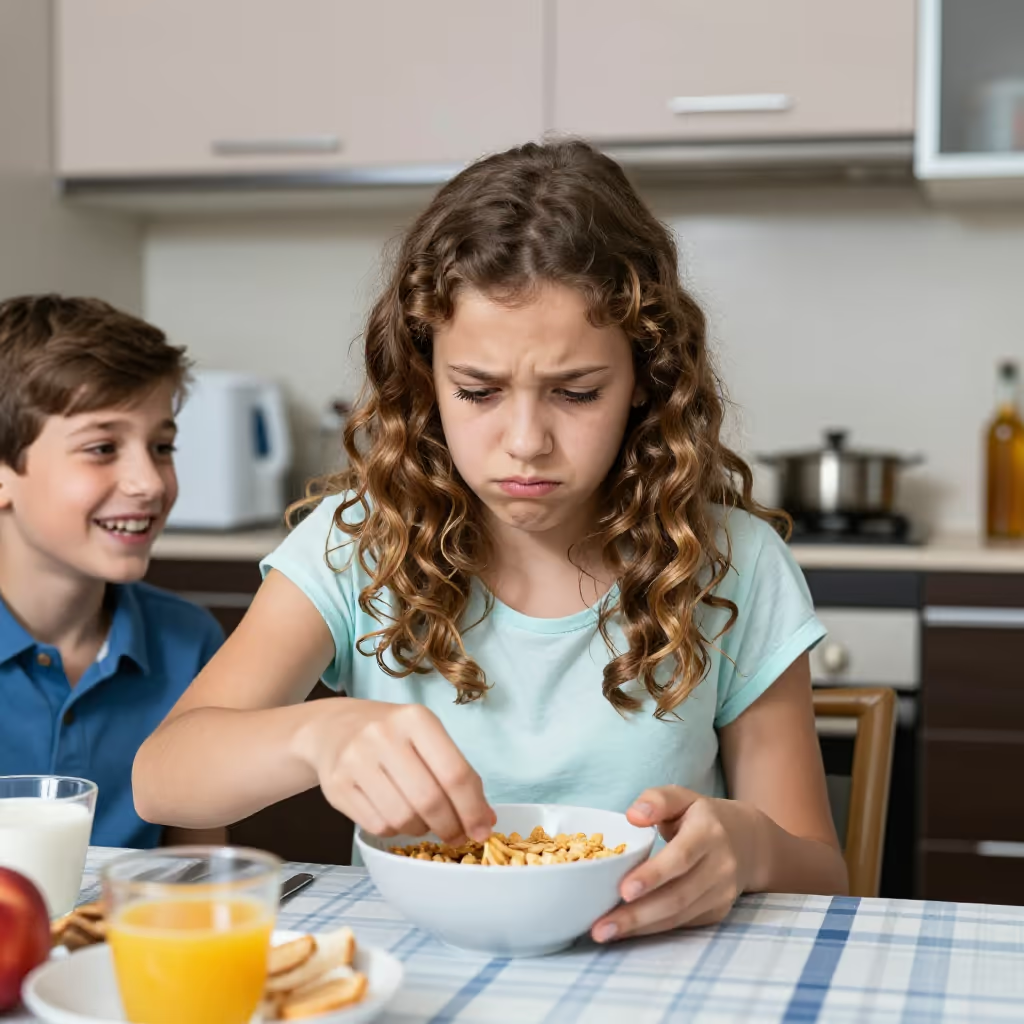
die Laune
mood
A person's current mood or state of mind.
EXAMPLE
Er hatte heute Morgen richtig schlechte Laune, aber jetzt ist er wieder fröhlich.
He was in a really bad mood this morning, but now he's cheerful again.
mood / whim
Loading your saved state.
mood
A person's current mood or state of mind.
Er hatte heute Morgen richtig schlechte Laune, aber jetzt ist er wieder fröhlich.
He was in a really bad mood this morning, but now he's cheerful again.
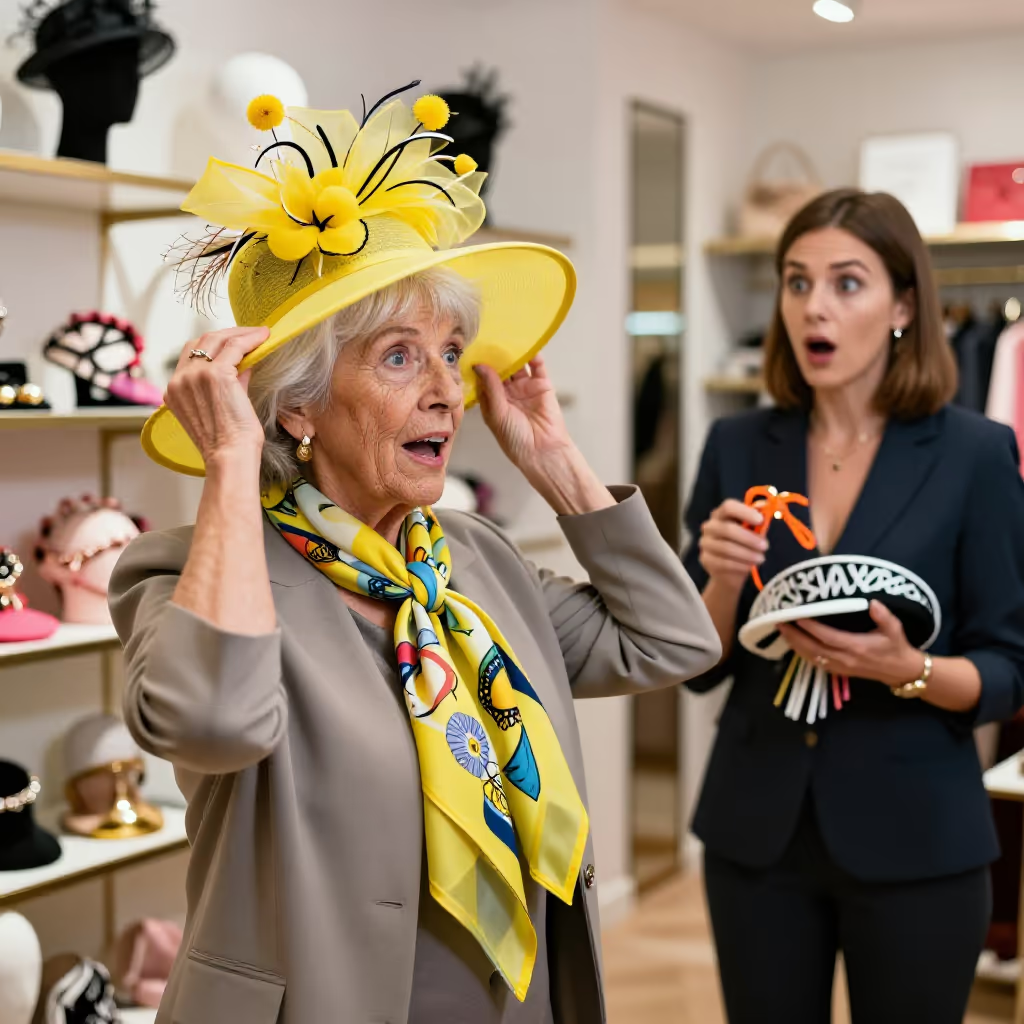
whim
A sudden, often unreasonable idea or wish; a caprice. Mostly used in the plural.
Man muss nicht jede Laune des Chefs mitmachen.
You don't have to go along with every whim of the boss.
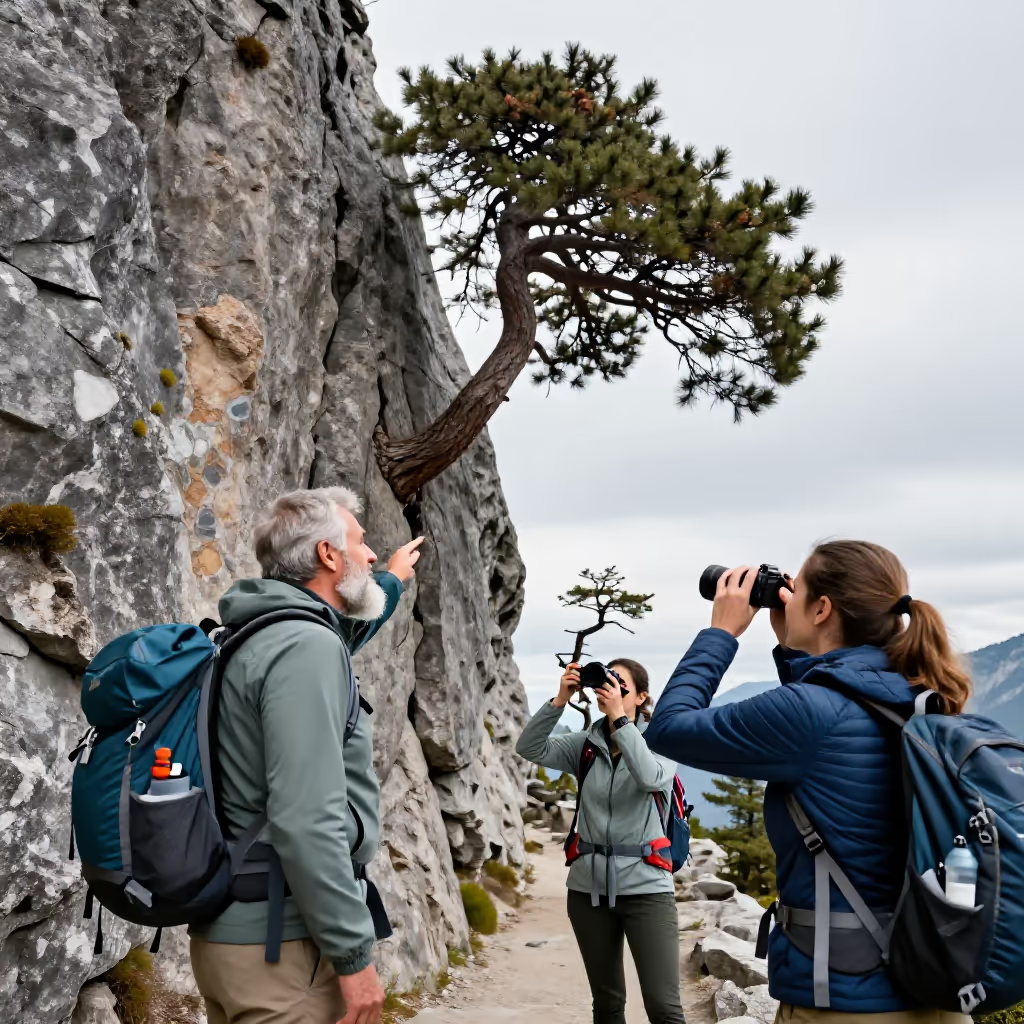
a freak of nature
A fixed expression for an unusual, strange, or unexpected phenomenon in nature.
Ein vierblättriges Kleeblatt ist eine seltene Laune der Natur.
A four-leaf clover is a rare freak of nature.
'Laune' (mood) is almost always combined with an adjective that describes the mood. The most common combinations are 'gute Laune' (good mood) and 'schlechte Laune' (bad mood).
Trotz des schlechten Wetters hatte sie den ganzen Tag gute Laune.
Despite the bad weather, she was in a good mood all day.
Fixed expressions with verbs include 'gute/schlechte Laune haben' (to be in a good/bad mood), 'jemandem die Laune verderben' (to spoil someone's mood), or 'jemanden bei Laune halten' (to keep someone in a good mood).
Lass dir von dieser Kleinigkeit nicht die Laune verderben!
Don't let this little thing spoil your mood!
In the singular, 'die Laune' almost always refers to mood. In the plural, 'die Launen' often means sudden, unreasonable ideas or changeable wishes.
Seine gute Laune von heute Morgen ist schon wieder vorbei.
His good mood from this morning is already gone again.
The idiom 'eine Laune der Natur' (a freak of nature) refers to an unusual, strange, or unexpected phenomenon in nature that deviates from the norm.
Ein weißer Tiger ist eine seltene Laune der Natur.
A white tiger is a rare freak of nature.
desire / pleasure
Lust refers to the specific willingness or desire to do something. Laune means a person's current mood, which can influence that willingness. Someone who does not want to do a particular activity hat keine Lust; someone who is generally in a bad mood hat schlechte Laune.

Wegen ihrer schlechten Laune möchte Nora nach der Arbeit nicht ausgehen.
Because she is in a bad mood, Nora doesn't want to go out after work.
Nach der Arbeit hat Nora keine Lust, auszugehen.
After work, Nora doesn't feel like going out.