

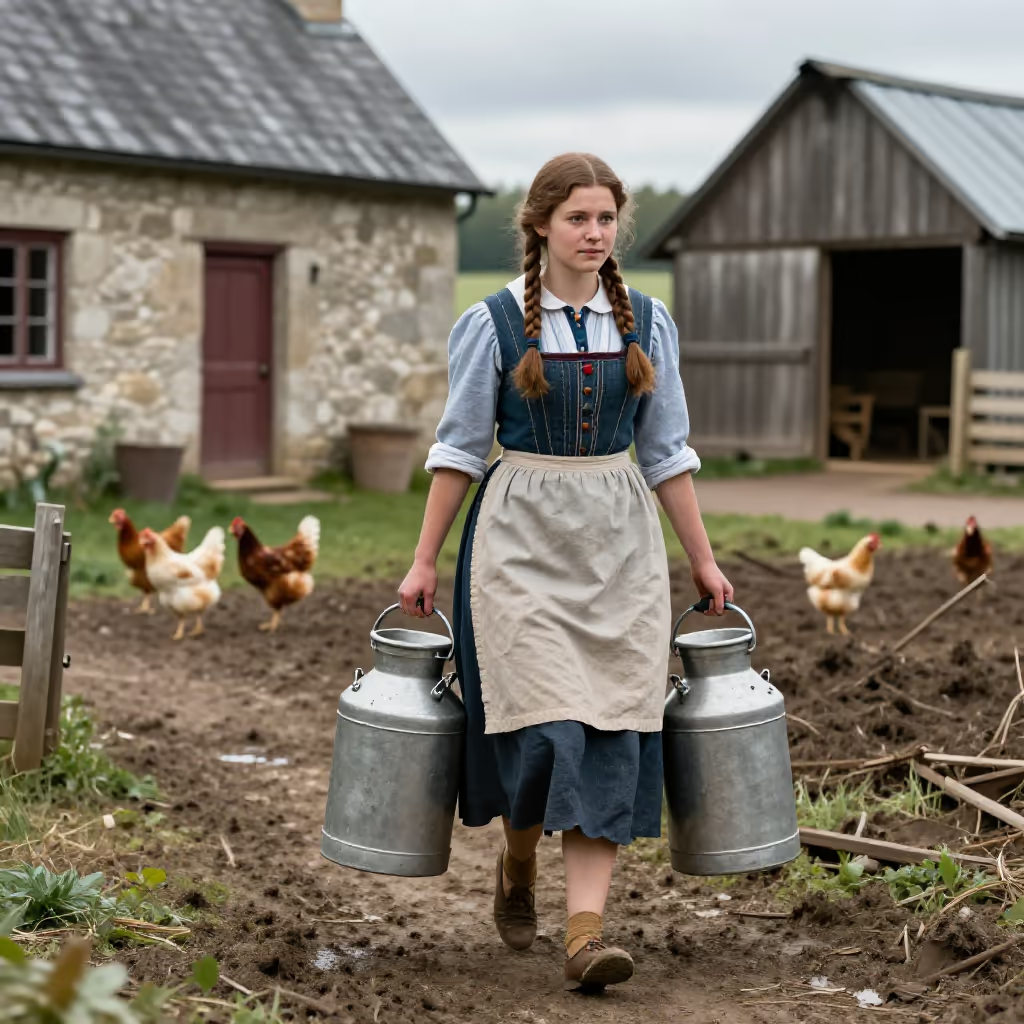
A female servant who performed physical work, especially in agriculture or in a household. The term is outdated today and is mainly used in historical contexts.
example
In dem historischen Roman war die Magd für das Melken der Kühe und die Versorgung des Geflügels zuständig.
In the historical novel, the maid was responsible for milking the cows and caring for the poultry.
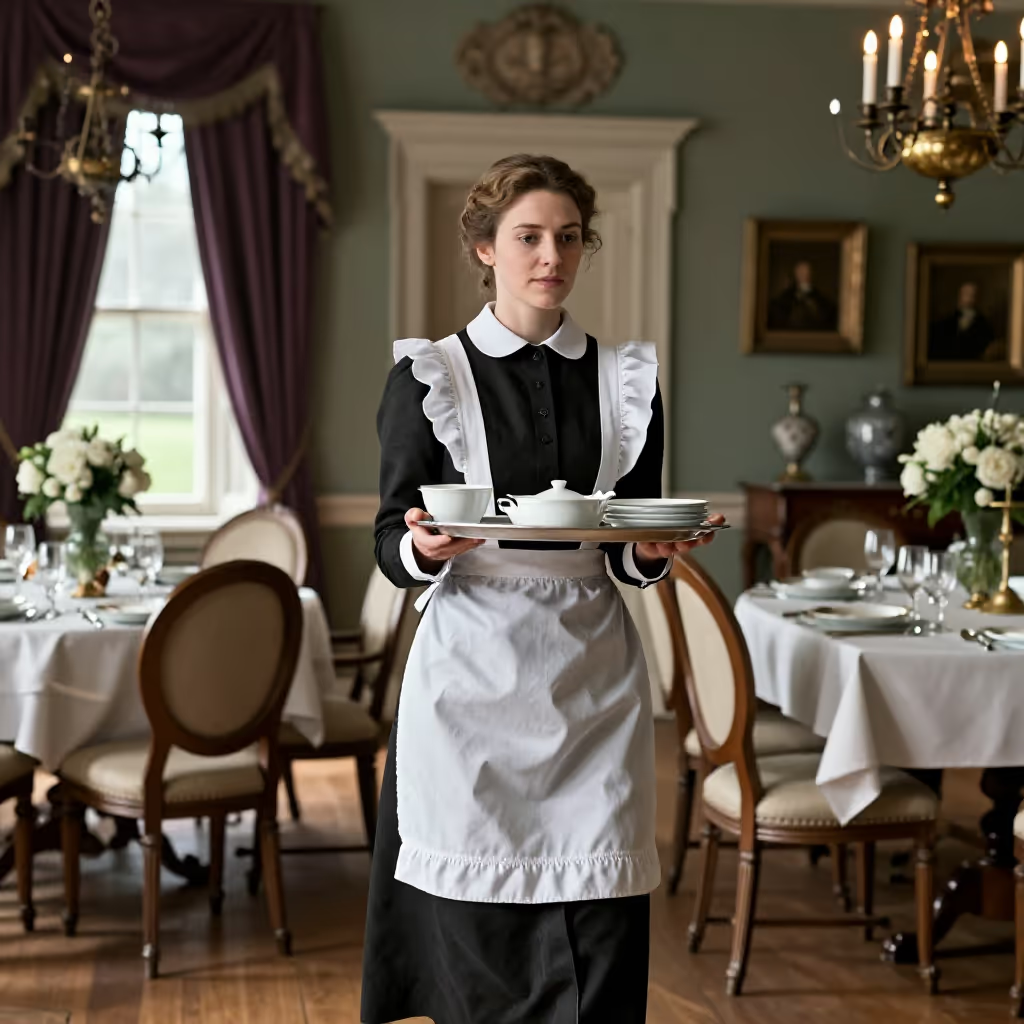
Usage tips
Historical context
The word 'Magd' (maid) is outdated and is no longer used for occupations today. You find it almost only in historical texts, fairy tales, or films set in the past.
EXAMPLE
Im Märchen hilft die fleißige Magd der Prinzessin.
In the fairy tale, the hardworking maid helps the princess.
Social role
Historically, a 'Magd' (maid) was usually a young, unmarried woman who lived in her employer's household or on their farm and did heavy physical work there. The term describes a fixed social position in earlier society.
EXAMPLE
Die Magd stand früh auf, um die Tiere zu füttern.
The maid got up early to feed the animals.
Typical activities
In stories, a 'Magd' (maid) is often associated with typical rural or domestic work. This includes verbs such as 'melken' (to milk), 'kochen' (to cook), 'putzen' (to clean), or 'dem Herrn dienen' (to serve the master).
EXAMPLE
Die alte Geschichte erzählt von einer Magd, die im Stall arbeitete.
The old story tells of a maid who worked in the stable.
Compare with
near_synonym · confusable
Magd vs Knecht
farmhand / servant
'der Knecht' and 'die Magd' both belong in a historical context. Both refer to people who did physical work on a farm or in a household. The most important difference is gender: 'der Knecht' is male, 'die Magd' is female. Both words are outdated today and usually do not sound modern in normal conversations. They are easy to confuse because they describe similar work and a similar social role. In stories or historical texts, however, the distinction is important.
Magd
Am Morgen holt die Magd Wasser aus dem Brunnen.
In the morning, the maid fetches water from the well.
Knecht
Im Roman bringt der Knecht die schweren Säcke in die Scheune.
In the novel, the farmhand carries the heavy sacks into the barn.