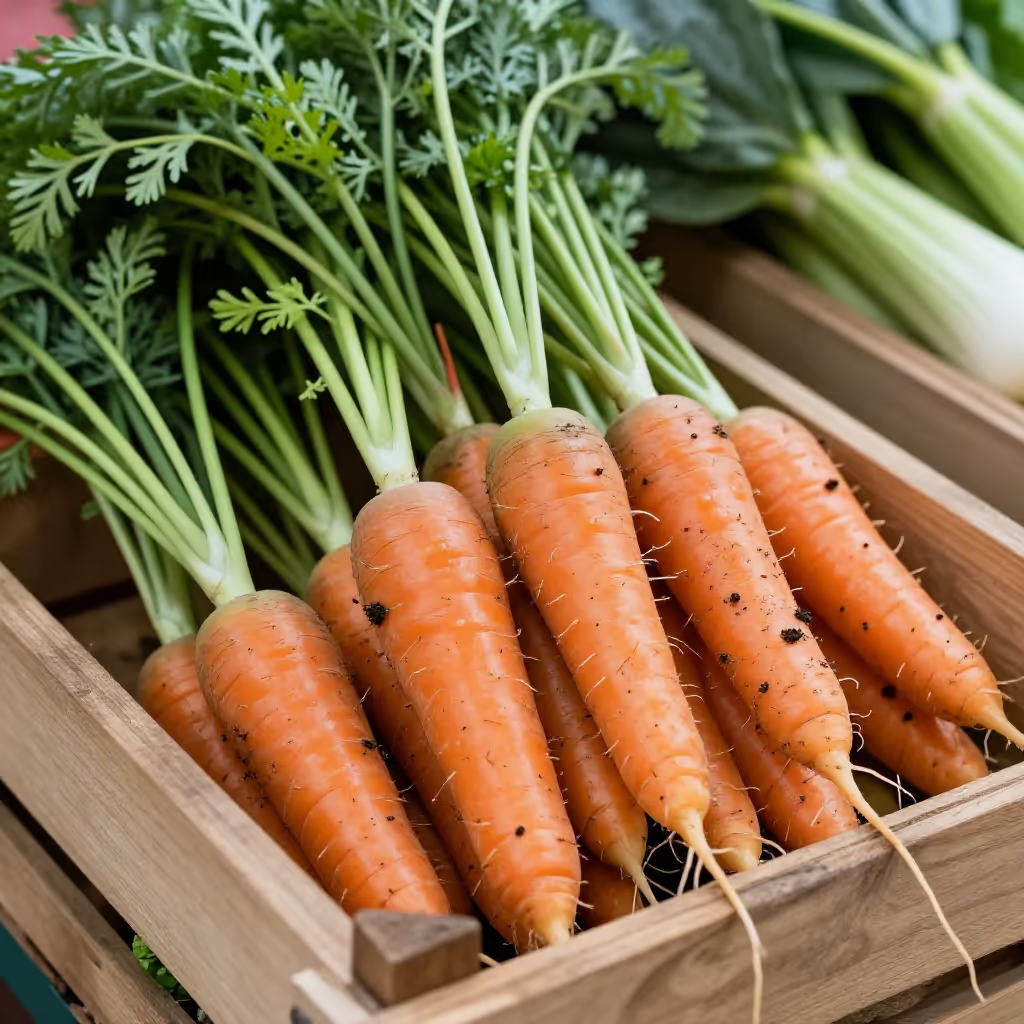
A long, orange root that is eaten as a vegetable. Regionally and in botany, it is also known as 'Karotte' (carrot), 'Mohrrübe' (carrot), or 'Gelbe Rübe' (yellow turnip/carrot).
example
Für den Eintopf schneide ich noch eine Möhre und etwas Sellerie klein.
For the stew, I'll chop up another carrot and some celery.
Usage tips
Typical verbs
In connection with the vegetable, 'Möhre' (carrot) is often combined with verbs for preparation. Typical phrases are: 'Möhren schälen' (to peel carrots), 'schneiden' (to cut), 'raspeln' (to grate), or 'kochen' (to cook).
EXAMPLE
Für den Salat musst du die Möhren nur waschen und raspeln.
For the salad, you only need to wash and grate the carrots.
Regional usage
The word 'Möhre' for the orange root is used mainly in northern and central Germany. It is a good example of how terms for foods can vary regionally in Germany.
EXAMPLE
Auf dem Wochenmarkt in Hamburg habe ich frische Möhren gekauft.
At the weekly market in Hamburg, I bought fresh carrots.
Colloquial meaning
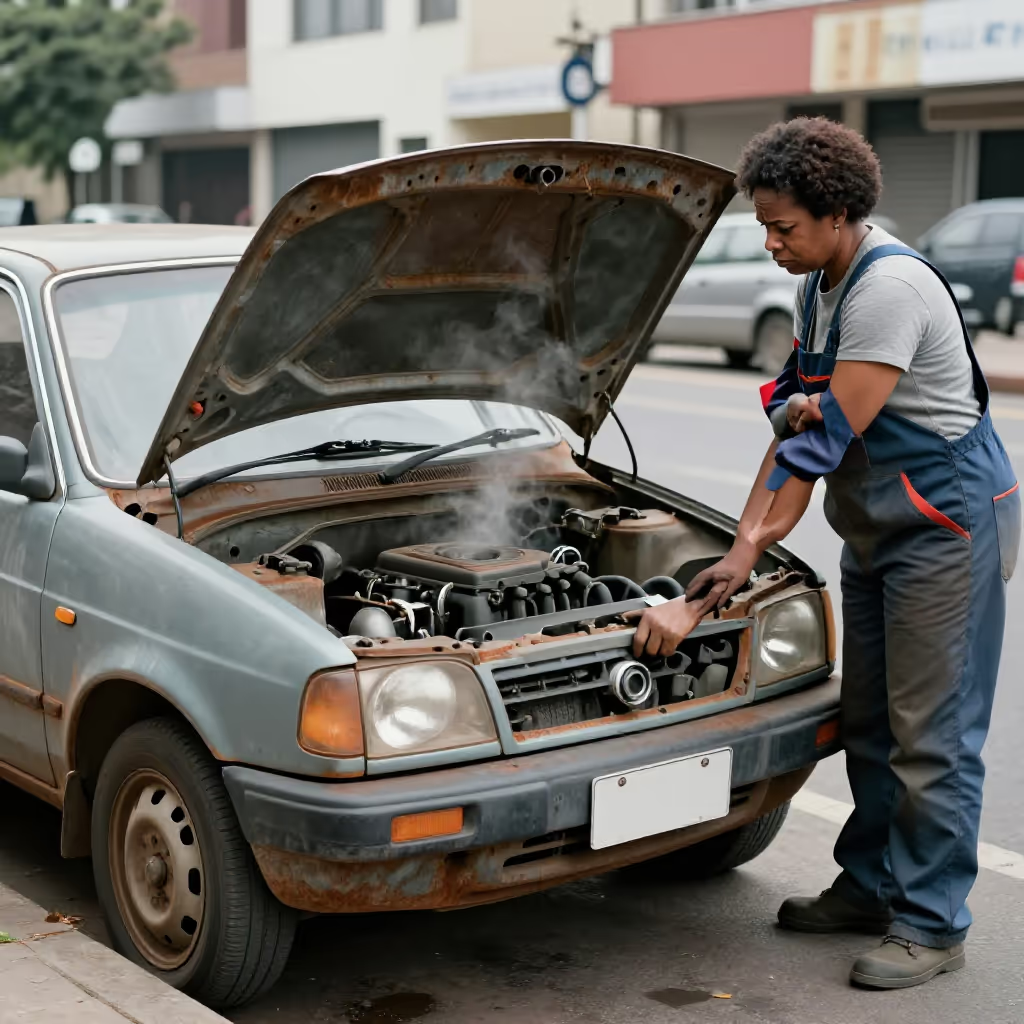
When 'Möhre' refers to an old vehicle or device, it is always meant colloquially and slightly derogatorily. It is used to express that something is old, slow, or unreliable.
EXAMPLE
Mein alter Computer ist so eine lahme Möhre, ich brauche dringend einen neuen.
My old computer is such a slow old banger; I urgently need a new one.
Sentence structure of the idiom
The idiom 'jemandem eine Möhre vor die Nase halten' (to dangle a carrot in front of someone) has a fixed structure. The person being lured is always in the dative.
EXAMPLE
Man hat ihm eine Beförderung als Möhre vor die Nase gehalten, damit er das Projekt übernimmt.
They dangled a promotion in front of him as a carrot so that he would take on the project.
Compare with
synonym
Möhre vs Karotte
carrot
'die Karotte' and 'die Möhre' mean the same thing as vegetables: the orange root that can be eaten raw or cooked. The difference is mainly in regional usage. In some areas, people say 'Karotte' more often; in others, 'Möhre' is more common. Both words are understandable and correct in everyday language. When you are only talking about the vegetable, they can usually be used interchangeably.
Möhre
Ich schneide eine Möhre klein und gebe sie in den Salat.
I chop up a carrot and add it to the salad.
Karotte
Im Supermarkt kauft du noch eine Karotte für die Suppe.
At the supermarket, you buy one more carrot for the soup.