

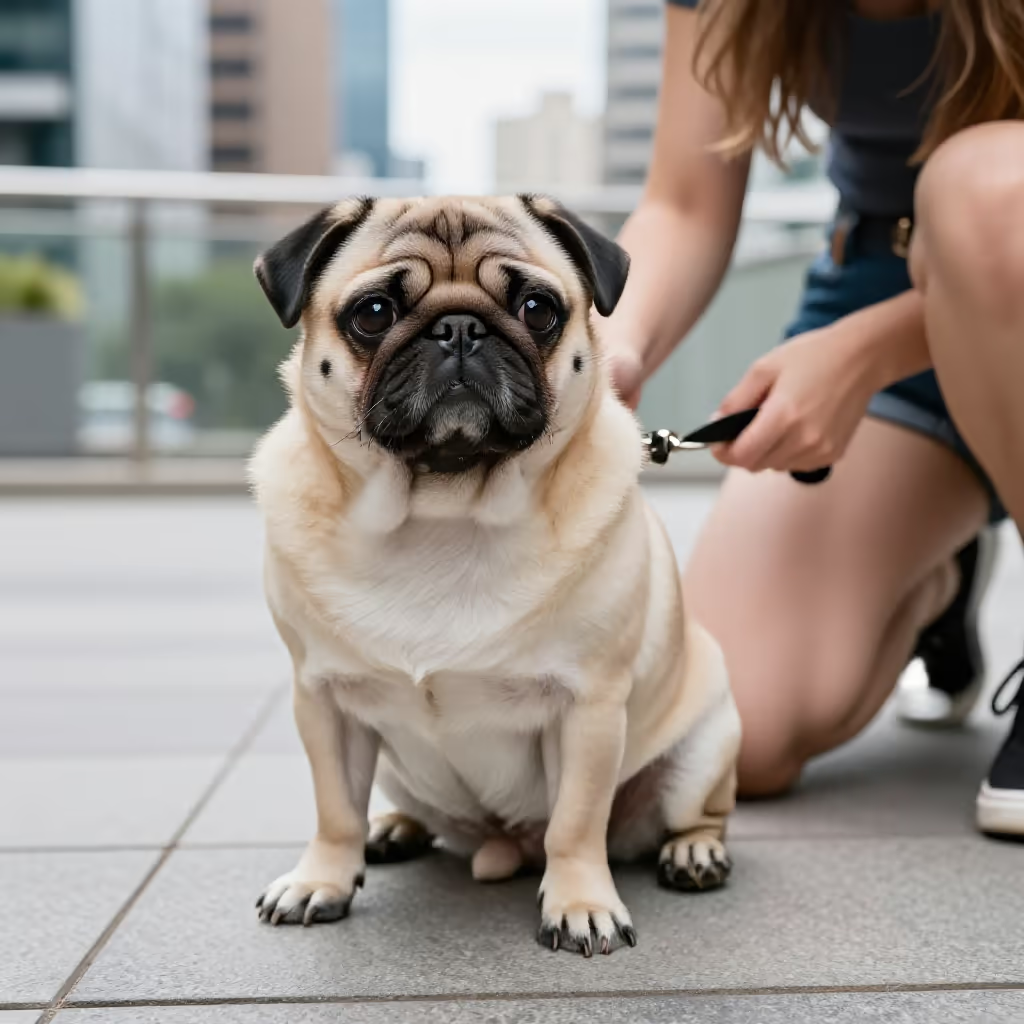
der Mops
pug
A breed of small dog known for its wrinkled face, short snout, and curled tail.
EXAMPLE
Ihr Mops schnarcht immer ganz leise, wenn er auf dem Sofa schläft.
Her pug always snores very quietly when he sleeps on the sofa.
pug / dough
Loading your saved state.
pug
A breed of small dog known for its wrinkled face, short snout, and curled tail.
Ihr Mops schnarcht immer ganz leise, wenn er auf dem Sofa schläft.
Her pug always snores very quietly when he sleeps on the sofa.
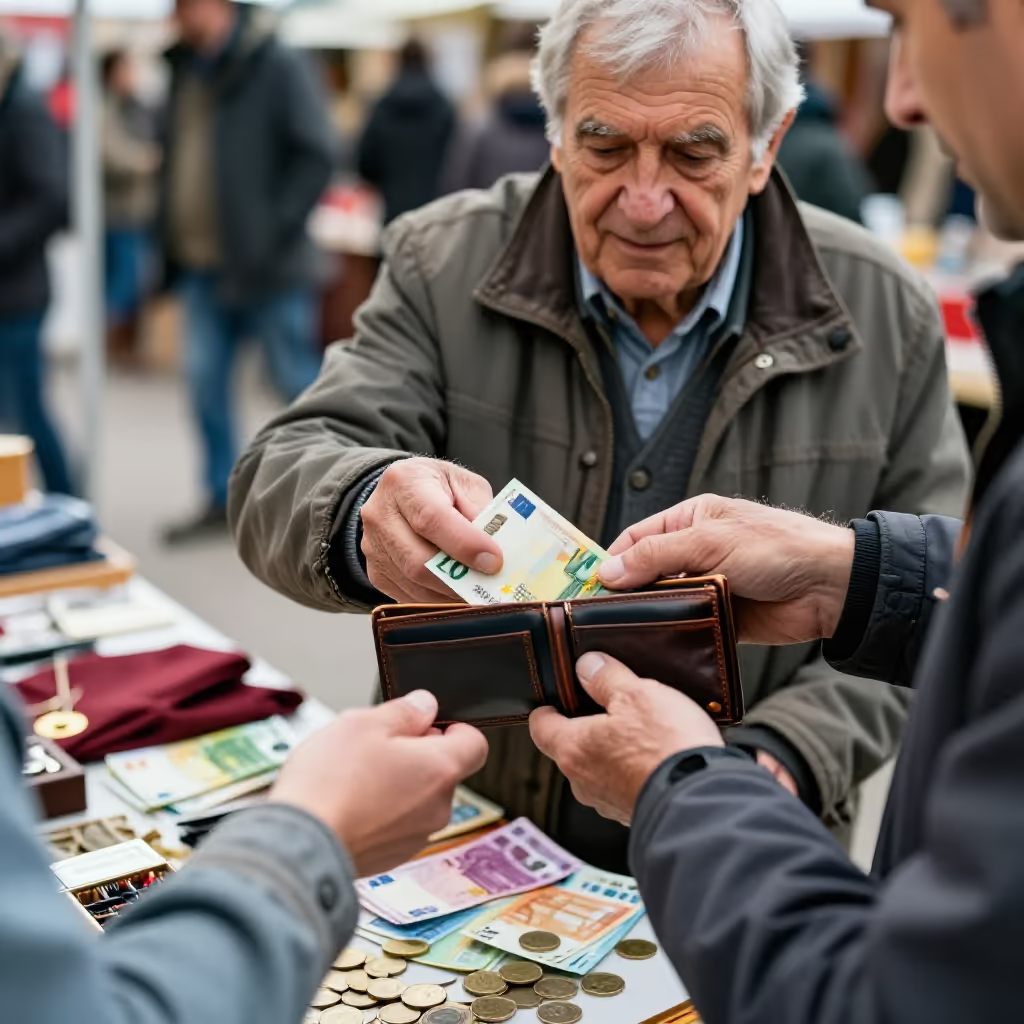
dough
A colloquial, somewhat outdated expression for money.
Hast du noch etwas Mops für die Kinokarten dabei?
Do you still have some dough with you for the movie tickets?
The use of 'Mops' (dough/money) for 'Geld' (money) is purely colloquial and is considered somewhat outdated. Today, you hear it only rarely, mostly from older speakers or in a joking tone.
Ohne Mops ist hier nichts los, sagte mein Opa immer.
Without dough, nothing's happening here, my grandpa always used to say.
You can easily recognize the meaning 'Geld' (money) from the context. If it is about paying, buying, or finances, it does not mean the dog.
Das neue Fahrrad kostet ganz schön viel Mops.
That new bike costs quite a lot of dough.
Typical phrases are 'keinen Mops haben' (to have no money) or 'ordentlich Mops kosten' (to be very expensive).
Ich kann nicht mit ins Kino kommen, ich habe leider keinen Mops mehr.
I can't come to the movies; unfortunately, I don't have any dough left.
moss / cash
Both words can colloquially mean money. Moos is the more common informal term, while Mops is also possible but sounds somewhat old-fashioned and is therefore less common. In everyday German today, Moos is usually the better choice; Mops is more likely to be understood in older or deliberately colloquial speech.
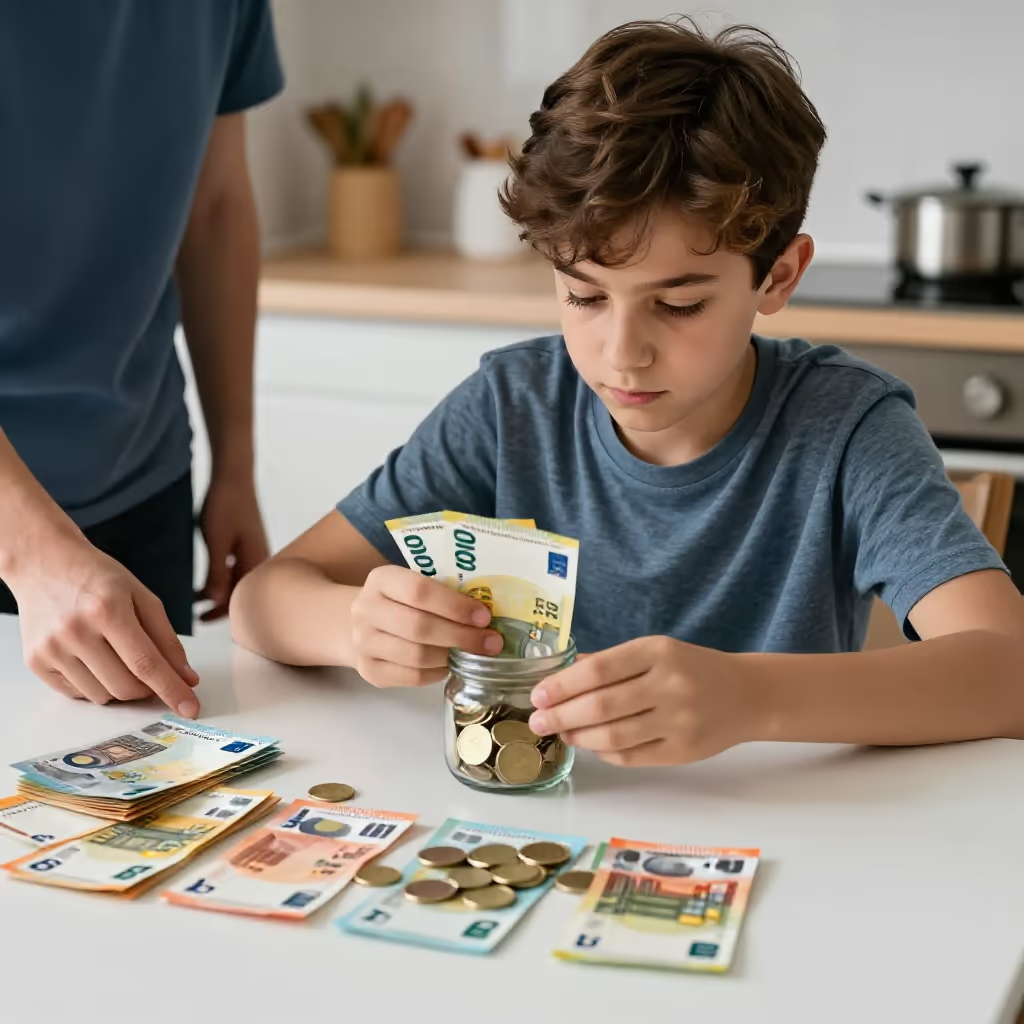
Für das Konzert fehlt ihm noch etwas Mops, wie sein Großvater früher sagte.
He still needed some dough for the concert, as his grandfather used to say.
Für das Konzert fehlt mir noch etwas Moos.
I still need some cash for the concert.