

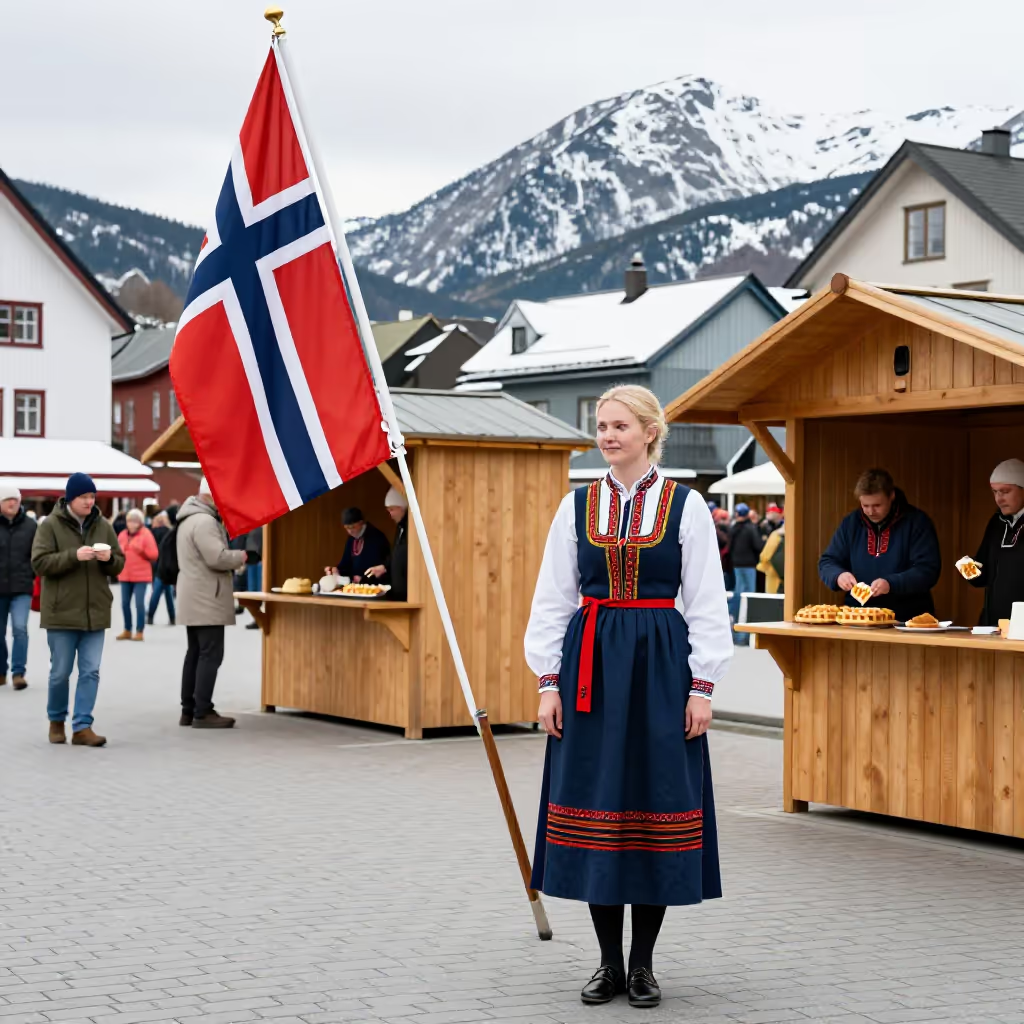
norwegisch
Norwegian
Relating to Norway, its inhabitants, its culture, or its language.
EXAMPLE
Der norwegische Lachs ist für seine hohe Qualität bekannt.
Norwegian salmon is known for its high quality.
Norwegian
Loading your saved state.
Norwegian
Relating to Norway, its inhabitants, its culture, or its language.
Der norwegische Lachs ist für seine hohe Qualität bekannt.
Norwegian salmon is known for its high quality.
Adjectives that describe a nationality are often formed in German by adding the ending '-isch' to the name of the country, here: 'Norwegen' (Norway).
Wir haben unseren Urlaub in einem kleinen norwegischen Dorf verbracht.
We spent our vacation in a small Norwegian village.
Unlike in English, adjectives for nationalities are written in lowercase in German when they stand before a noun.
Sie trägt einen warmen norwegischen Pullover.
She is wearing a warm Norwegian sweater.
The adjective 'norwegisch' (Norwegian), written in lowercase, describes a thing. The language itself is referred to as the noun 'das Norwegisch' or simply 'Norwegisch' (Norwegian), written with a capital letter.
Das ist eine norwegische Zeitung.
That is a Norwegian newspaper.
Nordic
Nordisch and norwegisch can both refer to culture in northern Europe. Norwegisch refers exclusively to Norway, while nordisch encompasses several countries in the region. Use norwegisch for a single country and nordisch for something shared across countries.
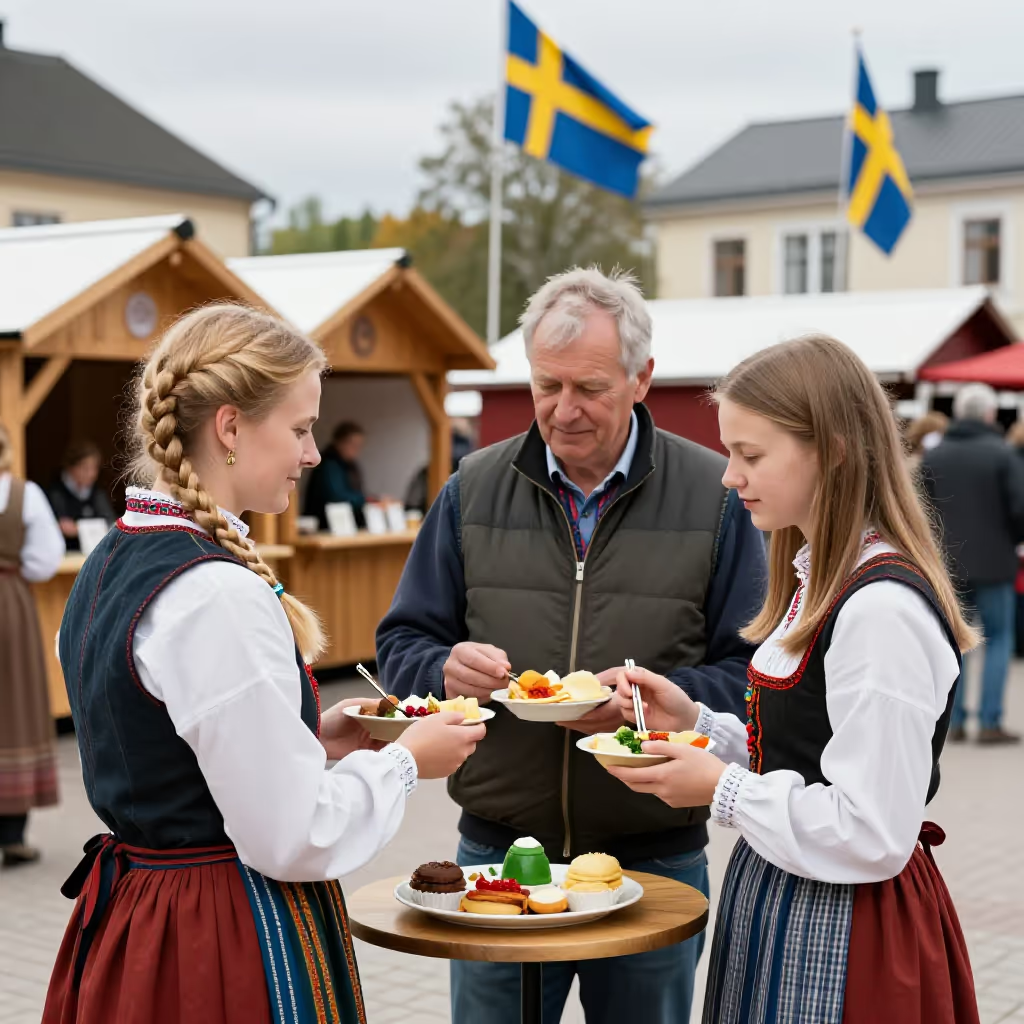
Das Festival zeigt norwegische Musik aus verschiedenen Teilen Norwegens.
The festival features Norwegian music from various parts of Norway.
Das Festival zeigt nordische Musik aus Norwegen, Schweden und Finnland.
The festival features Nordic music from Norway, Sweden, and Finland.