

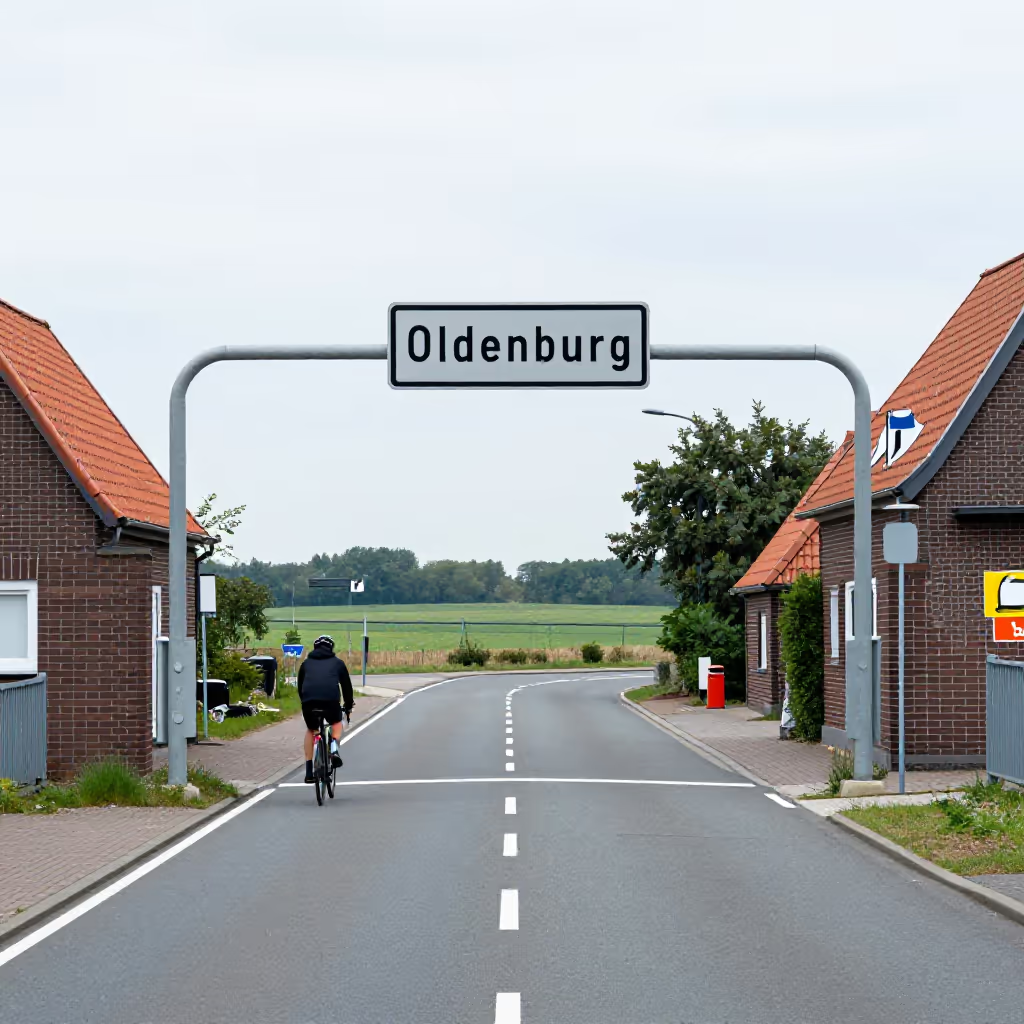
Refers to origin from the city or former state of Oldenburg. It is used as an invariable adjective before a noun.
example
Der Oldenburger Grünkohl ist eine überregional bekannte Spezialität.
Oldenburg kale is a specialty known beyond the region.
Usage tips
Word formation: origin
Adjectives derived from the name of a city and ending in '-er' indicate origin. This pattern is very common, e.g. 'Hamburger' (from Hamburg), 'Berliner' (from Berlin), 'Kölner' (from Cologne).
EXAMPLE
Die Bremer Stadtmusikanten sind ein bekanntes Märchen.
The Bremen Town Musicians are a well-known fairy tale.
Grammar: invariable
Adjectives ending in '-er' that are derived from a place are not declined. The form 'oldenburger' always stays the same, regardless of the noun's gender, case, or number.
EXAMPLE
Er kaufte ein altes oldenburger Bauernhaus.
He bought an old Oldenburg farmhouse.
Use as a noun
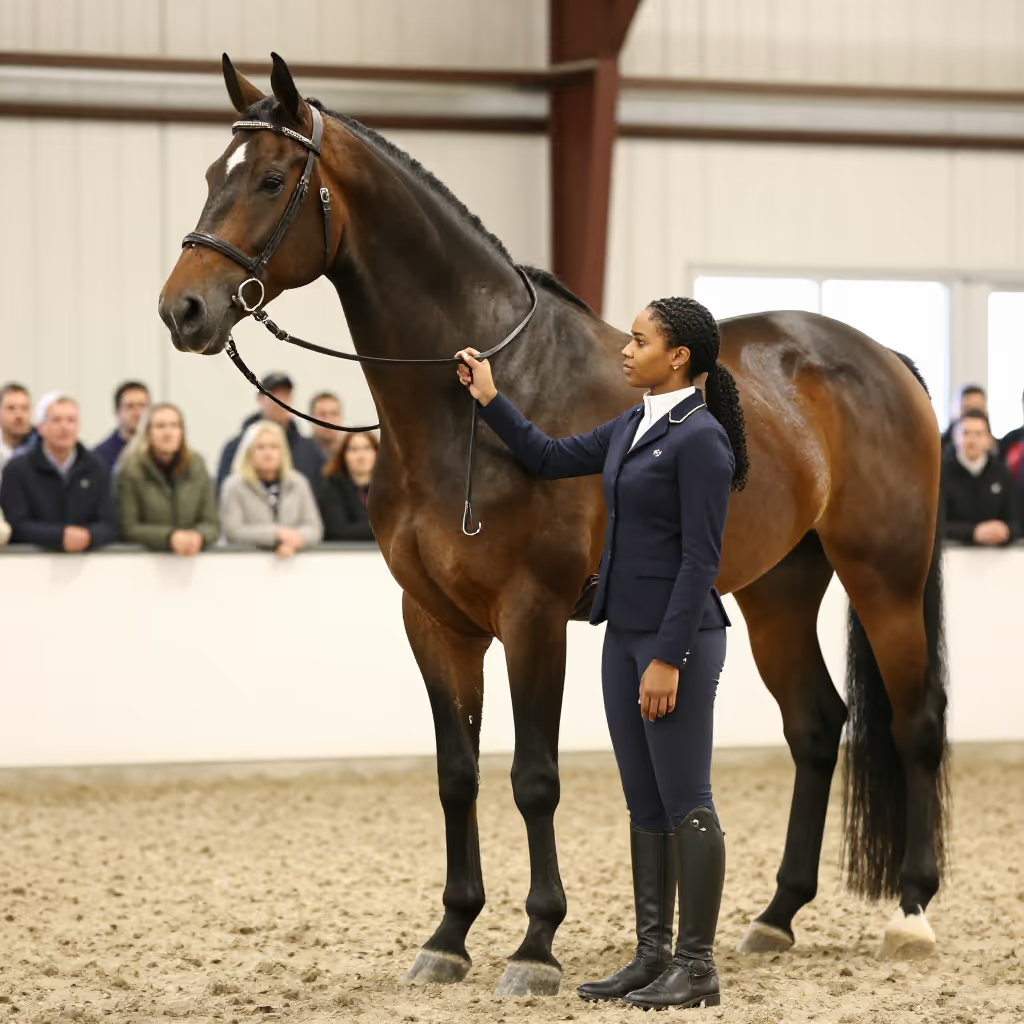
When referring to the horse breed, 'Oldenburger' can also be used as a noun. It is then capitalized and declined.
EXAMPLE
Auf der Koppel stehen mehrere Oldenburger.
There are several Oldenburgers standing in the paddock.