

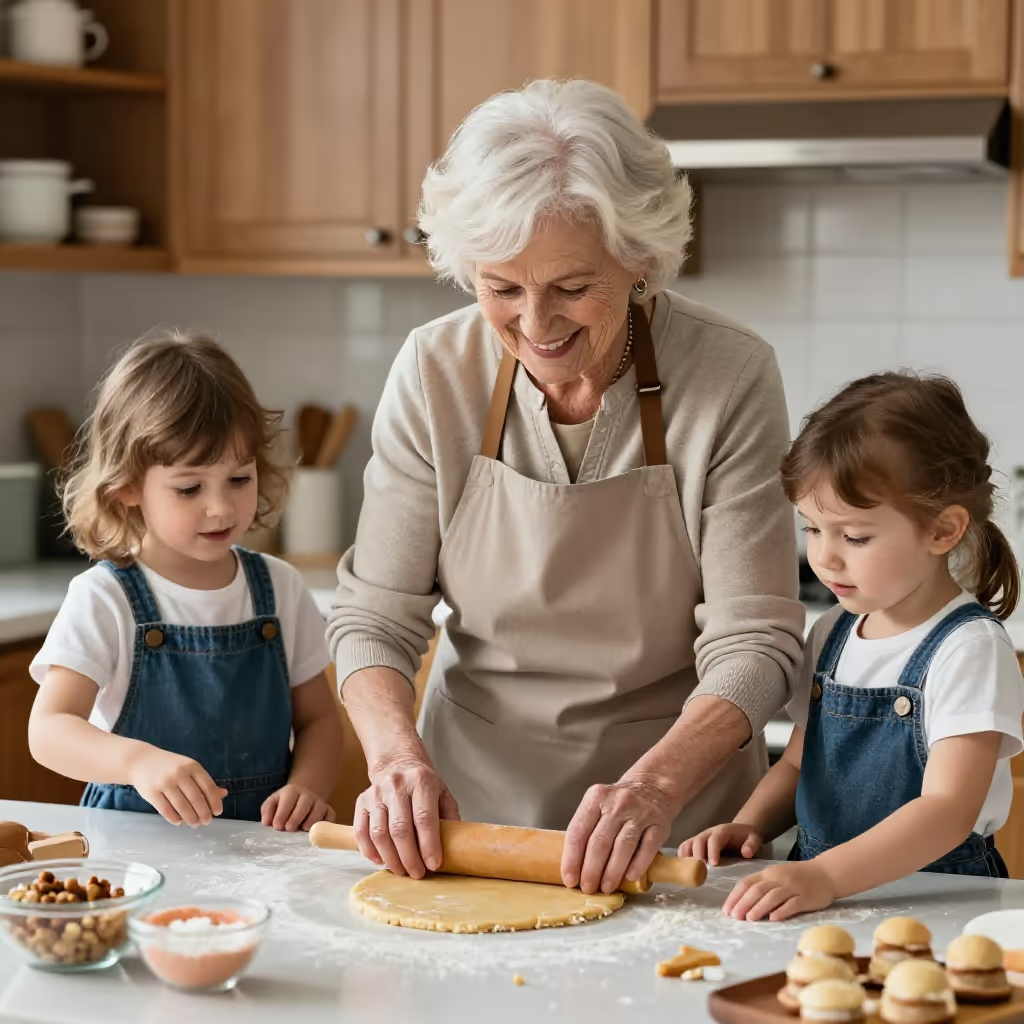
die Oma
grandma
A colloquial and common term for a grandmother, that is, the mother of one's father or mother.
EXAMPLE
Jeden Sonntag essen wir bei meiner Oma zu Mittag.
Every Sunday we have lunch at my grandma's.
grandma
Loading your saved state.
grandma
A colloquial and common term for a grandmother, that is, the mother of one's father or mother.
Jeden Sonntag essen wir bei meiner Oma zu Mittag.
Every Sunday we have lunch at my grandma's.
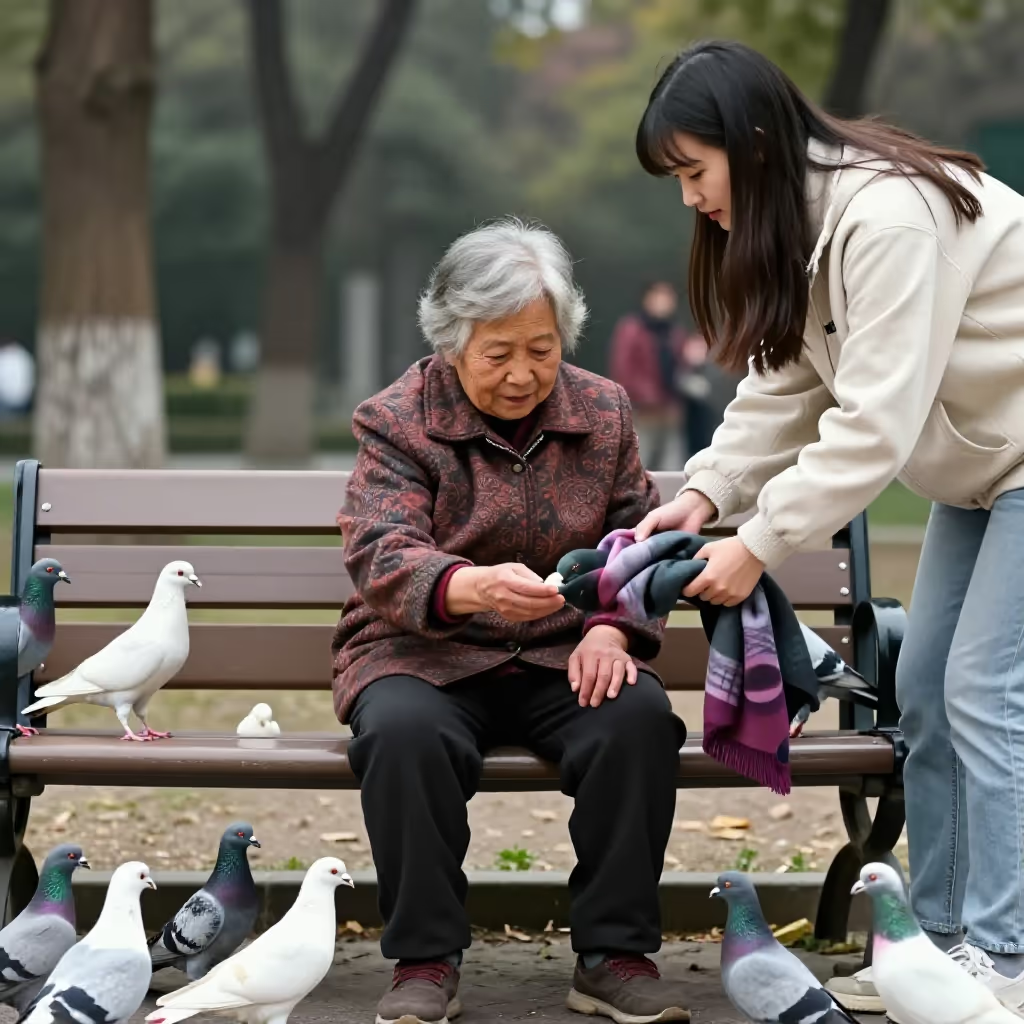
old lady
A colloquial, often affectionate or generalizing term for any older woman.
Eine nette Oma hat mir im Supermarkt geholfen, die obere Dose aus dem Regal zu holen.
A nice old lady helped me in the supermarket get the top can down from the shelf.
'Oma' (grandma) is the usual affectionate term in everyday life and within the family. The word 'Großmutter' (grandmother) is more formal and is used more in written or official contexts.
Meine Oma backt den besten Kuchen der Welt.
My grandma bakes the best cake in the world.
When talking about your own grandmother, 'Oma' (grandma) is often used like a name without an article, especially after prepositions.
Ich fahre am Wochenende zu Oma.
I'm going to Grandma's this weekend.
The article helps distinguish the meaning. 'Meine Oma' (my grandma) is one's own grandmother. 'Eine Oma' (an old lady/a grandma), on the other hand, often describes any unknown older woman.
Meine Oma kommt heute zu Besuch.
My grandma is coming to visit today.
grandmother
Oma and Großmutter refer to the same relative. Oma sounds colloquial and familiar and is especially suitable in personal conversations. Großmutter is more neutral and can also be used in formal or factual contexts.
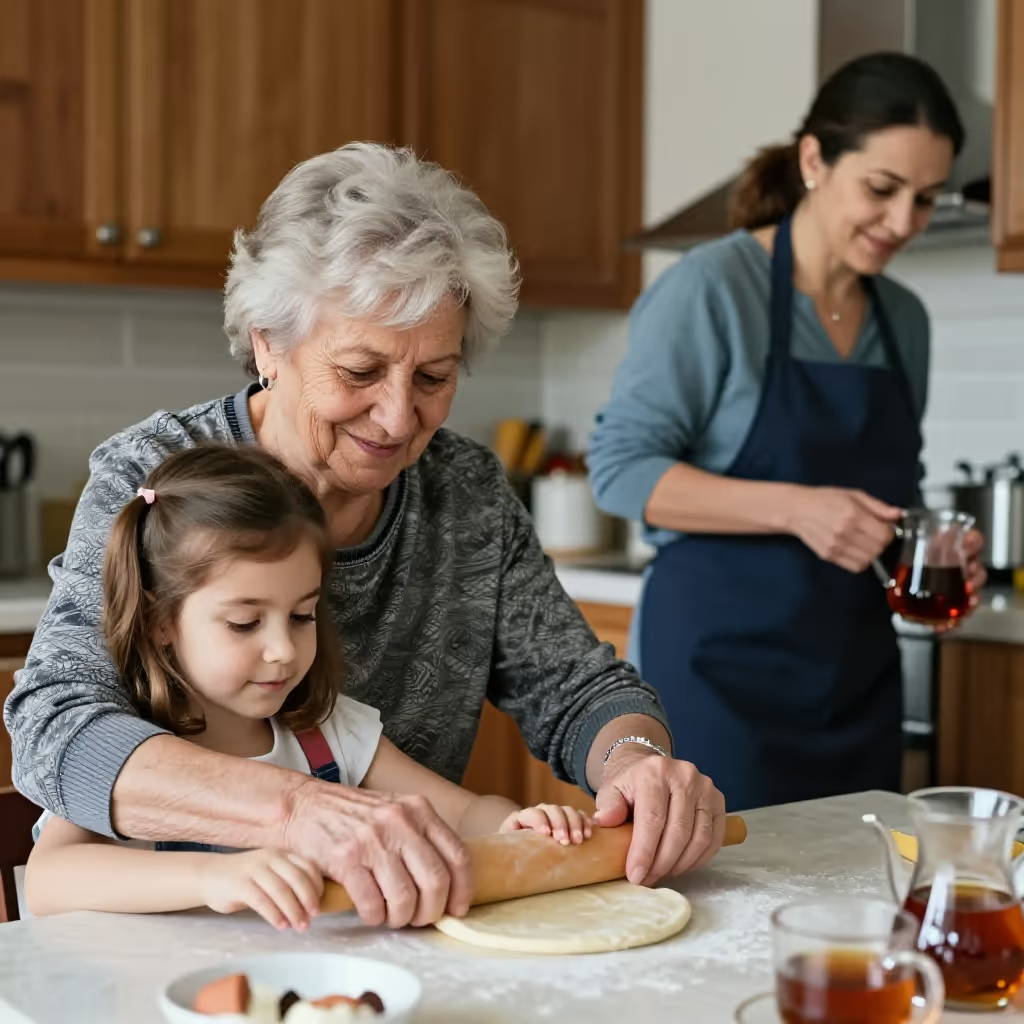
Meine Oma holt mich heute von der Schule ab.
My grandma is picking me up from school today.
Im Formular trug ich den Namen meiner Großmutter ein.
I entered my grandmother's name on the form.