

paddeln
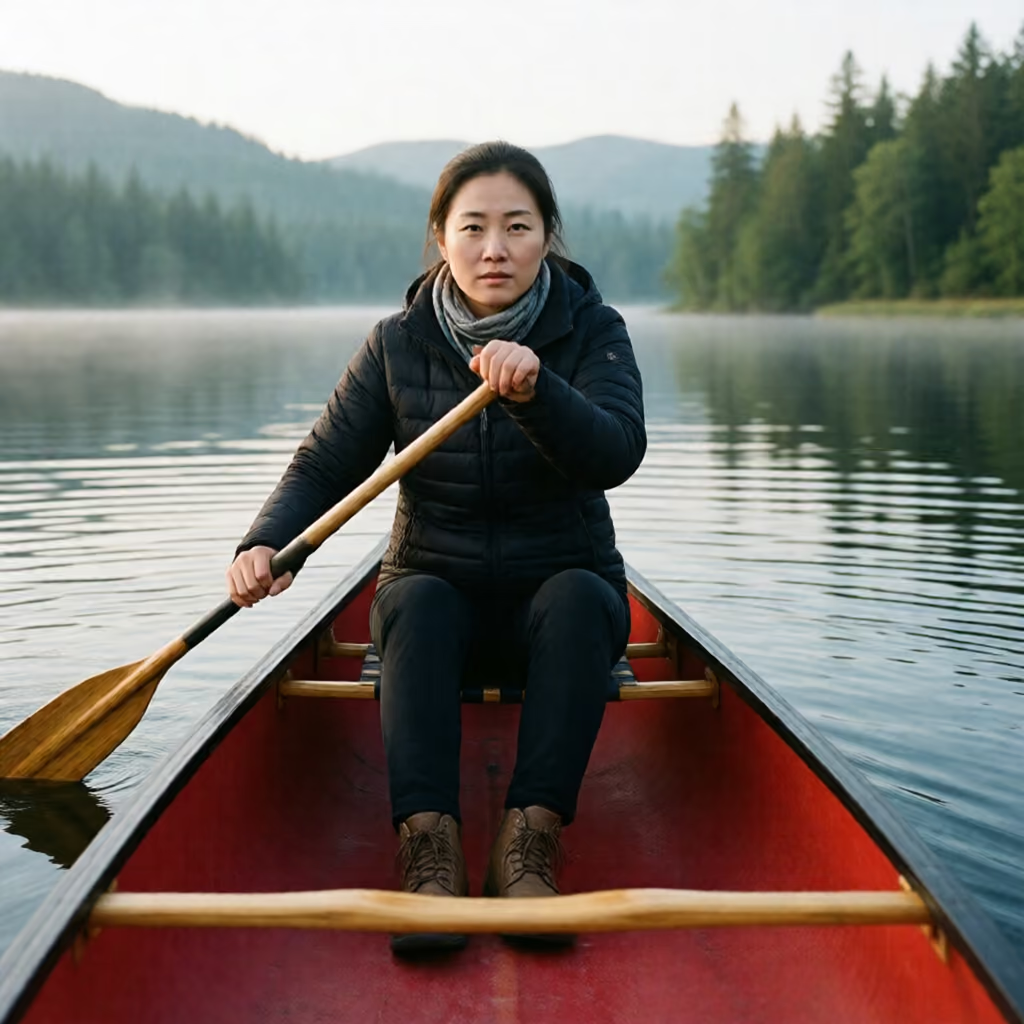
to paddle
To move a boat through the water with a paddle or to travel in such a boat.
EXAMPLE
Am Wochenende paddeln wir auf dem See.
We’re paddling on the lake this weekend.
to paddle
paddeln – paddelte – ist gepaddelt
Loading your saved state.
to paddle
To move a boat through the water with a paddle or to travel in such a boat.
Am Wochenende paddeln wir auf dem See.
We’re paddling on the lake this weekend.
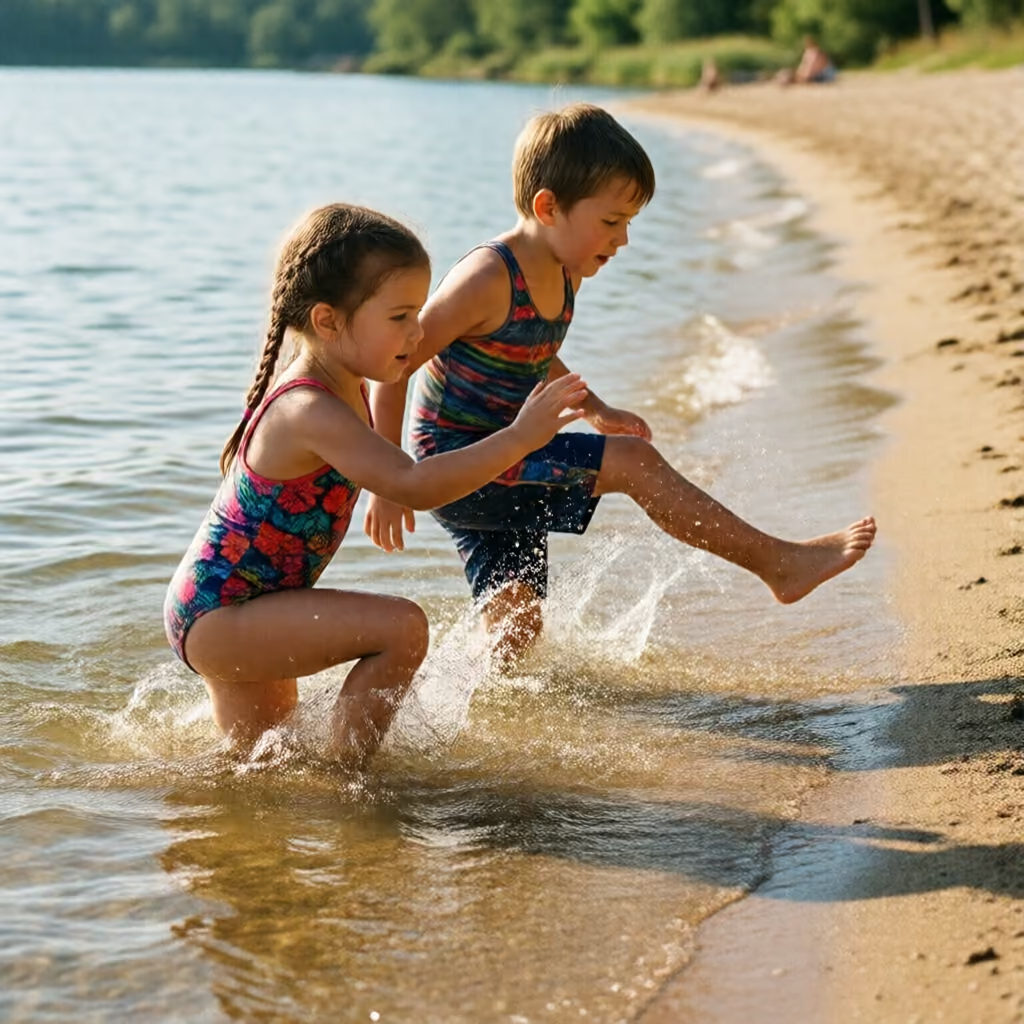
to paddle / splash
To move your arms and legs quickly back and forth in the water in order to move forward or stay afloat.
Die Kinder paddeln im flachen Wasser herum.
The children are paddling around in the shallow water.
| ich | paddle paddele |
|---|---|
| du | paddelst |
| er/sie/es | paddelt |
| wir | paddeln |
| ihr | paddelt |
| sie | paddeln |
| ich | paddelte |
|---|---|
| du | paddeltest |
| er/sie/es | paddelte |
| wir | paddelten |
| ihr | paddeltet |
| sie | paddelten |
| ich | bin gepaddelt |
|---|---|
| du | bist gepaddelt |
| er/sie/es | ist gepaddelt |
| wir | sind gepaddelt |
| ihr | seid gepaddelt |
| sie | sind gepaddelt |
| du | paddle! paddele!, paddel! |
|---|---|
| ihr | paddelt! |
| Sie | paddeln Sie! |
| ich | war gepaddelt |
|---|---|
| du | warst gepaddelt |
| er/sie/es | war gepaddelt |
| wir | waren gepaddelt |
| ihr | wart gepaddelt |
| sie | waren gepaddelt |
| ich | werde paddeln |
|---|---|
| du | wirst paddeln |
| er/sie/es | wird paddeln |
| wir | werden paddeln |
| ihr | werdet paddeln |
| sie | werden paddeln |
| ich | paddele paddle |
|---|---|
| du | paddelst paddlest |
| er/sie/es | paddele paddle |
| wir | paddeln |
| ihr | paddelt paddlet |
| sie | paddeln |
Used for reported speech.
| ich | paddelte |
|---|---|
| du | paddeltest |
| er/sie/es | paddelte |
| wir | paddelten |
| ihr | paddeltet |
| sie | paddelten |
Used for wishes and “would”.
| infinitive | paddeln |
|---|---|
| with zu | zu paddeln |
| present participle | paddelnd |
| past participle | gepaddelt |
In “paddeln” (to paddle), you can recognize the noun “Paddel” (paddle), which refers to a tool used to move a boat. This connection helps you remember the word; however, the verb can also describe movements without this tool.
Der Hund paddelte mit den Vorderbeinen im Wasser.
The dog paddled with its front legs in the water.
With “auf” (on) and the dative, you can indicate which body of water someone is paddling on. With “über” (across) and the accusative, you describe a route from one side to the other.
Wir paddelten auf einem ruhigen Fluss.
We paddled on a calm river.
Am Nachmittag paddelten wir über den See zum anderen Ufer.
In the afternoon, we paddled across the lake to the other bank.
Common combinations include “wild paddeln” (to paddle wildly), “hektisch paddeln” (to paddle frantically), and “hilflos paddeln” (to paddle helplessly). They describe particularly restless or unsuccessful movements in the water.
Der kleine Hund paddelte hektisch im Wasser, bis ihn seine Besitzerin herausheben konnte.
The little dog paddled frantically in the water until its owner could lift it out.