

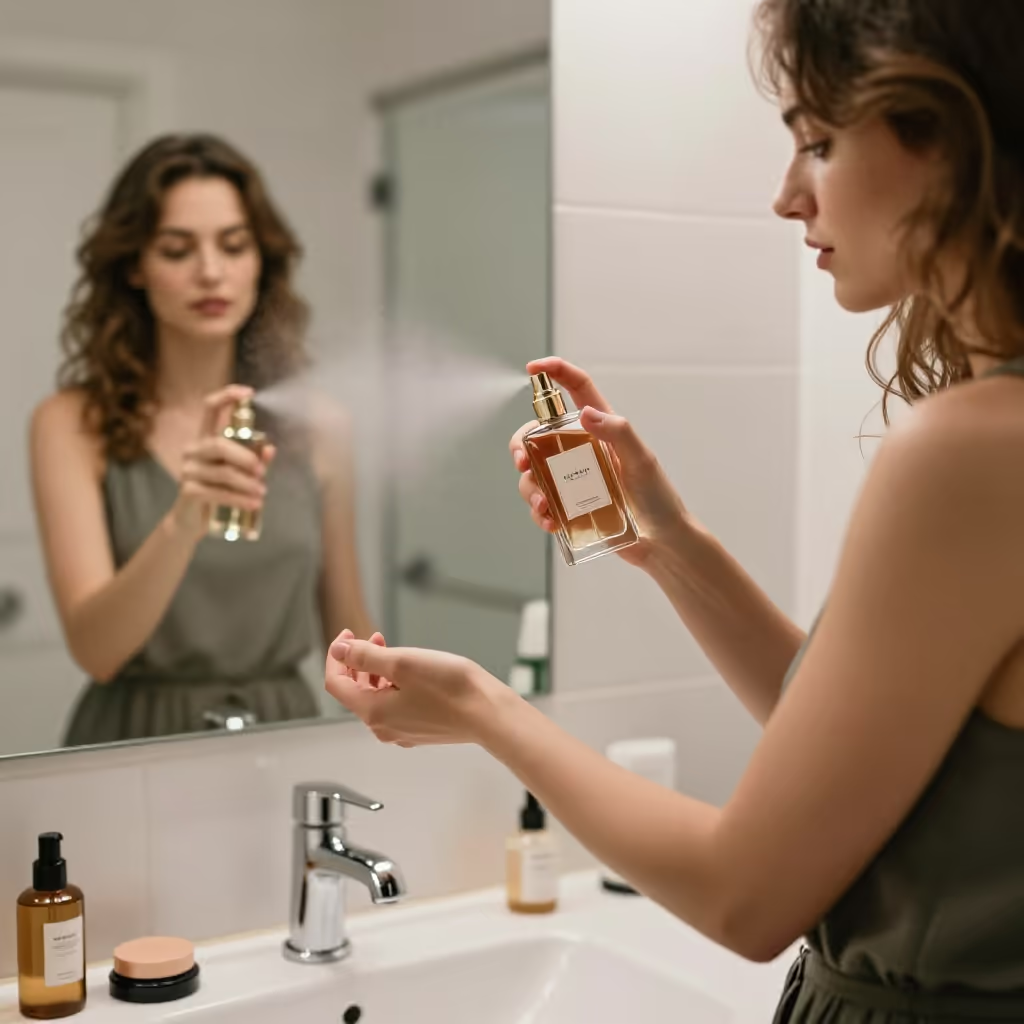
das Parfum
perfume
A pleasant-smelling liquid, usually alcohol-based, that is applied to the skin or clothing to spread a pleasant scent.
EXAMPLE
Zum Geburtstag wünsche ich mir ein neues Parfum.
For my birthday, I would like a new perfume.
perfume
Loading your saved state.
perfume
A pleasant-smelling liquid, usually alcohol-based, that is applied to the skin or clothing to spread a pleasant scent.
Zum Geburtstag wünsche ich mir ein neues Parfum.
For my birthday, I would like a new perfume.
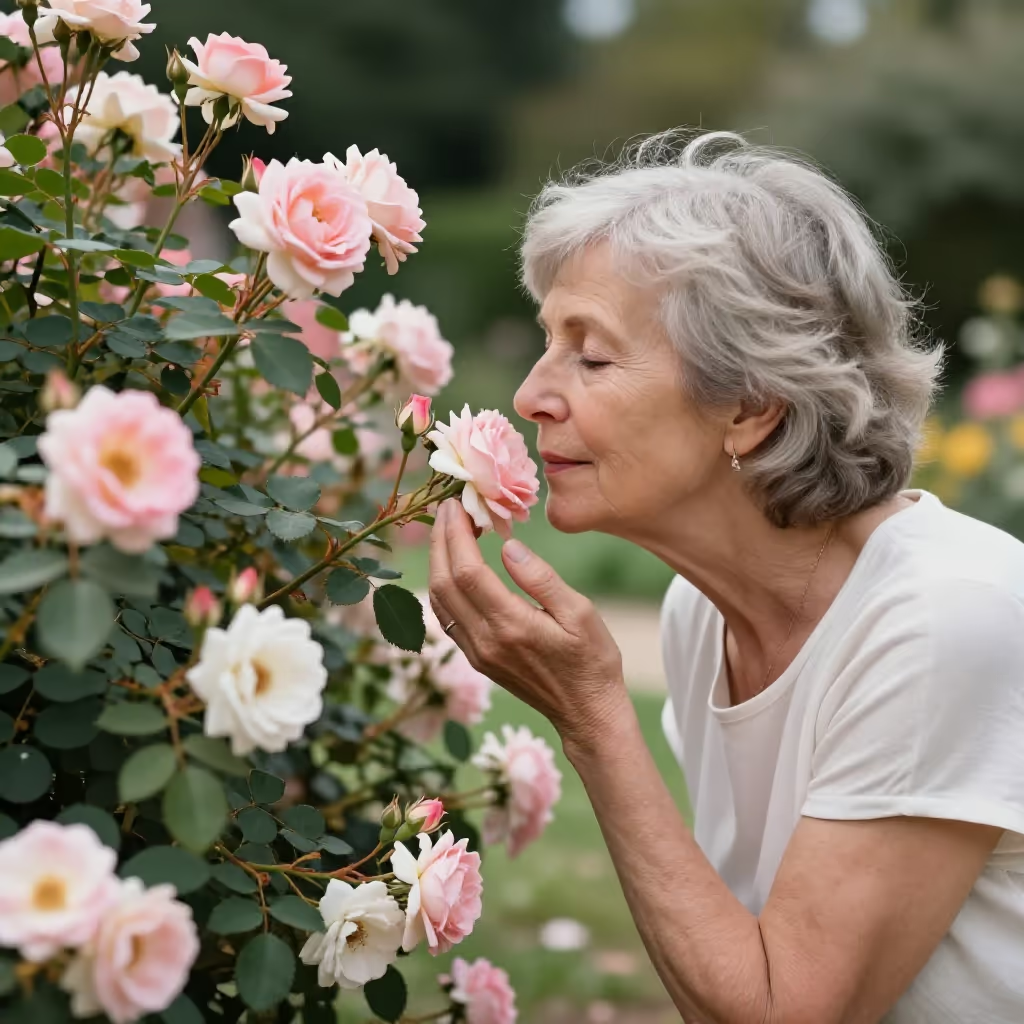
fragrance
The characteristic scent or smell of something, especially a person, a flower, or a dish.
Das Parfum der Rosen erfüllte den ganzen Garten.
The fragrance of the roses filled the whole garden.
'Parfum' (perfume) is a word from French. This explains the spelling, which is unusual for German, and the pronunciation modeled on French.
Sie liebt französische Parfums.
She loves French perfumes.
When referring to the liquid, the typical verbs are 'Parfum auftragen' (to apply perfume), 'Parfum benutzen' (to use perfume), or also 'ein Parfum tragen' (to wear a perfume).
Sie trägt heute ein sehr angenehmes Parfum.
She is wearing a very pleasant perfume today.
When 'Parfum' (fragrance) describes the scent of something, it often appears with the genitive or the preposition 'von' (of/from). In this case, it does not mean the liquid in a bottle, but the smell itself.
Ich liebe das Parfum von frisch gebackenem Brot.
I love the fragrance of freshly baked bread.
scent
Der Duft is the pleasant smell that you perceive. Das Parfum is usually the liquid applied to the skin or clothing that spreads this smell. Das Parfum is therefore the appropriate word for the liquid, and der Duft for its perceptible effect.
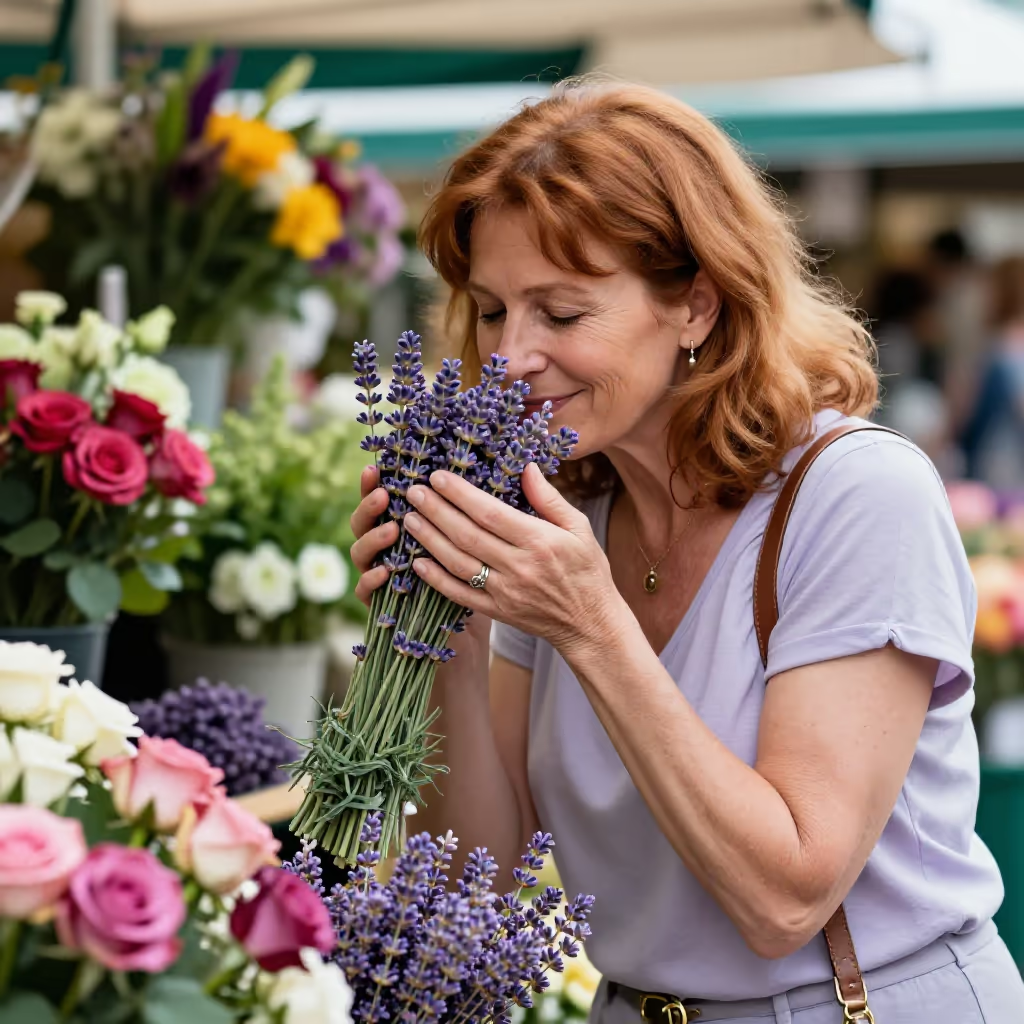
Sie sprüht ein angenehmes Parfum auf ihren Schal.
She sprays a pleasant perfume on her scarf.
Ein angenehmer Duft geht von ihrem Schal aus.
A pleasant scent comes from her scarf.