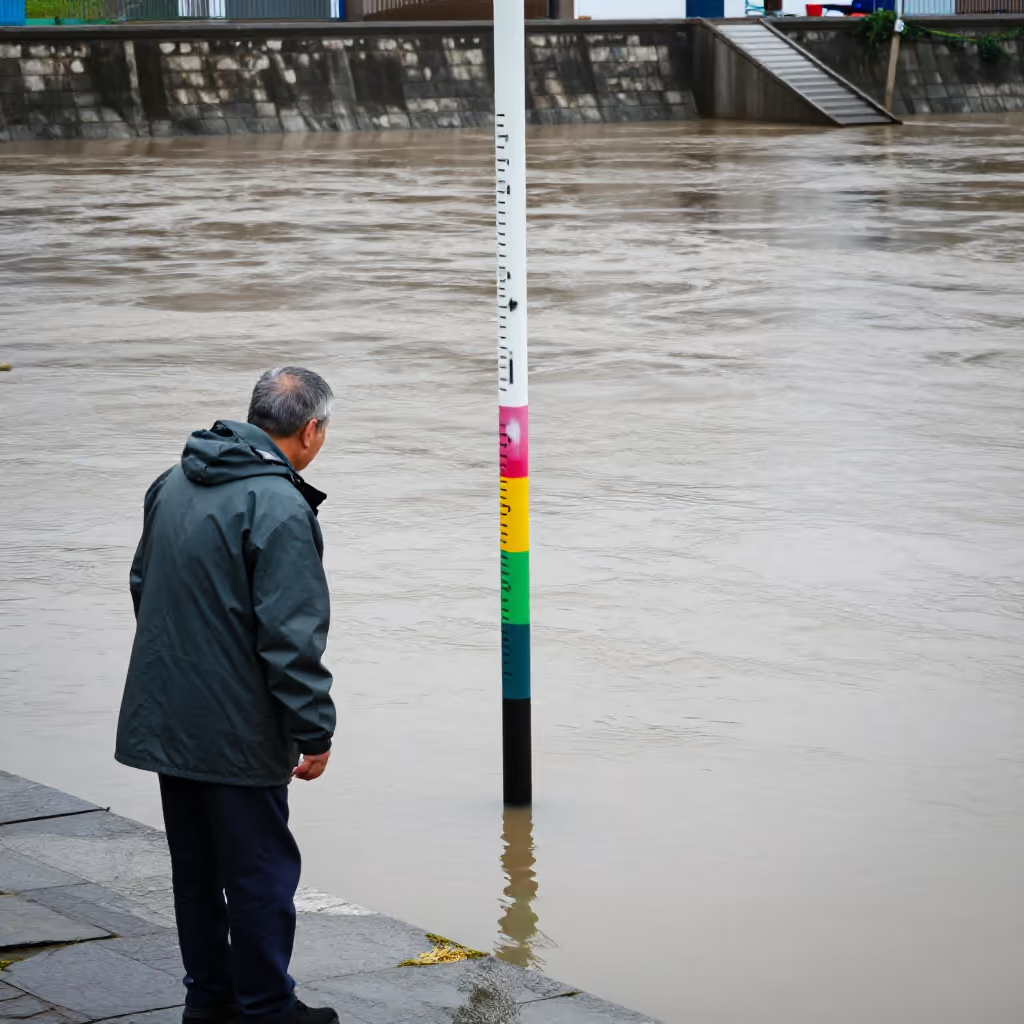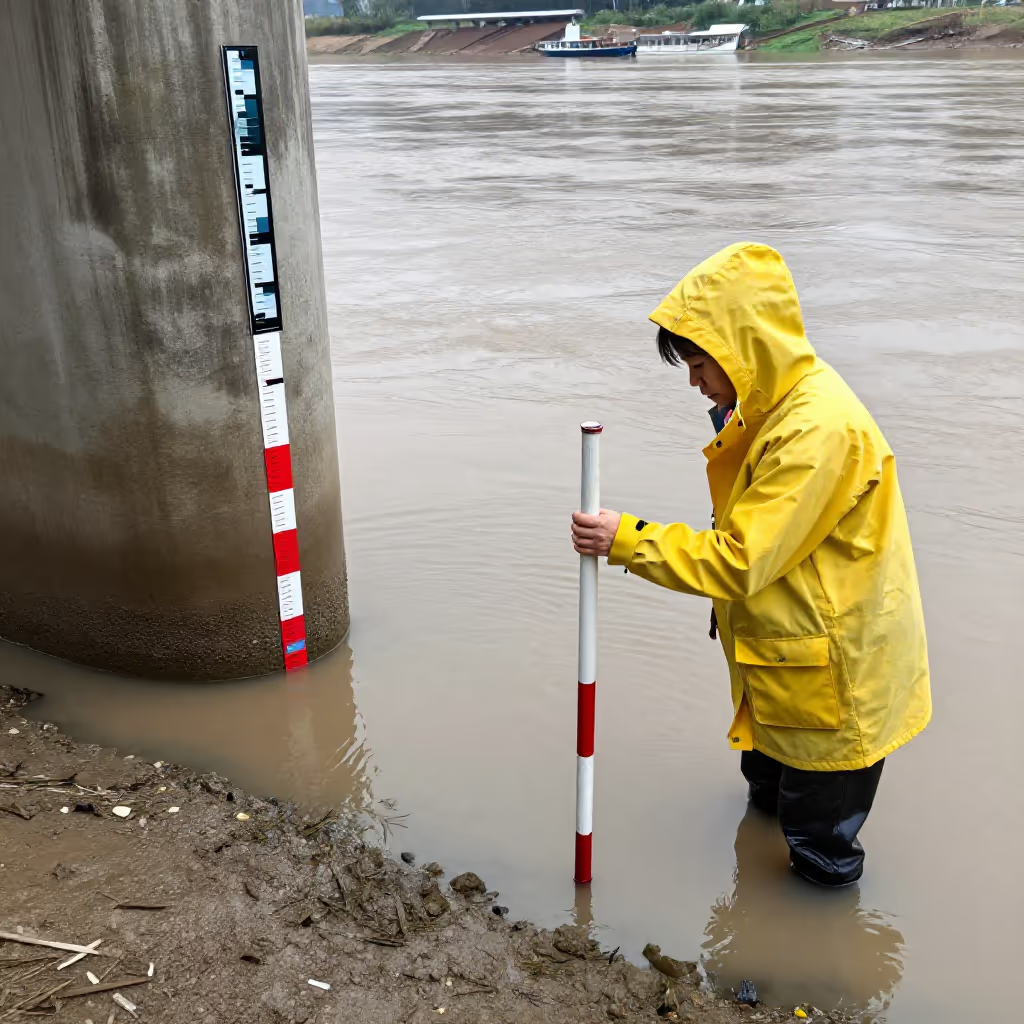
The water level of a river, lake, or another body of water, read from a measuring gauge.
example
Nach den starken Regenfällen ist der Pegel des Rheins gefährlich angestiegen.
After the heavy rainfall, the level of the Rhine rose dangerously.
Usage tips
Context clues
The meaning of 'Pegel' (level) becomes clear from the context. Words like 'Fluss' (river), 'See' (lake), or 'Wasser' (water) point to the water level. 'Alkohol' (alcohol) or 'trinken' (to drink) point to the degree of drunkenness. Terms like 'Ton' (sound), 'Signal' (signal), or 'Mikrofon' (microphone) belong to the technical meaning.
EXAMPLE
Der Pegel des Flusses wird stündlich gemessen.
The level of the river is measured hourly.
Typical collocations
When it is about the water level, 'Pegel' (level) is often used with the verbs 'steigen' (to rise), 'sinken' (to sink), or 'fallen' (to fall). People also speak of the 'Pegelstand' (water level reading).
EXAMPLE
Wegen des Dauerregens steigt der Pegel kontinuierlich an.
Because of the continuous rain, the level is rising steadily.
Colloquial expression
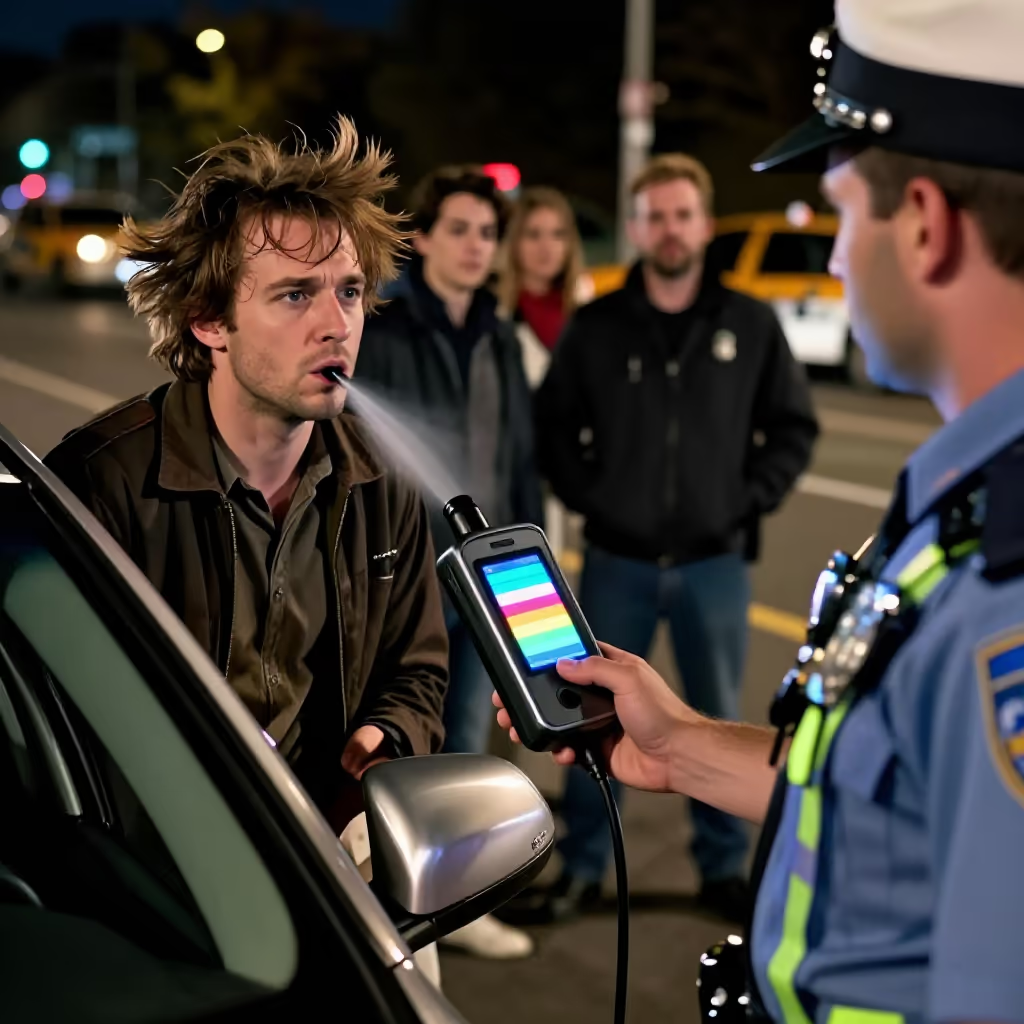
The phrase 'einen Pegel haben' means, colloquially, to be drunk. It is used in informal situations among friends or acquaintances.
EXAMPLE
Er hat sich auf der Party einen ordentlichen Pegel angetrunken.
He drank himself to quite a state at the party.
Use in technology
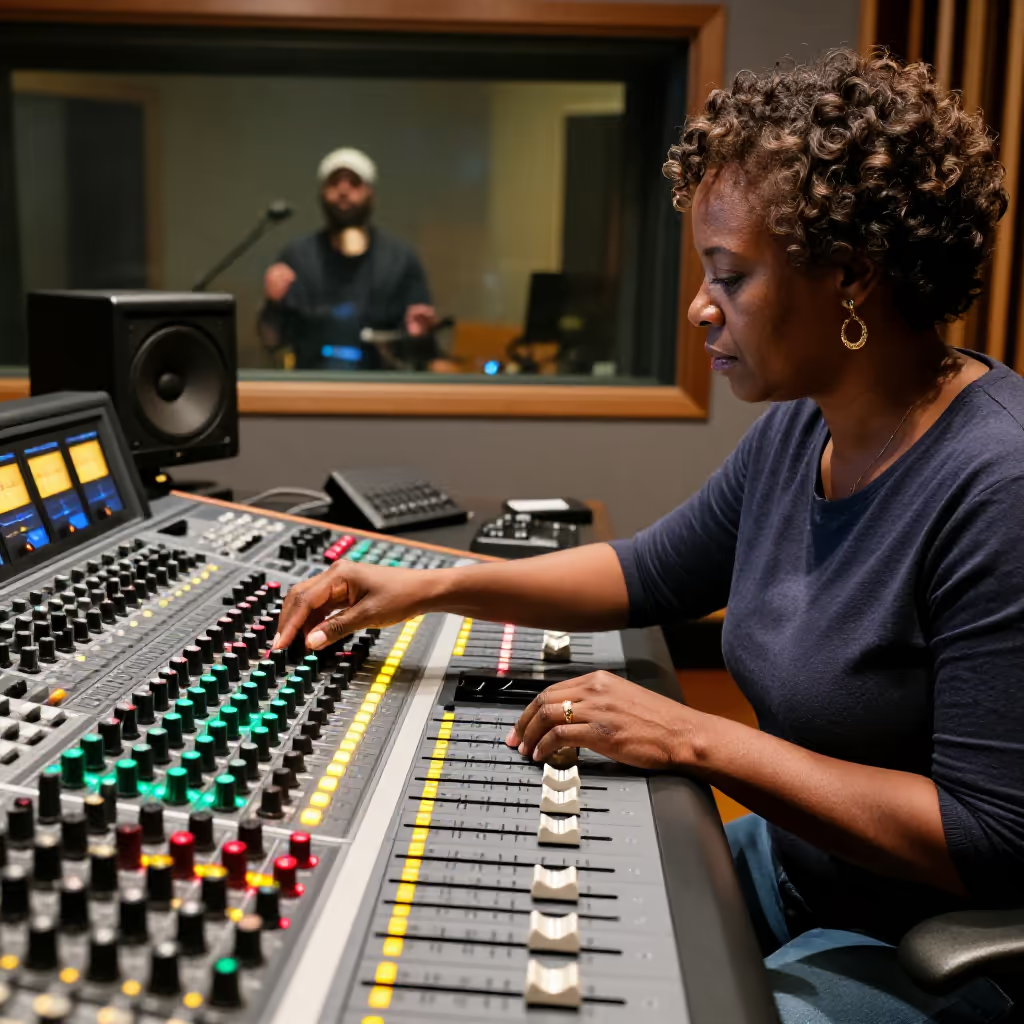
In audio or electrical engineering, 'Pegel' (level) is combined with verbs like 'einstellen' (to set), 'anpassen' (to adjust), 'regeln' (to control), or 'aussteuern' (to level out). It is about controlling the strength of a signal.
EXAMPLE
Der Tontechniker muss den Pegel für jedes Instrument einzeln einstellen.
The sound engineer has to set the level for each instrument individually.
Compare with
confusable
Pegel vs Spiegel
mirror
'der Spiegel' and 'der Pegel' can both occur in connection with water, but they mean different things. Here, 'der Spiegel' means the calm, smooth surface of a body of water, often in words like 'Wasserspiegel' (water surface / water level). 'Der Pegel' means the water level, that is, how high the water is and often how it is measured. Learners may confuse the words because both are connected to the height or surface of water. If it is about the appearance of the water surface, 'Spiegel' fits. If it is about measurement, flooding, or water level, 'Pegel' fits.
Pegel
Nach dem starken Regen ist der Pegel des Flusses schnell gestiegen.
After the heavy rain, the level of the river rose quickly.
Spiegel
Am Morgen lag der Spiegel des Sees ganz ruhig vor uns.
In the morning, the surface of the lake lay completely calm before us.