

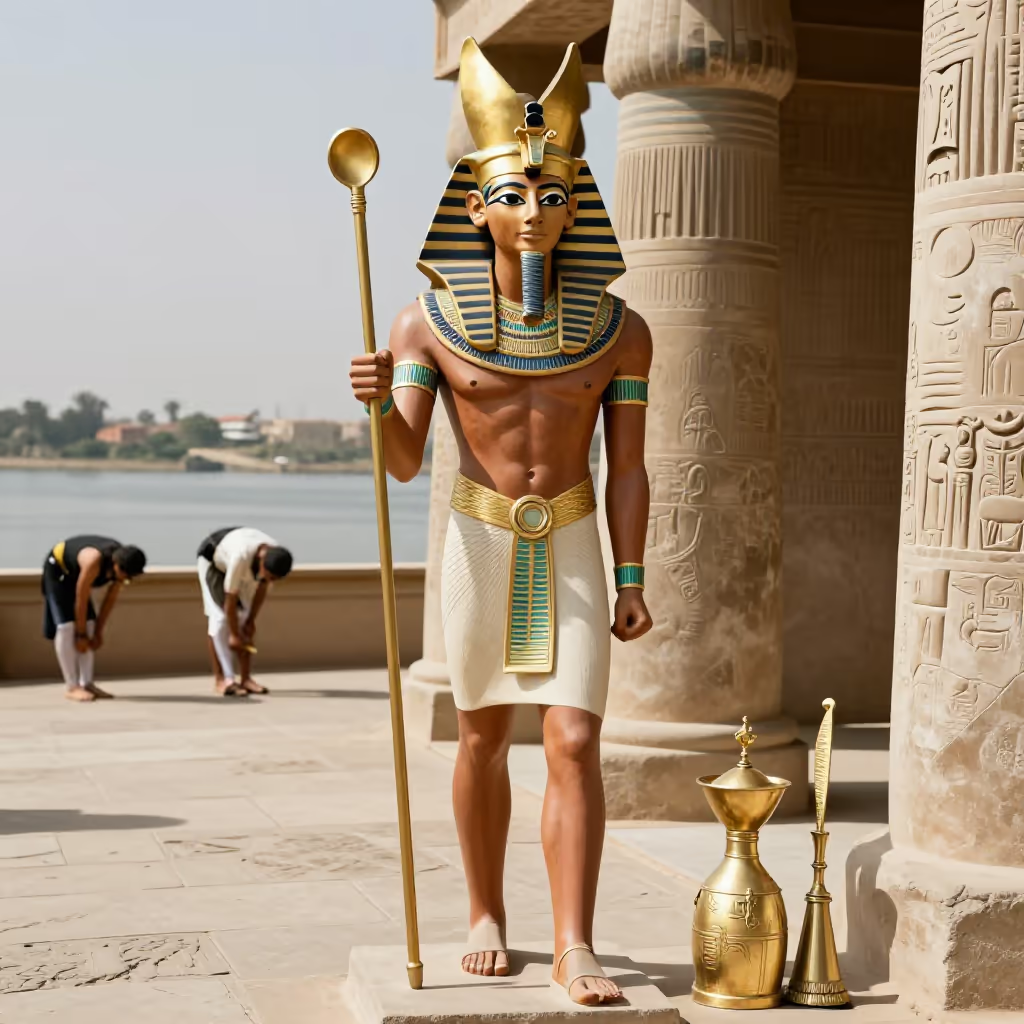
The title for the kings and rulers of ancient Egypt; also the person who held this title.
example
Der Pharao Tutanchamun ist vor allem durch sein unversehrtes Grab bekannt geworden.
The pharaoh Tutankhamun became famous mainly because of his intact tomb.
Usage tips
Special declension
'Pharao' (pharaoh) belongs to nouns with inconsistent declension. In the genitive it is usually 'des Pharaos', but in the dative and accusative, besides 'dem/den Pharao', the form 'dem/den Pharaonen' can also occur, similar to N-declension.
EXAMPLE
Die Archäologen erforschten die Schätze des Pharaos.
The archaeologists explored the treasures of the pharaoh.
Context clue
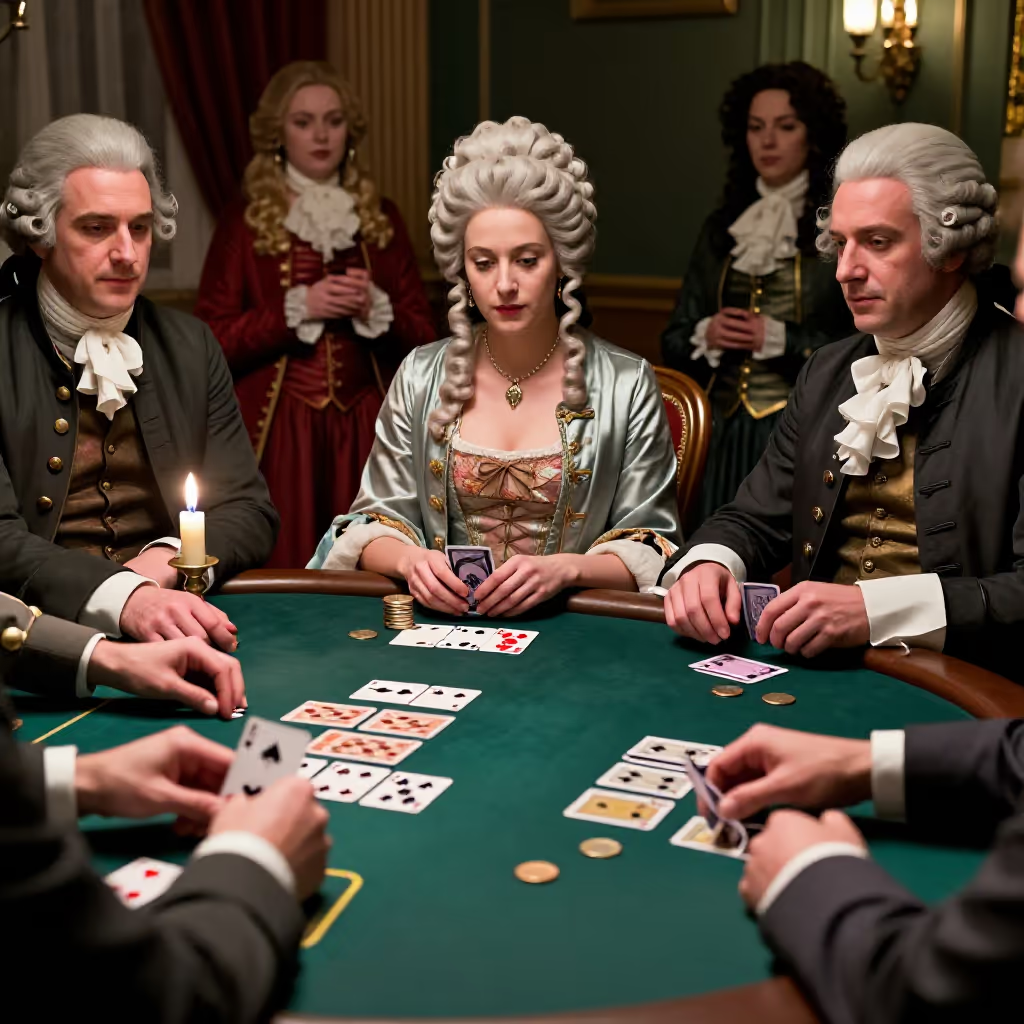
The meaning 'card game' is very rare and mostly limited to historical texts. You can recognize it by words like 'spielen' (to play), 'Partie' (game), 'Karten' (cards), or 'Glücksspiel' (gambling game). In almost all other cases, the Egyptian ruler is meant.
EXAMPLE
Im Roman verspielte der Graf sein Vermögen beim Pharao.
In the novel, the count gambled away his fortune at pharaoh.
Typical collocations
In connection with the ruler of Egypt, 'Pharao' (pharaoh) is often combined with words like 'Grab' (tomb), 'Pyramide' (pyramid), 'Macht' (power), or 'altes Ägypten' (ancient Egypt).
EXAMPLE
Die Macht des Pharao war im alten Ägypten unbegrenzt.
The power of the pharaoh was unlimited in ancient Egypt.
Compare with
near_synonym · confusable
Pharao vs König
king
'der König' and 'der Pharao' can both refer to a ruler. 'König' is a general title for a male monarch in many countries and periods. 'Pharao' is much more specific: it is what the kings and rulers of ancient Egypt are called. The words can be confused because a pharaoh was basically also a king. Even so, you say 'Pharao' when talking about ancient Egypt. 'König' fits better when speaking generally about monarchies or when the ruler is not from ancient Egypt.
Pharao
Im Museum sehen die Besucher die goldene Maske eines Pharaos.
In the museum, visitors see the golden mask of a pharaoh.