

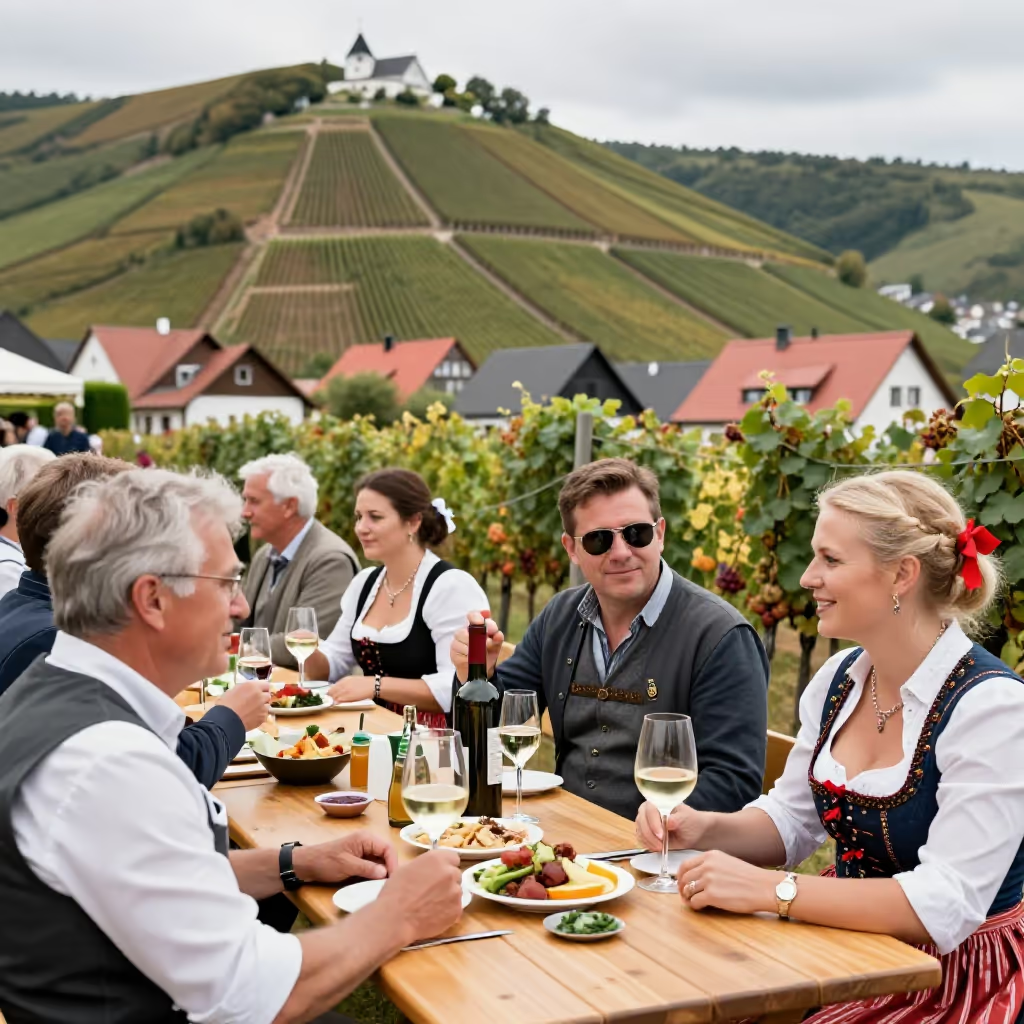
Refers to the Palatinate region in Germany, its inhabitants, its culture, its dialect, or its typical products.
example
Zu diesem Gericht passt ein trockener pfälzer Riesling besonders gut.
A dry Palatinate Riesling goes especially well with this dish.
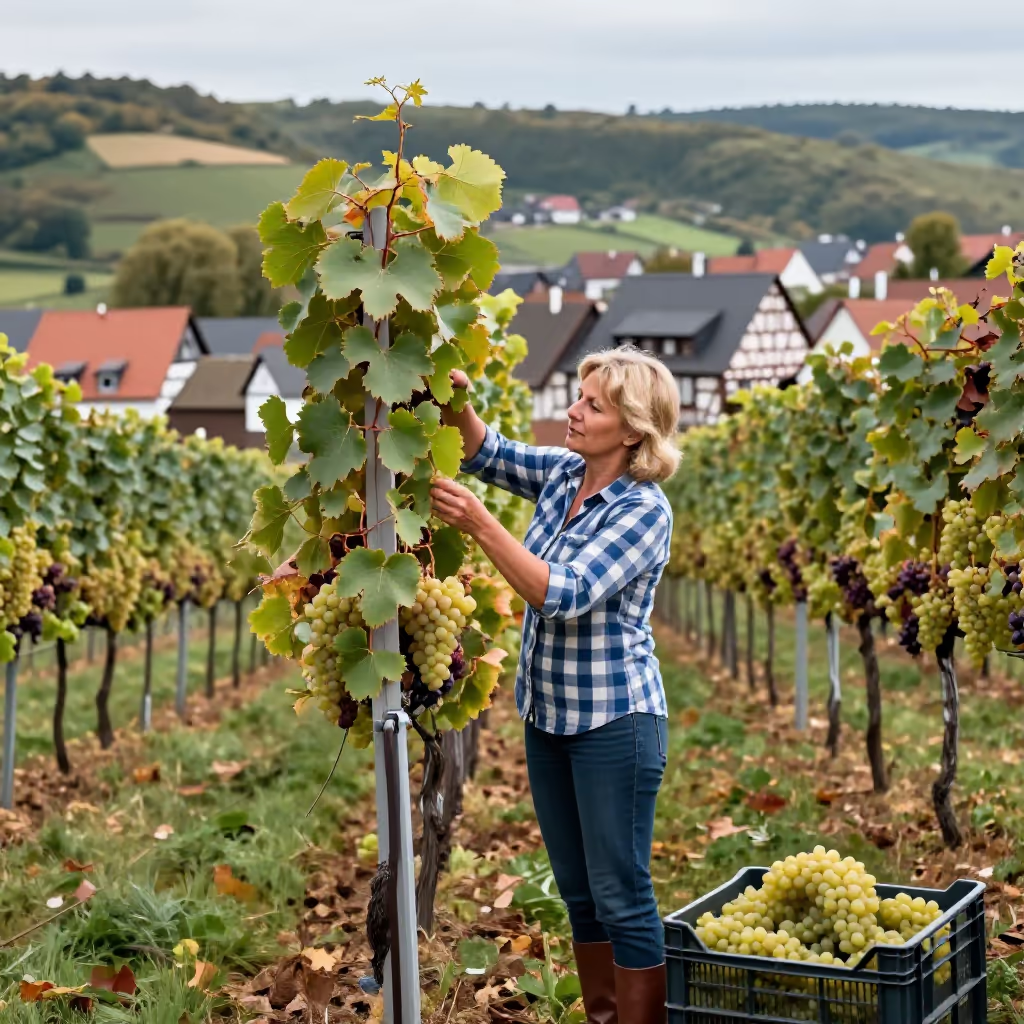
Usage tips
Grammar: No declension
Adjectives that are derived from a place name and end in '-er' are not declined. The form 'pfälzer' therefore always stays the same, no matter which noun follows.
EXAMPLE
Wir machen einen Ausflug in den pfälzer Wald.
We are taking a trip to the Palatinate Forest.
Grammar: Lowercase spelling
Although the adjective is derived from a proper noun ('die Pfalz' — the Palatinate), it is written in lowercase, like other adjectives.
EXAMPLE
Die pfälzer Küche ist für ihre deftigen Gerichte bekannt.
Palatinate cuisine is known for its hearty dishes.
Typical collocations
The adjective is often used with regional specialties and features. Typical examples are 'pfälzer Wein' (Palatinate wine), 'pfälzer Dialekt' (Palatinate dialect), or geographical names like 'Pfälzerwald' (Palatinate Forest).
EXAMPLE
Sein pfälzer Dialekt ist für mich nur schwer zu verstehen.
His Palatinate dialect is very hard for me to understand.
Compare with
near_synonym · confusable
pfälzer vs pfälzisch
Palatine
'pfälzer' and 'pfälzisch' both refer to the Palatinate, its people, culture, products, or language. 'pfälzisch' is very common, especially when talking about language and dialect: for example, you say 'pfälzisch sprechen' (to speak Palatine dialect). 'pfälzer' often stands directly before a noun, especially for origin or typical things from the region, for example 'Pfälzer Wein' (Palatinate wine) or 'Pfälzer Küche' (Palatinate cuisine). The words can be confused because they look similar and often have the same regional reference. As a simple guide: for dialect, 'pfälzisch' usually fits better; in fixed expressions with a noun, you often hear 'pfälzer'.
pfälzer
Zum Abendessen gibt es heute pfälzer Spezialitäten.
Tonight we’re having Palatinate specialties for dinner.
pfälzisch
Greta versteht ihren Onkel gut, obwohl er oft pfälzisch spricht.
Greta understands her uncle well, even though he often speaks Palatine dialect.