


die Post
The totality of letters, parcels, and items being delivered.
EXAMPLE
Ich schaue mal in den Briefkasten, ob die Post schon da ist.
I'll check the mailbox to see whether the mail has arrived yet.
mail / post office
Loading your saved state.
The totality of letters, parcels, and items being delivered.
Ich schaue mal in den Briefkasten, ob die Post schon da ist.
I'll check the mailbox to see whether the mail has arrived yet.

postal service
The company or state institution responsible for delivering letters and parcels.
Ich muss das Paket noch zur Post bringen.
I still have to take the package to the post office.
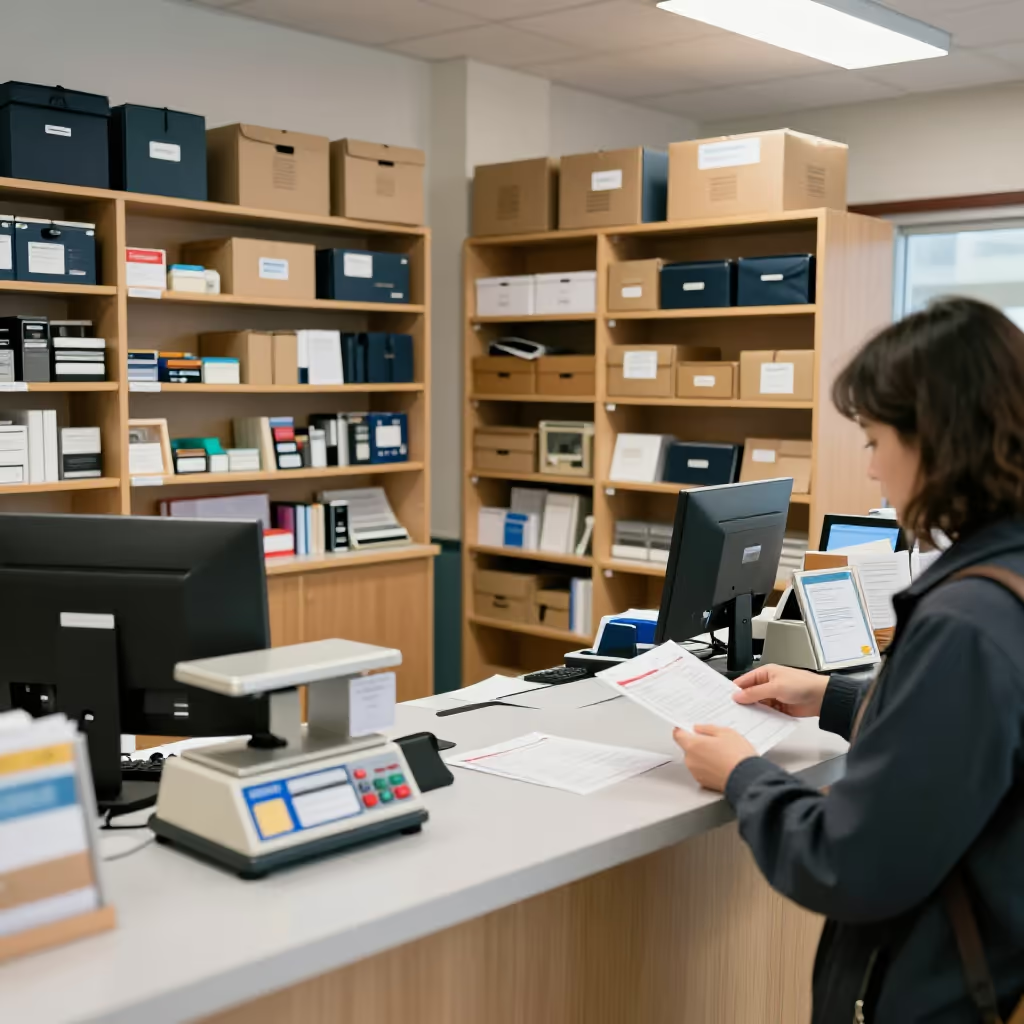
post office
The building where the services of a postal company are offered; the post office.
Die nächste Post ist nur fünf Minuten von hier entfernt.
The nearest post office is only five minutes from here.

things are really happening
A colloquial idiom meaning that an event is very lively, wild, or exciting.
Auf dem Konzert gestern ging wirklich die Post ab!
At the concert yesterday, things were really happening!
'Die Post' in German primarily means 'mail' or 'post office'. The English word 'post' can also mean a pole, a job position, or a social media post. The German word does not have these meanings.
Ich warte auf wichtige Post von der Universität.
I'm waiting for important mail from the university.
When talking about the items being sent themselves, 'Post' is often used like an uncountable noun without an article. For example, you ask: 'Ist Post für mich da?' (Is there any mail for me?).
Ich habe heute noch keine Post bekommen.
I haven't received any mail today.
When referring to the service provider, typical phrases are 'etwas mit der Post schicken' (to send something by mail), 'ein Paket bei der Post aufgeben' (to send/drop off a package at the post office), or 'von der Post geliefert werden' (to be delivered by the postal service).
Ich schicke dir die Dokumente morgen mit der Post.
I'll send you the documents by mail tomorrow.
To describe the place, the prepositions are crucial. You go 'zur Post' (to the post office; movement, accusative), and you are 'auf der Post' or 'in der Post' (at/in the post office; location, dative).
Kannst du auf dem Weg nach Hause kurz zur Post gehen?
Can you quickly go to the post office on your way home?
The idiom 'die Post geht ab' is colloquial and means that things are very lively, loud, and exciting. It is often used for parties, concerts, or festivals.
Auf der Party gestern Abend ging echt die Post ab!
At the party last night, things were really happening!
contribution / post
A Beitrag can be a publication on a social network. Post, on the other hand, refers to letters, parcels, and other items being delivered, not to an online publication. So use Beitrag for an entry on the internet, and Post for delivered items.

Die Post mit den Urlaubskarten wurde gestern zugestellt.
The mail containing the vacation cards was delivered yesterday.
Den Beitrag mit den Urlaubsfotos habe ich gestern online veröffentlicht.
I published the post with the vacation photos online yesterday.