


die Pranke
paw
A large, powerful paw belonging to an animal, especially a bear or a predator.
EXAMPLE
Der Bär schlug mit seiner mächtigen Pranke nach dem Fisch.
The bear swiped at the fish with its powerful paw.
paw
die Pranke, die Pranken
Loading your saved state.
paw
A large, powerful paw belonging to an animal, especially a bear or a predator.
Der Bär schlug mit seiner mächtigen Pranke nach dem Fisch.
The bear swiped at the fish with its powerful paw.
paw
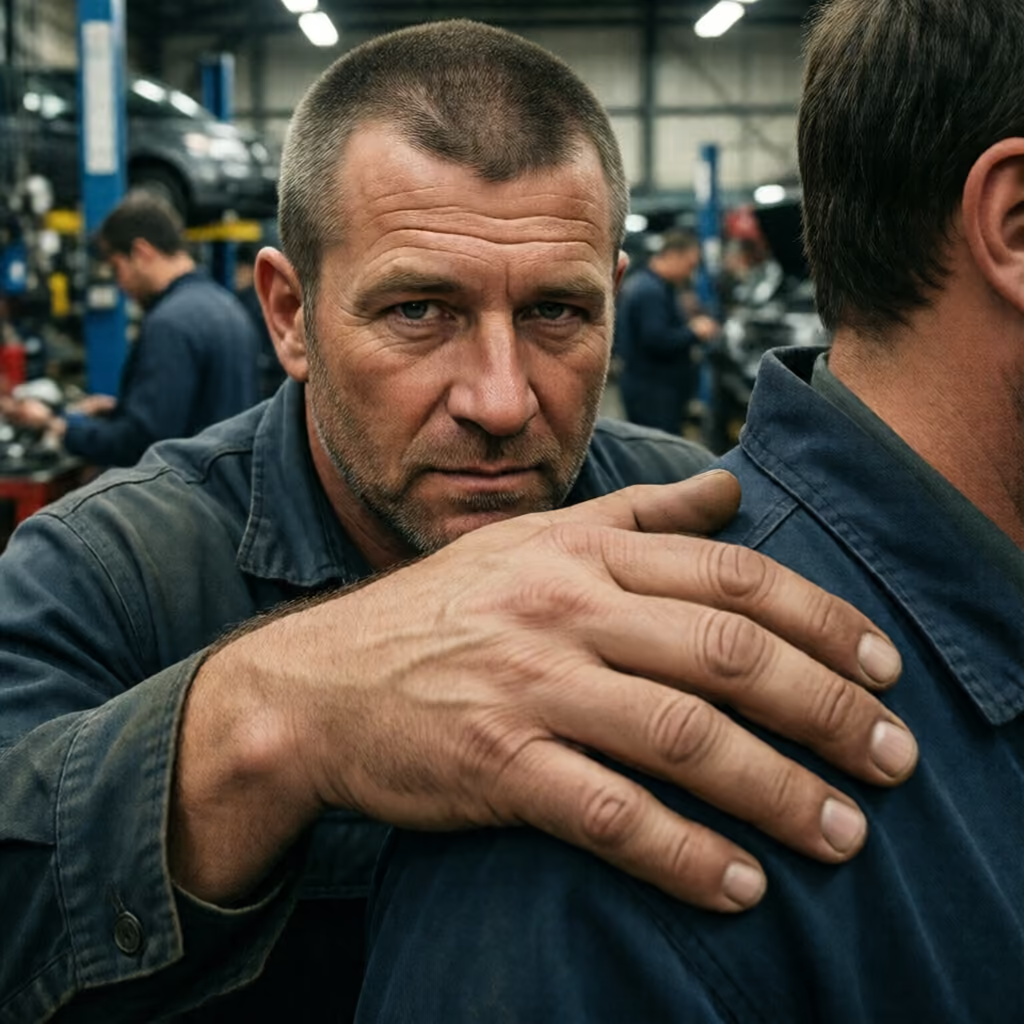
In colloquial language, a large, powerful human hand.
Er legte mir seine schwere Pranke auf die Schulter.
He placed his heavy paw on my shoulder.
| gender | feminine die |
|---|---|
| plural | die Pranken |
| genitive | der Pranke |
| singular | plural | |
|---|---|---|
| nominative | die Pranke | die Pranken |
| accusative | die Pranke | die Pranken |
| dative | der Pranke | den Pranken |
| genitive | der Pranke | der Pranken |
The article changes with the case; it is shown in colour.
Typical collocations include „die Pranke heben“ (to raise one's paw) and „mit der Pranke zuschlagen“ (to strike with one's paw). When striking at a specific target, the pattern „mit der Pranke nach jemandem oder etwas schlagen“ (to strike at someone or something with one's paw) is also common; „nach“ is followed by the dative.
Die Löwin schlug mit der Pranke nach einem frechen Jungtier.
The lioness swiped at a cheeky cub with her paw.
When you refer to another person's hands as „Pranken“ (paws), it can sound humorous, but it can also be derogatory. Especially in commands such as „Nimm deine Pranken weg“ (Take your paws off it), the word sounds coarse and angry.
Nimm deine Pranken von meinem Kuchen!
Take your paws off my cake!