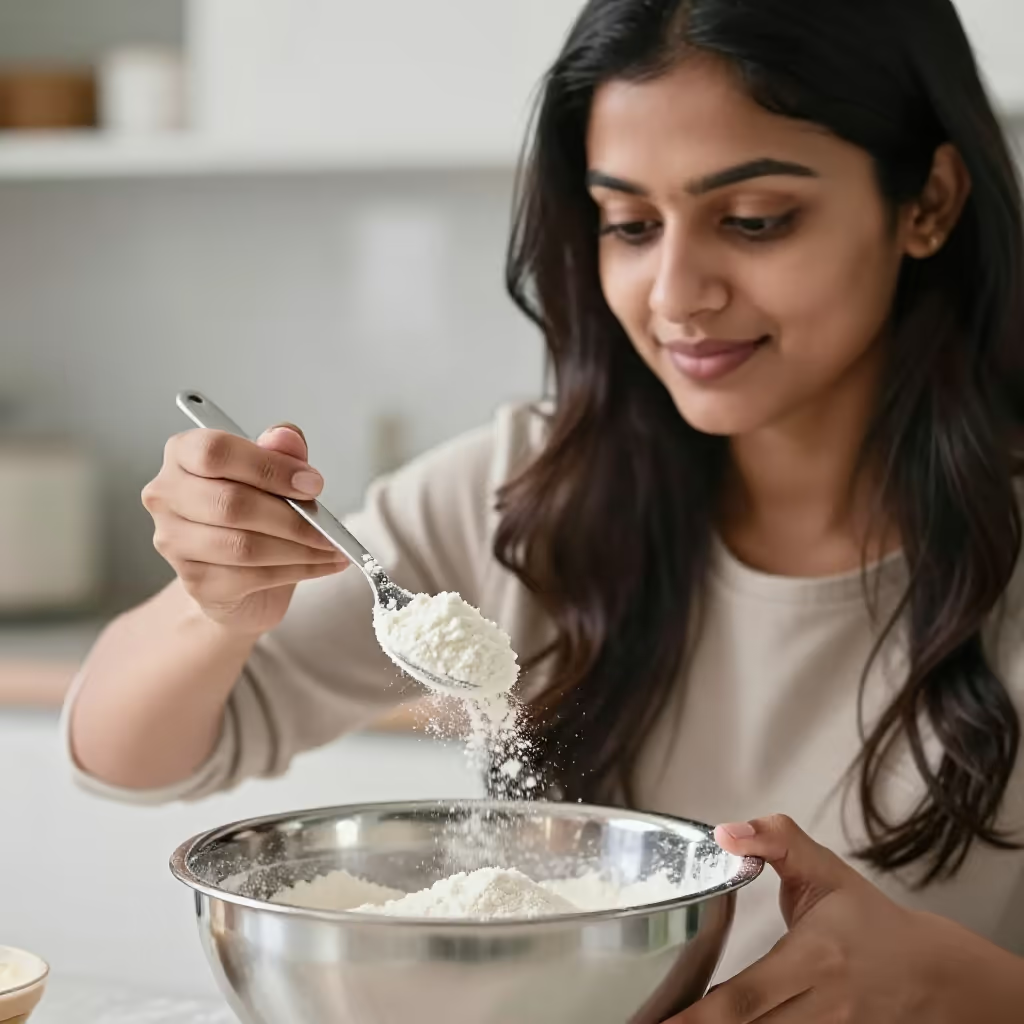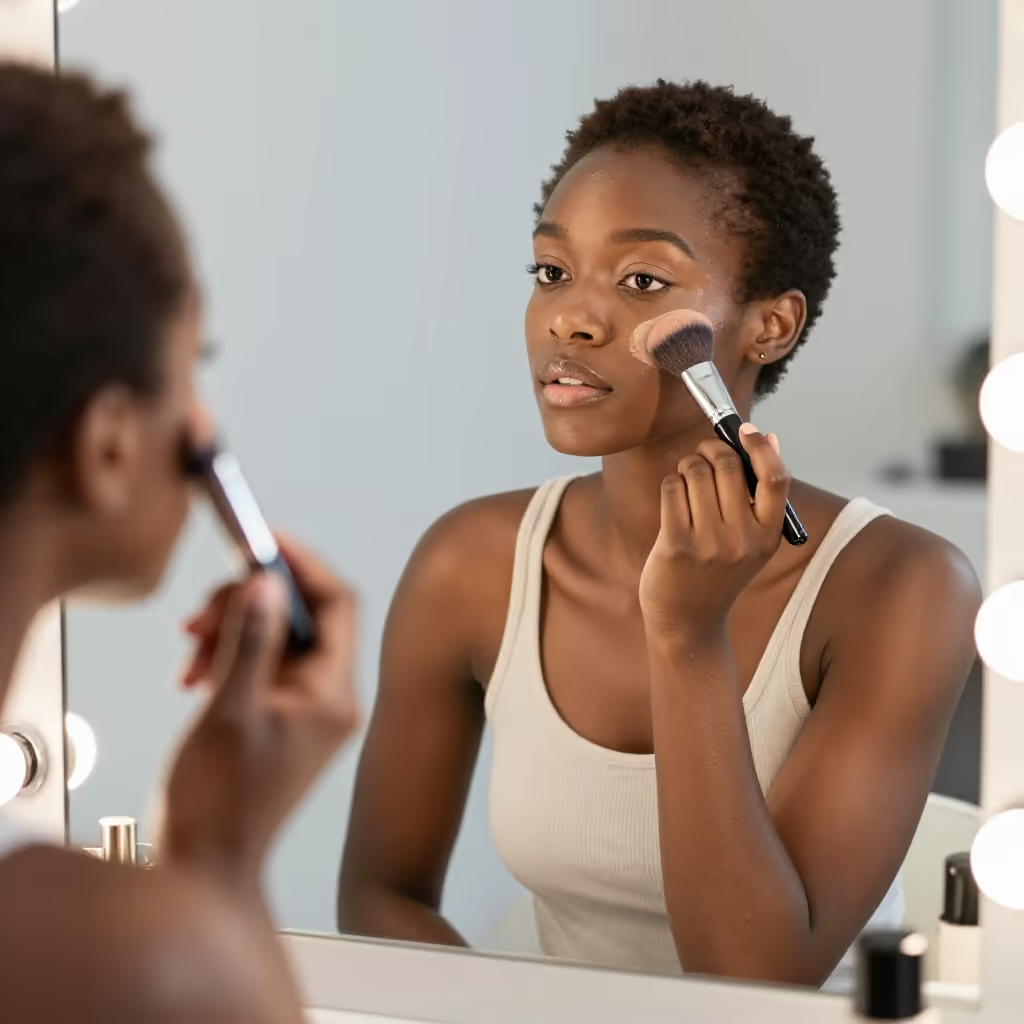
A fine, dry powder that is applied to the skin, especially on the face, as a cosmetic product in order to mattify the complexion or set makeup.
example
Sie benutzte etwas Puder, um ihre glänzende Nase abzudecken.
She used a little powder to cover her shiny nose.
Usage tips
Word family
The verb 'pudern' (to powder) is derived from the noun 'der Puder' (powder). It means to apply powder. The participle form 'gepudert' (powdered) is used as an adjective.
EXAMPLE
Sie pudert sich jeden Morgen das Gesicht.
She powders her face every morning.
Typical verbs
In a cosmetic context, 'Puder' (powder) is often combined with the verbs 'auftragen' (to apply) or 'benutzen' (to use). A very fixed expression is 'sich die Nase pudern' (to powder one's nose).
EXAMPLE
Zum Schluss trug sie noch eine dünne Schicht Puder auf.
At the end, she applied a thin layer of powder.
Context clue
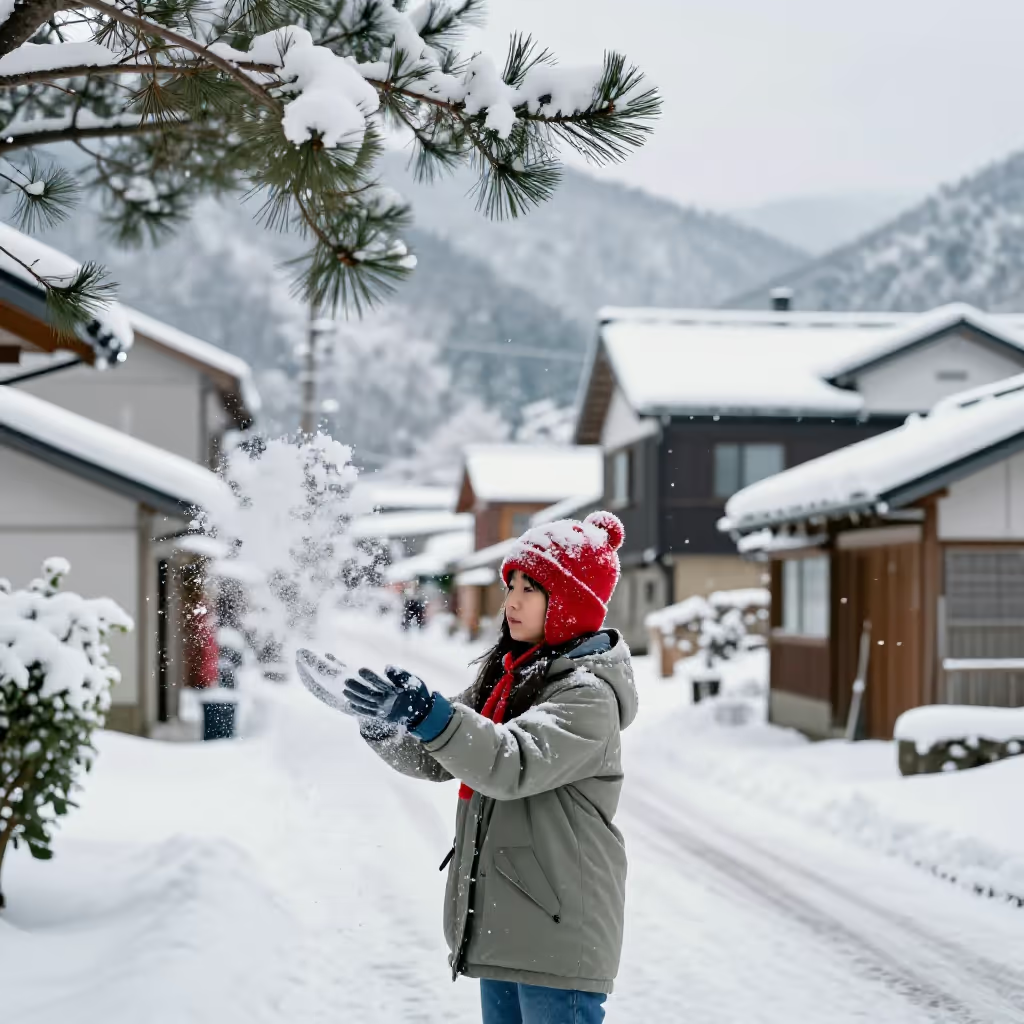
This general meaning is often recognizable from comparisons with 'wie' (like/as) or from compound words. The best-known examples are 'Puderzucker' (powdered sugar) and 'Puderschnee' (powder snow).
EXAMPLE
Der Schnee war fein und leicht wie Puder.
The snow was fine and light like powder.
Compare with
near_synonym · confusable
Puder vs Staub
dust
'der Staub' and 'der Puder' can both mean very fine, dry particles. 'Staub' usually forms on its own and often seems dirty or annoying, for example on furniture or in the air. 'Puder' is more like a fine powder that you use intentionally, especially as a cosmetic on the skin. It can also be used generally for something very fine, like powder. Learners may confuse the words because both are fine and dry. As a practical rule: what you wipe away is usually 'Staub'. What you apply or use as a fine powder is more likely called 'Puder'.
Puder
Vor dem Foto trägt Emma etwas Puder auf ihr Gesicht auf.
Before the photo, Emma applies a little powder to her face.
Staub
Im Sonnenlicht sieht man den Staub in der Luft schweben.
In the sunlight, you can see the dust floating in the air.