


rasen
to race
To move or drive at very high speed, often too fast and dangerously.
EXAMPLE
Der Autofahrer raste mit hundertzwanzig durch die enge Straße.
The driver raced through the narrow street at 120 kilometers per hour.
to race / to rage
rasen – raste – ist gerast
Loading your saved state.
to race
To move or drive at very high speed, often too fast and dangerously.
Der Autofahrer raste mit hundertzwanzig durch die enge Straße.
The driver raced through the narrow street at 120 kilometers per hour.

to rage
To be very angry and show one's anger intensely; to be furious or beside oneself with rage.
Als er die Nachricht hörte, raste er vor Wut.
When he heard the news, he raged with anger.
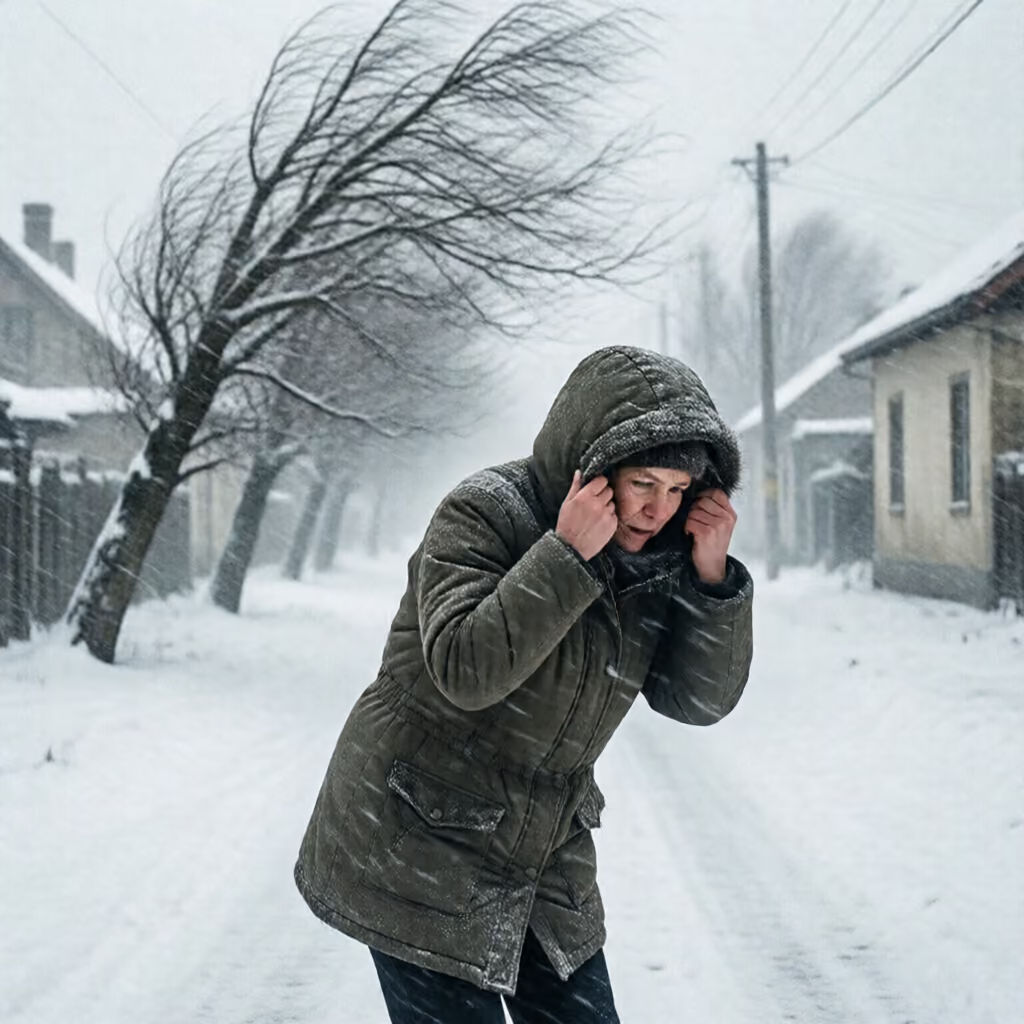
to rage
To move or rage with great force, especially in wind, storms, or other natural forces.
Draußen raste ein heftiger Schneesturm.
A fierce snowstorm was raging outside.

to race
To move or beat very quickly, especially the heart or pulse.
Nach dem Sprint raste mein Herz.
My heart was racing after the sprint.
| ich | rase |
|---|---|
| du | rast |
| er/sie/es | rast |
| wir | rasen |
| ihr | rast |
| sie | rasen |
| ich | raste |
|---|---|
| du | rastest |
| er/sie/es | raste |
| wir | rasten |
| ihr | rastet |
| sie | rasten |
| ich | bin gerast |
|---|---|
| du | bist gerast |
| er/sie/es | ist gerast |
| wir | sind gerast |
| ihr | seid gerast |
| sie | sind gerast |
| du | ras! rase! |
|---|---|
| ihr | rast! |
| Sie | rasen Sie! |
| ich | war gerast |
|---|---|
| du | warst gerast |
| er/sie/es | war gerast |
| wir | waren gerast |
| ihr | wart gerast |
| sie | waren gerast |
| ich | werde rasen |
|---|---|
| du | wirst rasen |
| er/sie/es | wird rasen |
| wir | werden rasen |
| ihr | werdet rasen |
| sie | werden rasen |
| ich | rase |
|---|---|
| du | rasest |
| er/sie/es | rase |
| wir | rasen |
| ihr | raset |
| sie | rasen |
Used for reported speech.
| ich | raste |
|---|---|
| du | rastest |
| er/sie/es | raste |
| wir | rasten |
| ihr | rastet |
| sie | rasten |
Used for wishes and “would”.
| infinitive | rasen |
|---|---|
| with zu | zu rasen |
| present participle | rasend |
| past participle | gerast |
When “rasen” (to race) describes movement from one place to another, it forms the perfect tense with “sein” (to be). When it describes a state such as intense anger or a fast heartbeat, it takes “haben” (to have).
Das Motorrad ist um die Kurve gerast.
The motorcycle raced around the bend.
Mein Herz hat vor Aufregung gerast.
My heart was racing with excitement.
With “rasen” (to race), the route is often given with “durch” (through) and the accusative. A destination can be expressed with “auf … zu” (toward …); “zu” comes at the end of the sentence.
Ein Lieferwagen raste durch den Tunnel.
A delivery van raced through the tunnel.
Der Radfahrer raste auf die Kreuzung zu.
The cyclist raced toward the intersection.
The combinations “vor Wut rasen” (to rage with anger) and “vor Zorn rasen” (to rage with fury) are typical. Here, “vor” gives the reason for the intense reaction and requires the dative.
Nach der Niederlage raste der Trainer vor Zorn in der Kabine.
After the defeat, the coach raged with fury in the locker room.
With storms, the pattern “über etwas hinwegrasen” (to rage across something) is commonly used. “Über” takes the accusative here; in the main clause, “hinweg” is separated and placed at the end.
Ein schwerer Sturm raste über die Insel hinweg.
A severe storm raged across the island.
With “das Herz rast” (the heart is racing), the person affected can be in the dative. The heart remains the subject; the person is indicated with words such as “mir” (to me) or “ihr” (to her).
Vor dem Auftritt raste ihr das Herz.
Her heart was racing before the performance.