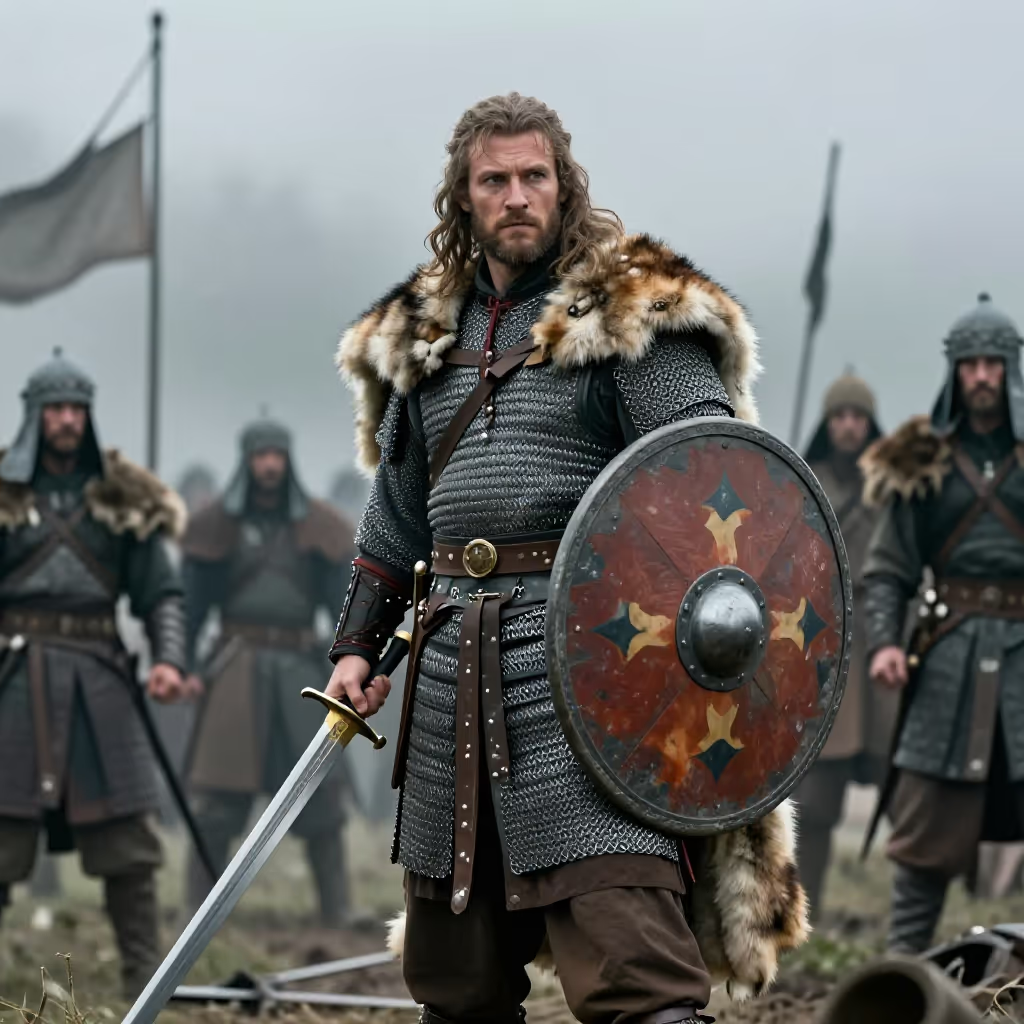
An outdated or literary term for a brave and strong warrior or hero, especially in old legends and poems.
example
In der Sage kämpfte der kühne Recke Siegfried gegen den Drachen.
In the legend, the bold hero Siegfried fought against the dragon.
Usage tips
Word family
The word 'Recke' (hero / strapping fellow) is closely related to the verb 'recken' (to stretch). So originally, a Recke is someone who makes himself look tall and strong or towers above others.
EXAMPLE
Der Held reckte seine Glieder und zog sein Schwert.
The hero stretched his limbs and drew his sword.
Literary style
In the meaning of 'Held' (hero) or 'Krieger' (warrior), the word is outdated and today is used almost only in literary or historical contexts such as legends, fairy tales, and poems.
EXAMPLE
Die alten Lieder erzählen von den Taten tapferer Recken.
The old songs tell of the deeds of brave heroes.
Colloquial use
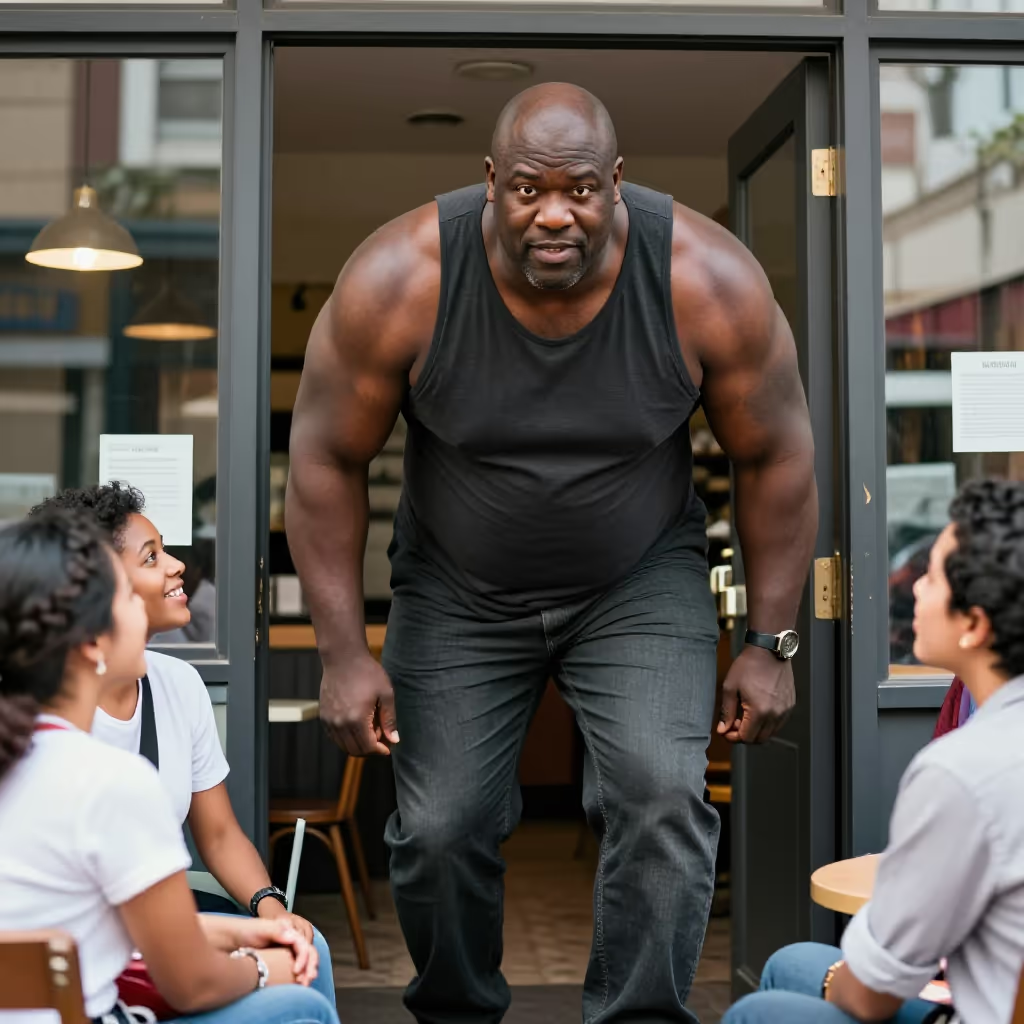
When 'Recke' (hero / strapping fellow) is used for a person today, it is usually colloquial and slightly ironic, meaning a very tall, strong man. The tone is more admiring or humorous.
EXAMPLE
Der neue Basketballspieler ist ein wahrer Recke.
The new basketball player is a real strapping fellow.
Compare with
near_synonym · confusable
Recke vs Held
hero
'der Held' and 'der Recke' can both mean a brave, strong figure. 'Held' is the normal word and fits real people, films, books, and many everyday situations. 'Recke' sounds old-fashioned, literary, or like something from a legend or poem. It fits especially well for brave warriors in old stories. Learners may confuse the words because both sound positive. In normal German, however, 'Held' is almost always more natural.
Recke
In der alten Sage zieht ein tapferer Recke mit seinem Schwert in den Kampf.
In the old legend, a brave warrior goes into battle with his sword.
Held
Für seinen kleinen Bruder ist Max ein Held, weil er immer hilft.
To his little brother, Max is a hero because he always helps.