

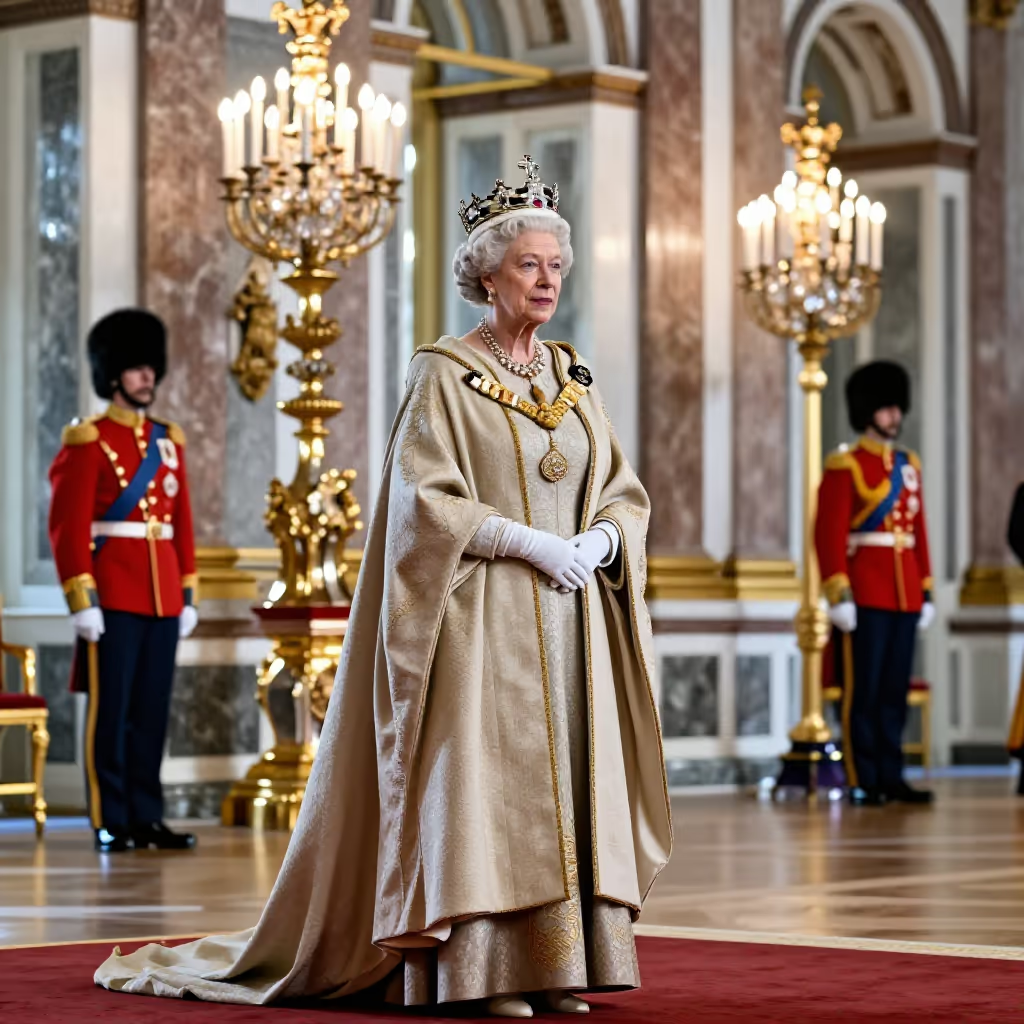
Royal, majestic, or worthy of a king. This word is rare and is mostly used in an elevated or literary context.
example
Die Königin betrat den Saal mit regaler Haltung und beeindruckte alle Anwesenden.
The queen entered the hall with a regal bearing and impressed everyone present.
Usage tips
Elevated style
The adjective "regal" is rare and is used almost only in written language or in a literary context. It sounds very formal and poetic.
EXAMPLE
Die alte Dame hatte eine regale Ausstrahlung.
The elderly lady had a regal aura.
Typical collocations
"Regal" often describes a majestic appearance or aura. Typical nouns it is combined with are "Haltung" (bearing), "Anmut" (grace), "Würde" (dignity), or "Anblick" (sight).
EXAMPLE
Sie betrat den Raum mit regaler Anmut.
She entered the room with regal grace.
Origin of the word
The word derives from the Latin "regalis" (royal), which comes from the word "rex" (king). This origin is a good memory aid for the meaning "royal" or "majestic".
EXAMPLE
Der Löwe wird wegen seiner Mähne oft als Tier mit regaler Erscheinung bezeichnet.
Because of its mane, the lion is often described as an animal with a regal appearance.
Compare with
synonym
Regal vs königlich
royal
'königlich' and 'regal' can both express that something is fit for a king or queen, or that it seems very majestic. 'königlich' is the normal word in German and fits in many situations, for example with palaces, families, or ceremonies. 'regal' is rare and sounds elevated or literary. It is used more when you want to describe a particularly dignified or ceremonial impression. In everyday language, 'königlich' is almost always more natural.
Regal
Die Schauspielerin stand in einem langen Mantel vor dem Publikum und wirkte sehr regal.
The actress stood before the audience in a long coat and looked very regal.
königlich
Im Museum sieht die Klasse eine königliche Krone aus Gold.
At the museum, the class sees a royal crown made of gold.