

reintun
to put in
To put, place, or stick something inside something; the colloquial form of „hineintun“ (to put inside).
EXAMPLE
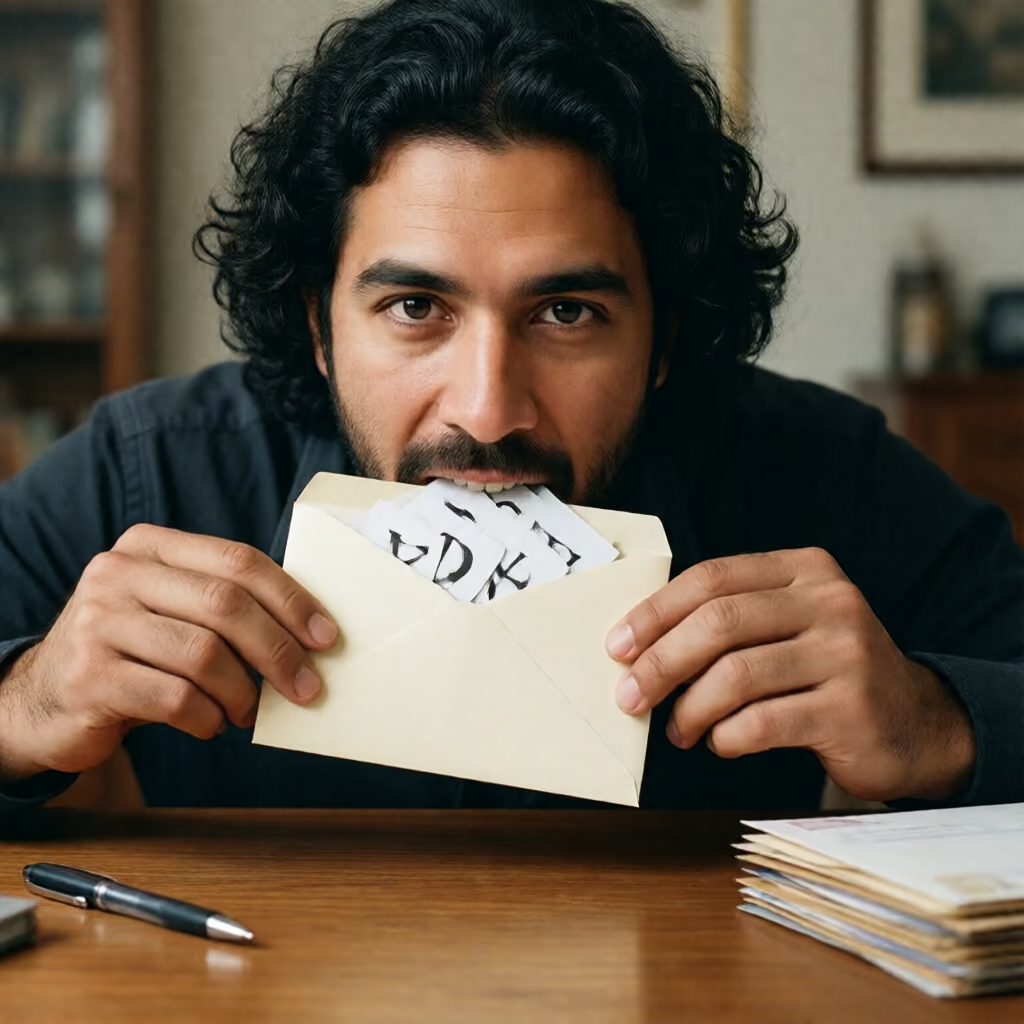
Du kannst die Briefe einfach in den Umschlag reintun.
You can just put the letters in the envelope.
to put in
reintun – tat rein – hat reingetan
Loading your saved state.
to put in
To put, place, or stick something inside something; the colloquial form of „hineintun“ (to put inside).
Du kannst die Briefe einfach in den Umschlag reintun.
You can just put the letters in the envelope.
| ich | tue rein |
|---|---|
| du | tust rein |
| er/sie/es | tut rein |
| wir | tun rein |
| ihr | tut rein |
| sie | tun rein |
| ich | tat rein |
|---|---|
| du | tatest rein |
| er/sie/es | tat rein |
| wir | taten rein |
| ihr | tatet rein |
| sie | taten rein |
| ich | habe reingetan |
|---|---|
| du | hast reingetan |
| er/sie/es | hat reingetan |
| wir | haben reingetan |
| ihr | habt reingetan |
| sie | haben reingetan |
| du | tue rein! |
|---|---|
| ihr | tut rein! |
| Sie | tun Sie rein! |
| ich | hatte reingetan |
|---|---|
| du | hattest reingetan |
| er/sie/es | hatte reingetan |
| wir | hatten reingetan |
| ihr | hattet reingetan |
| sie | hatten reingetan |
| ich | werde reintun |
|---|---|
| du | wirst reintun |
| er/sie/es | wird reintun |
| wir | werden reintun |
| ihr | werdet reintun |
| sie | werden reintun |
| ich | tue rein |
|---|---|
| du | tuest rein |
| er/sie/es | tue rein |
| wir | tun rein |
| ihr | tuet rein |
| sie | tun rein |
Used for reported speech.
| ich | täte rein |
|---|---|
| du | tätest rein |
| er/sie/es | täte rein |
| wir | täten rein |
| ihr | tätet rein |
| sie | täten rein |
Used for wishes and “would”.
| infinitive | reintun |
|---|---|
| with zu | reinzutun |
| present participle | reintuend |
| past participle | reingetan |
„Reintun“ (to put in) is separable: In a simple main clause, „rein“ (in) comes at the end, while in a subordinate clause it remains connected to the verb. With the infinitive using „zu“ (to), „zu“ comes between „rein“ and „tun“.
Sie tut die Schlüssel rein.
She puts the keys in.
Ich sehe nicht, was sie reintut.
I can't see what she's putting in.
Vergiss nicht, die Schlüssel reinzutun.
Don't forget to put the keys in.
The typical pattern is „etwas in etwas reintun“ (to put something in something). After „in“ (into), the accusative is used here because the complement indicates the destination of the movement.
Kannst du die schmutzigen Handtücher in den Wäschekorb reintun?
Can you put the dirty towels in the laundry basket?
When cooking and talking about drinks, „reintun“ (to put in) is often used with ingredients such as salt or sugar and quantity expressions such as „etwas mehr“ (a little more) or „zu viel“ (too much). If the container or dish is already known, it does not need to be mentioned explicitly.
Die Suppe ist ziemlich salzig, weil ich zu viel Salz reingetan habe.
The soup is quite salty because I put in too much salt.