

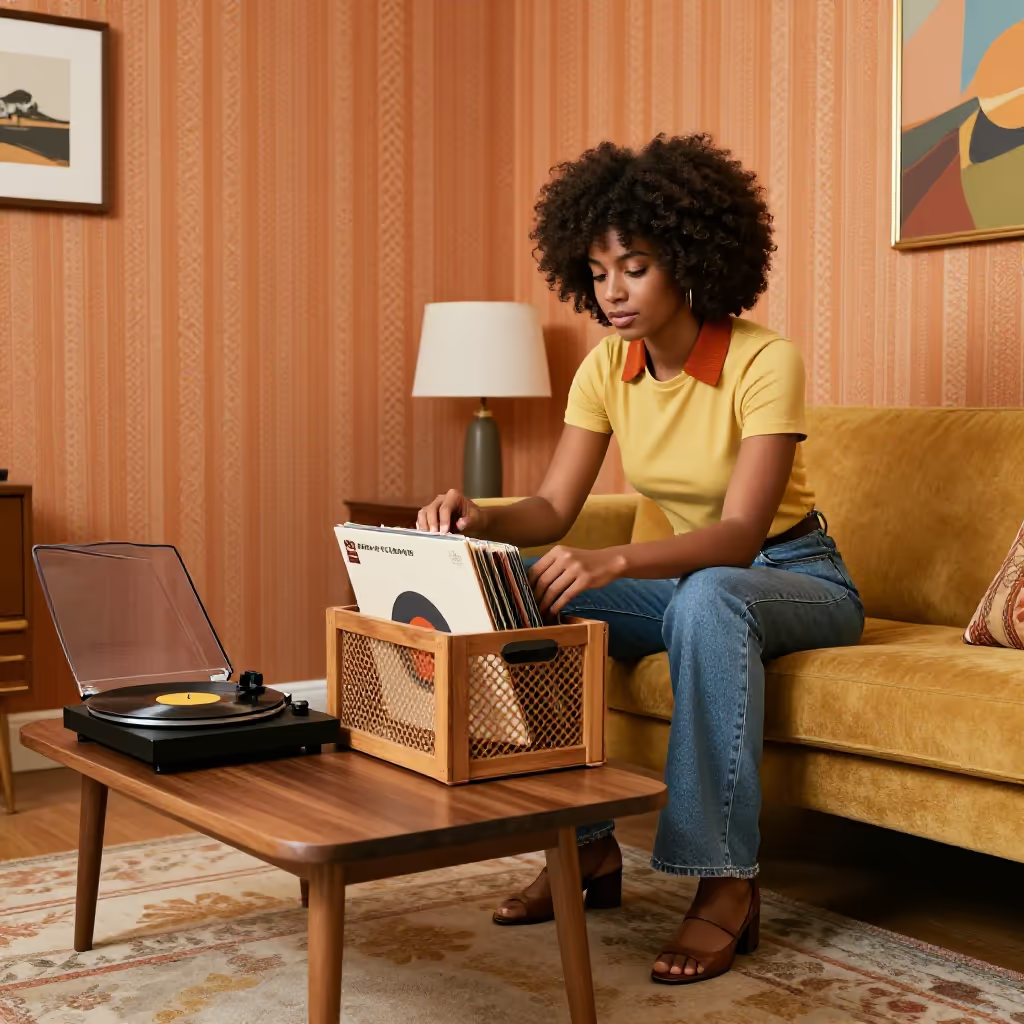
Refers to a style or fashion that deliberately takes up and imitates elements from a past era, especially from the 1950s to the 1970s.
example
Die neue Küche ist im Retro-Stil der 60er Jahre eingerichtet.
The new kitchen is furnished in the retro style of the 1960s.
Usage tips
Not declinable
'Retro' is an adjective that is not declined. It does not take an ending, even when it comes before a noun.
EXAMPLE
Sie trägt ein schönes retro Kleid.
She is wearing a beautiful retro dress.
Use as a prefix
'Retro' is very often used as the first part of compound nouns to express a connection to the past. Examples are 'der Retro-Look' (the retro look), 'der Retro-Stil' (the retro style), or 'die Retro-Welle' (the retro wave).
EXAMPLE
Der Retro-Look der 1980er Jahre ist wieder modern.
The retro look of the 1980s is fashionable again.
Typical context
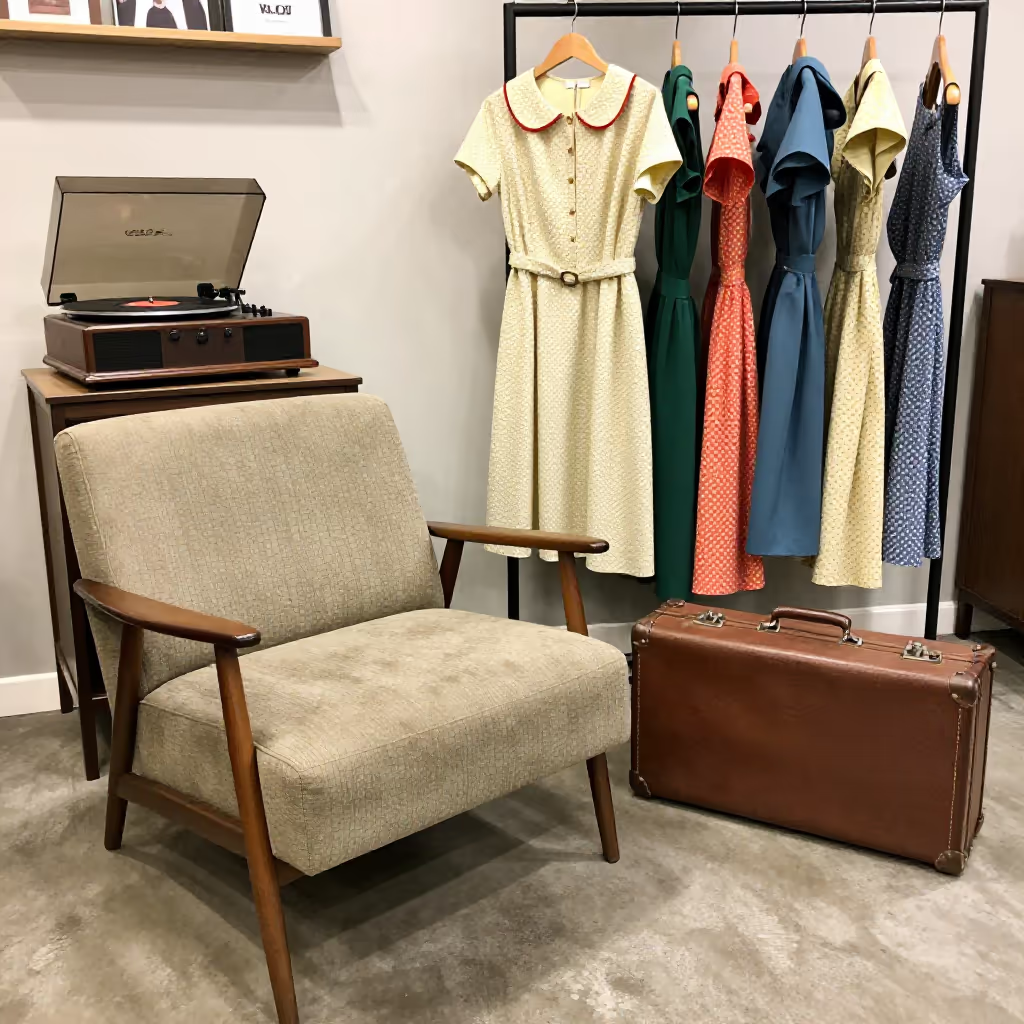
The word is mainly used in the areas of fashion, design, music, and interior design to describe a style that deliberately takes up old forms.
EXAMPLE
Die Band spielt Musik mit einem deutlichen Retro-Sound.
The band plays music with a distinct retro sound.
Compare with
antonym
retro vs modern
modern
'modern' and 'retro' are often opposites when it comes to style or fashion. 'modern' describes something that feels new and fits the present day. 'retro' describes something that deliberately looks as if it comes from an earlier time, for example with colors, shapes, or music from past decades. So 'retro' does not simply mean old, but intentionally made in an old style. A modern object can even have a retro design if new technology looks old.
retro
Am Samstag trägt mein Nachbar eine Retro-Jacke aus den Siebzigern.
On Saturday, my neighbor is wearing a retro jacket from the seventies.
modern
Leon kauft für das Wohnzimmer eine moderne Lampe mit klaren Formen.
Leon buys a modern lamp with clean lines for the living room.