

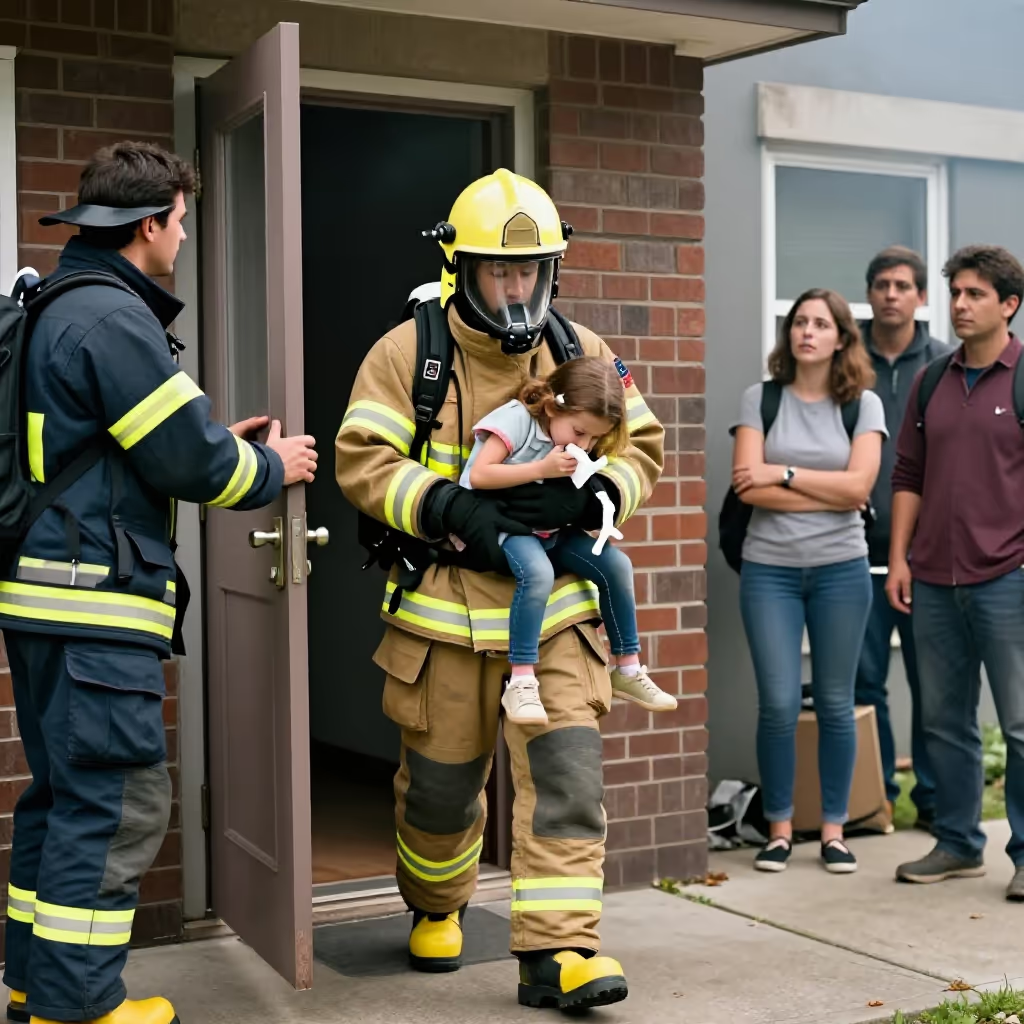
die Rettung
rescue
The act of freeing someone or something from a dangerous situation or emergency.
EXAMPLE
Die Rettung der verunglückten Bergsteiger dauerte mehrere Stunden.
The rescue of the injured mountain climbers took several hours.
rescue
Loading your saved state.
rescue
The act of freeing someone or something from a dangerous situation or emergency.
Die Rettung der verunglückten Bergsteiger dauerte mehrere Stunden.
The rescue of the injured mountain climbers took several hours.
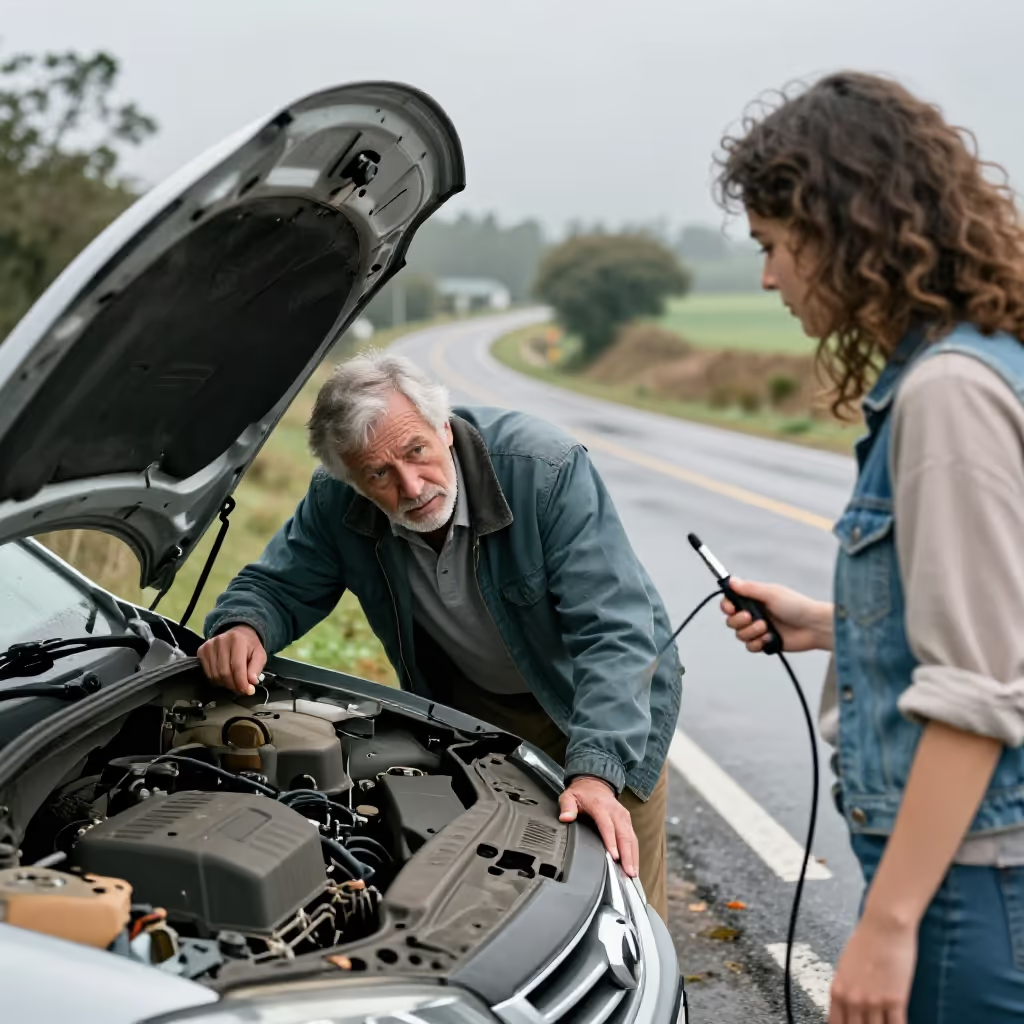
lifesaver
A person or thing that unexpectedly helps in a difficult situation and provides a solution.
Dein Anruf war meine Rettung, ich hatte den Termin völlig vergessen.
Your call was my lifesaver; I had completely forgotten the appointment.
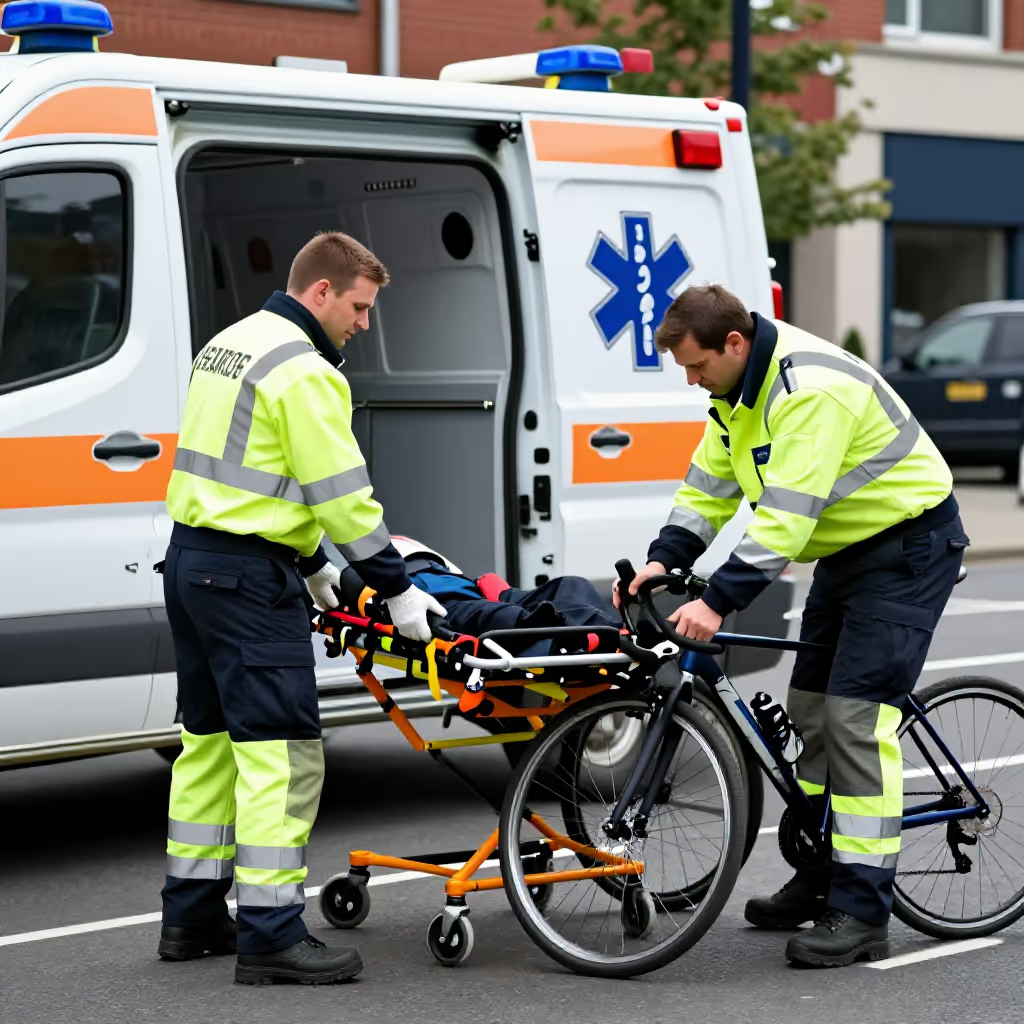
emergency services
The organization responsible for emergencies, especially the ambulance service.
Ruf sofort die Rettung, es gab einen schweren Unfall!
Call the emergency services immediately; there has been a serious accident!
'Die Rettung' (rescue) is derived from the verb 'retten' (to rescue/save). The ending '-ung' forms a feminine noun that describes the action or result of the verb. This pattern is very common in German.
Die Rettung aus dem brennenden Haus war sehr gefährlich.
The rescue from the burning house was very dangerous.
You can recognize the meaning from the sentence structure. If someone 'die Rettung ruft' (calls the emergency services), it means the emergency medical service. If something 'die Rettung ist' (is the rescue/lifesaver), it means unexpected help. If it is about 'die Rettung von jemandem' (the rescue of someone), it means the rescue operation.
Jemand hat die Rettung gerufen.
Someone called the emergency services.
In an emergency, the phrase 'die Rettung rufen' (to call the emergency services) is used. This means alerting the medical emergency service (the ambulance) via the emergency number.
Nach dem Sturz hat er sofort die Rettung gerufen.
After the fall, he immediately called the emergency services.
In colloquial language, 'Rettung' (rescue/lifesaver) is often used emotionally and exaggeratedly for welcome help in an everyday but unpleasant situation.
Dieser Kaffee am Morgen ist meine Rettung!
This coffee in the morning is my lifesaver!
A common and somewhat dramatic phrase is 'jemandem zur Rettung eilen' (to rush to someone's rescue). It means coming quickly to help someone in an emergency.
Als das Kind ins Wasser fiel, eilte ihm ein Passant zur Rettung.
When the child fell into the water, a passerby rushed to his rescue.
help
Hilfe and Rettung can both refer to support in a difficult situation. Rettung, however, emphasizes that someone is rescued from a dangerous situation or emergency, while Hilfe also covers less urgent problems. Use Rettung when there is immediate danger and usually Hilfe otherwise.

Die Bergwacht brachte den Wanderer in Sicherheit und war seine Rettung.
Mountain rescue brought the hiker to safety and was his rescue.
Der Wanderer bekam Hilfe, als er sich im Wald verlaufen hatte.
The hiker received help after getting lost in the forest.