

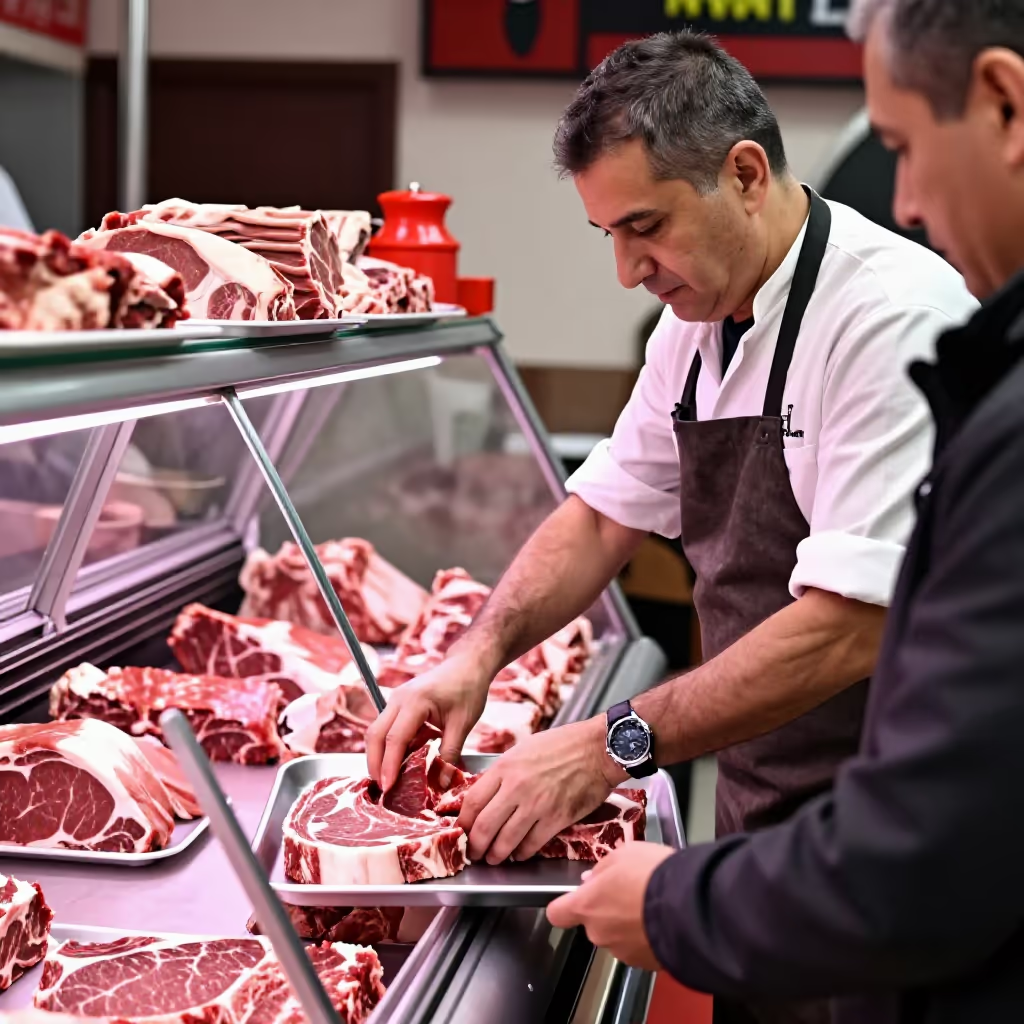
das Rindfleisch
beef
The meat of cattle, such as a cow or bull, intended for consumption.
EXAMPLE
Zum Abendessen gibt es heute einen Braten aus Rindfleisch.
For dinner today, there is a roast made from beef.
beef
Loading your saved state.
beef
The meat of cattle, such as a cow or bull, intended for consumption.
Zum Abendessen gibt es heute einen Braten aus Rindfleisch.
For dinner today, there is a roast made from beef.
The word is composed of 'Rind' (cattle, an animal such as a cow or bull) and 'Fleisch' (meat). The 's' in the middle is a linking S, which connects the two words. So it literally means 'meat from cattle'.
Für Gulasch kaufe ich immer frisches Rindfleisch.
I always buy fresh beef for goulash.
'Rindfleisch' (beef) is normally used as an uncountable noun, similar to 'Wasser' (water) or 'Milch' (milk). When specifying an amount, you use units of measurement such as 'Gramm' (grams), 'Kilo' (kilos), or 'ein Stück' (a piece).
Für das Rezept benötigen wir 500 Gramm Rindfleisch.
For the recipe, we need 500 grams of beef.
Common verbs used with 'Rindfleisch' (beef) are 'zubereiten' (to prepare), 'braten' (to fry/roast), 'kochen' (to cook/boil), and 'essen' (to eat). Typical adjectives are 'zart' (tender), 'mager' (lean), or 'saftig' (juicy).
Das Rindfleisch war sehr zart und hat gut geschmeckt.
The beef was very tender and tasted good.
beef
Beef and Rindfleisch can refer to the same food. Rindfleisch is the neutral German term; Beef is the English-influenced variant, used especially in culinary advertising or on menus. Rindfleisch is usually more suitable for factual product information, while Beef can work in promotional wording.
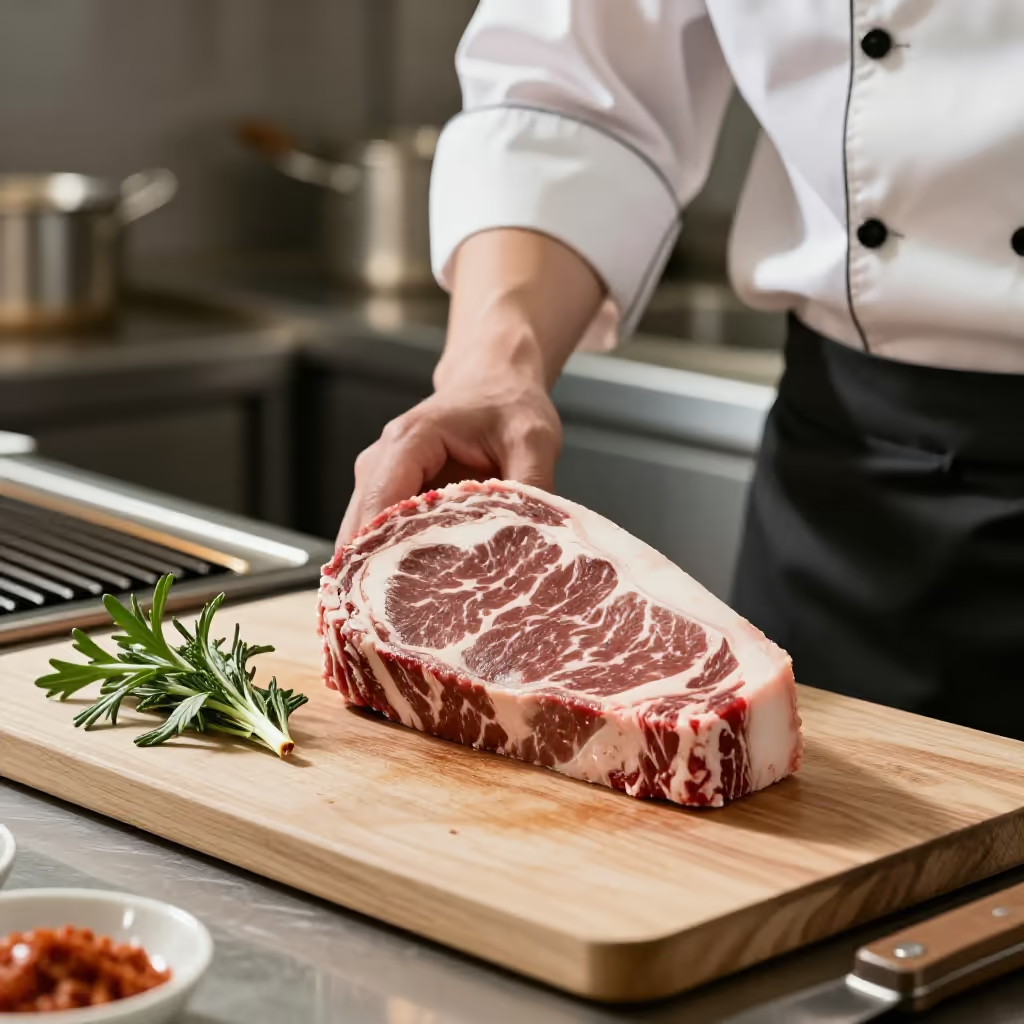
Auf der Zutatenliste steht sachlich, dass der Burger Rindfleisch aus der Region enthält.
The ingredients list states plainly that the burger contains beef from the region.
Der Burgerladen wirbt auf seiner Karte mit saftigem Beef aus der Region.
The burger restaurant advertises juicy beef from the region on its menu.