

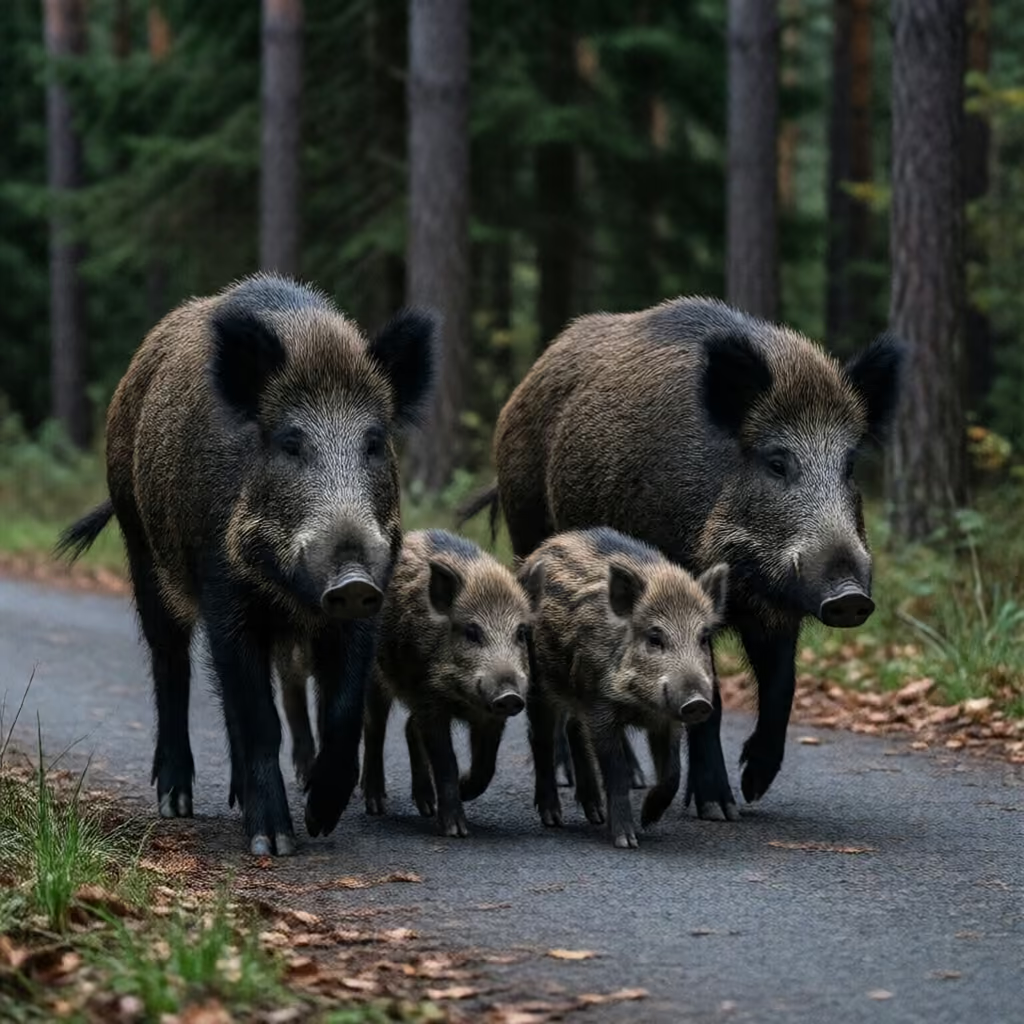
die Rotte
sounder
A group of wild boars that lives or travels together.
EXAMPLE
Eine Rotte Wildschweine überquerte in der Dämmerung die Straße.
A sounder of wild boars crossed the road at dusk.
sounder / group / decomposition
die Rotte, die Rotten
Loading your saved state.
sounder
A group of wild boars that lives or travels together.
Eine Rotte Wildschweine überquerte in der Dämmerung die Straße.
A sounder of wild boars crossed the road at dusk.

group / mob
A close-knit group of people, especially in older or derogatory language.
Eine lärmende Rotte Jugendlicher zog durch den Park.
A noisy mob of young people made its way through the park.
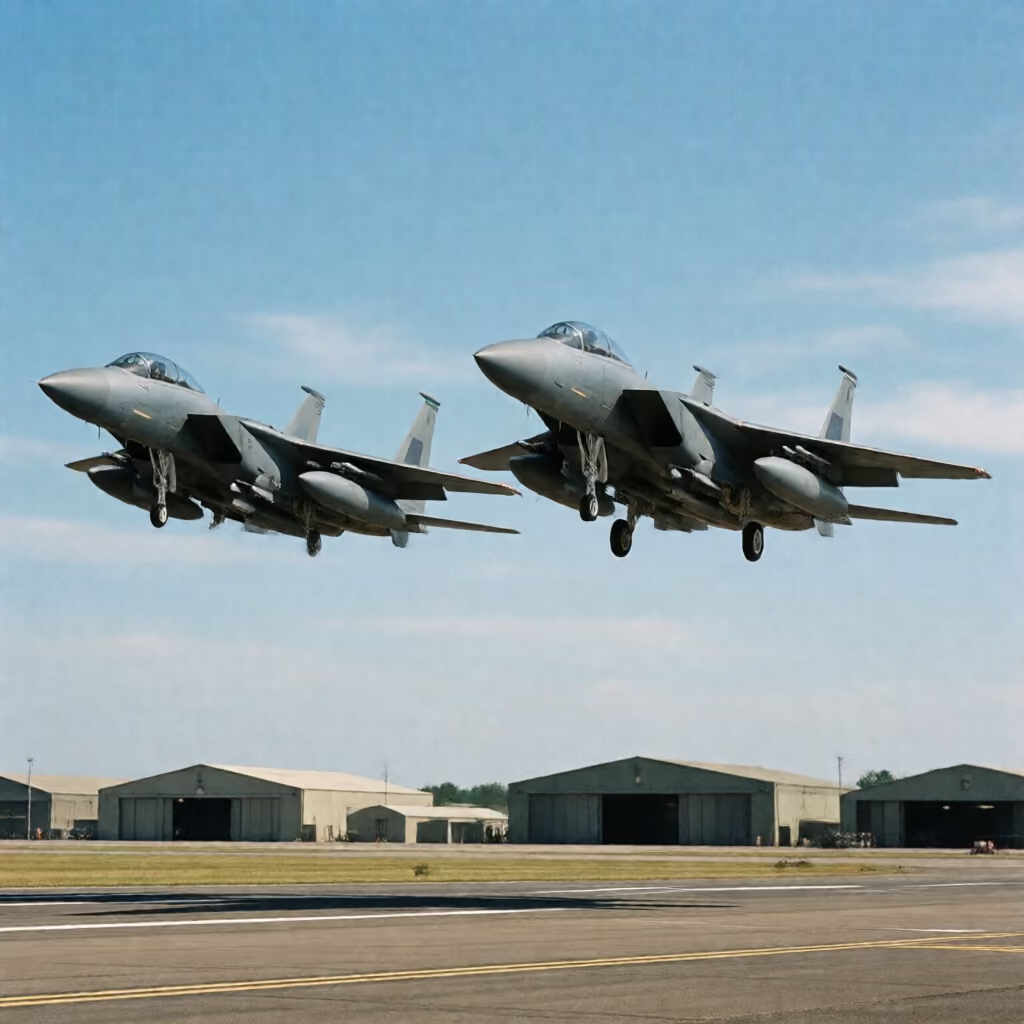
formation
A small military formation, especially two aircraft flying together.
Die beiden Kampfflugzeuge flogen als Rotte über das Übungsgelände.
The two fighter jets flew over the training grounds in formation.
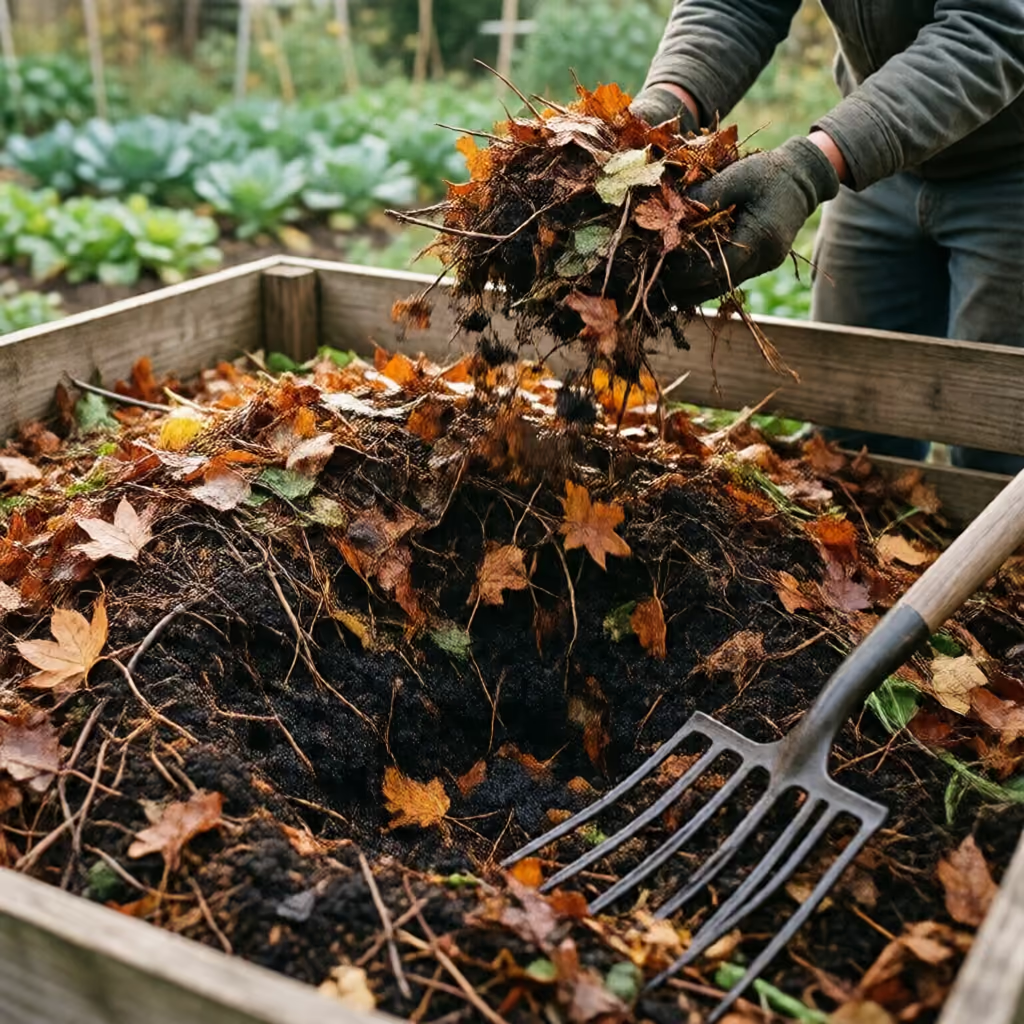
decomposition
The natural or controlled breakdown of organic matter, for example in the production of compost.
Während der Rotte wird das Laub langsam zu Humus abgebaut.
During decomposition, the leaves slowly break down into humus.
| gender | feminine die |
|---|---|
| plural | die Rotten |
| genitive | der Rotte |
| singular | plural | |
|---|---|---|
| nominative | die Rotte | die Rotten |
| accusative | die Rotte | die Rotten |
| dative | der Rotte | den Rotten |
| genitive | der Rotte | der Rotten |
The article changes with the case; it is shown in colour.
The animals can come directly after 'Rotte' (sounder): 'eine Rotte Wildschweine' (a sounder of wild boars). You can also use 'eine Rotte von' (a sounder of) with the dative; this pattern is especially useful when you want to describe the animals in more detail.
Am Waldrand suchte eine Rotte Wildschweine nach Futter.
At the edge of the forest, a sounder of wild boars was looking for food.
Im Wald entdeckten wir eine Rotte von etwa zehn ausgewachsenen Wildschweinen.
In the forest, we spotted a sounder of about ten fully grown wild boars.
When referring to groups of people, negatively evaluative adjectives such as 'wild' (wild), 'lärmend' (noisy), or 'grölend' (roaring) often come before 'Rotte' (mob). Such combinations portray the group as disruptive or threatening.
Vor dem Stadion versperrte eine grölende Rotte den Eingang.
In front of the stadium, a roaring mob blocked the entrance.
In reports about military aircraft, 'eine Rotte bilden' (to form a formation) and 'in einer Rotte fliegen' (to fly in formation) are typical collocations. Here, 'Rotte' describes the formation they fly in, not the type of aircraft.
Die zwei Maschinen bildeten eine Rotte und flogen gemeinsam zum Übungsgebiet.
The two aircraft formed a formation and flew together to the training area.
When talking about composting, you can use 'die Rotte fördern' (to promote decomposition), 'die Rotte beschleunigen' (to speed up decomposition), or 'die Rotte steuern' (to control decomposition). These collocations describe how measures affect the decomposition process.
Regelmäßiges Wenden und die richtige Feuchtigkeit beschleunigen die Rotte.
Regular turning and the right amount of moisture speed up decomposition.