

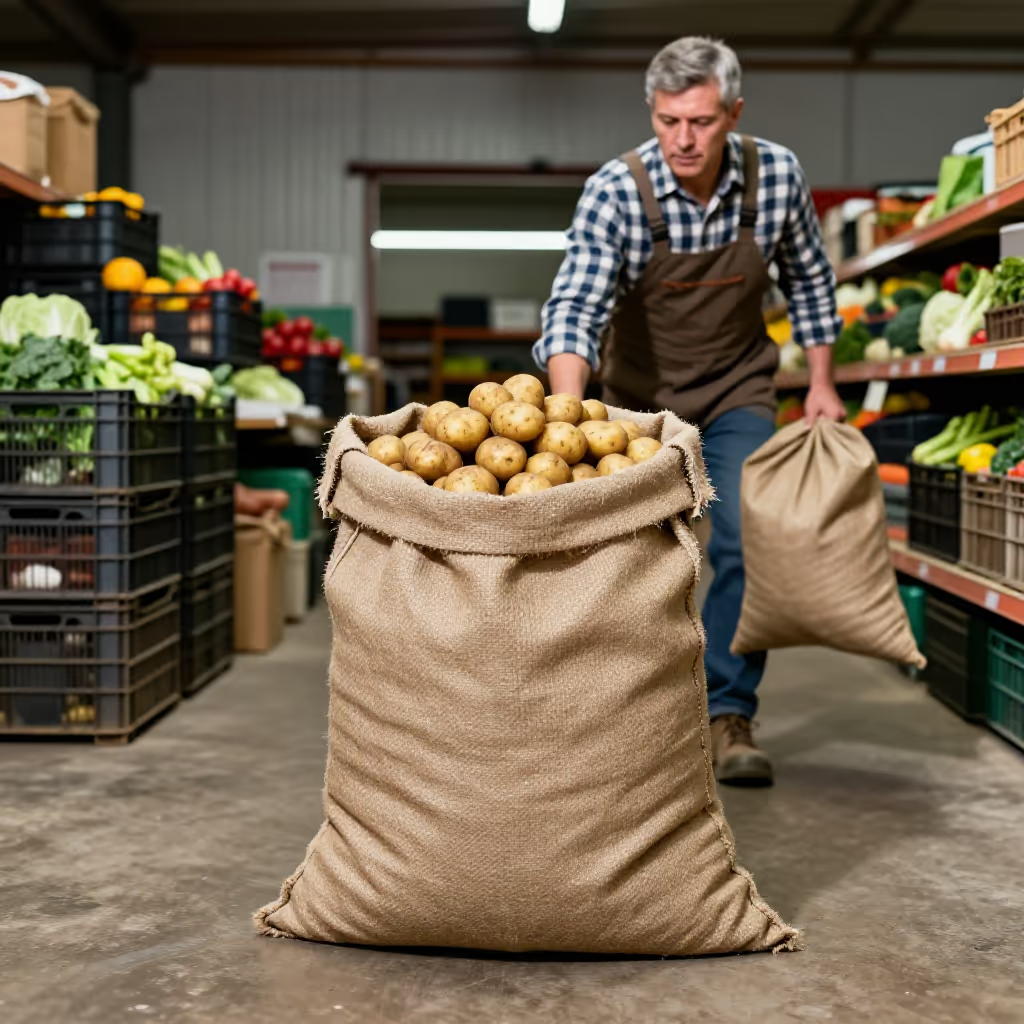
der Sack
sack
A large bag made of sturdy material such as cloth, jute, or plastic, used for transporting or storing things.
EXAMPLE
Die Kartoffeln werden in großen Säcken geliefert.
The potatoes are delivered in large sacks.
sack / scrotum
Loading your saved state.
sack
A large bag made of sturdy material such as cloth, jute, or plastic, used for transporting or storing things.
Die Kartoffeln werden in großen Säcken geliefert.
The potatoes are delivered in large sacks.

to piss someone off
A very colloquial and vulgar expression meaning to annoy or bother someone extremely.
Deine laute Musik geht mir tierisch auf den Sack!
Your loud music is really pissing me off!

to seal the deal
A colloquial expression meaning to successfully finish something, seal a deal, or secure a victory.
Mit diesem Tor hat die Mannschaft den Sack zugemacht.
With this goal, the team sealed the deal.

old bastard
A colloquial, often derogatory term for a person, usually male, whom one sees as unpleasant or old.
Was will dieser alte Sack denn hier?
What does this old bastard want here?
to buy a pig in a poke
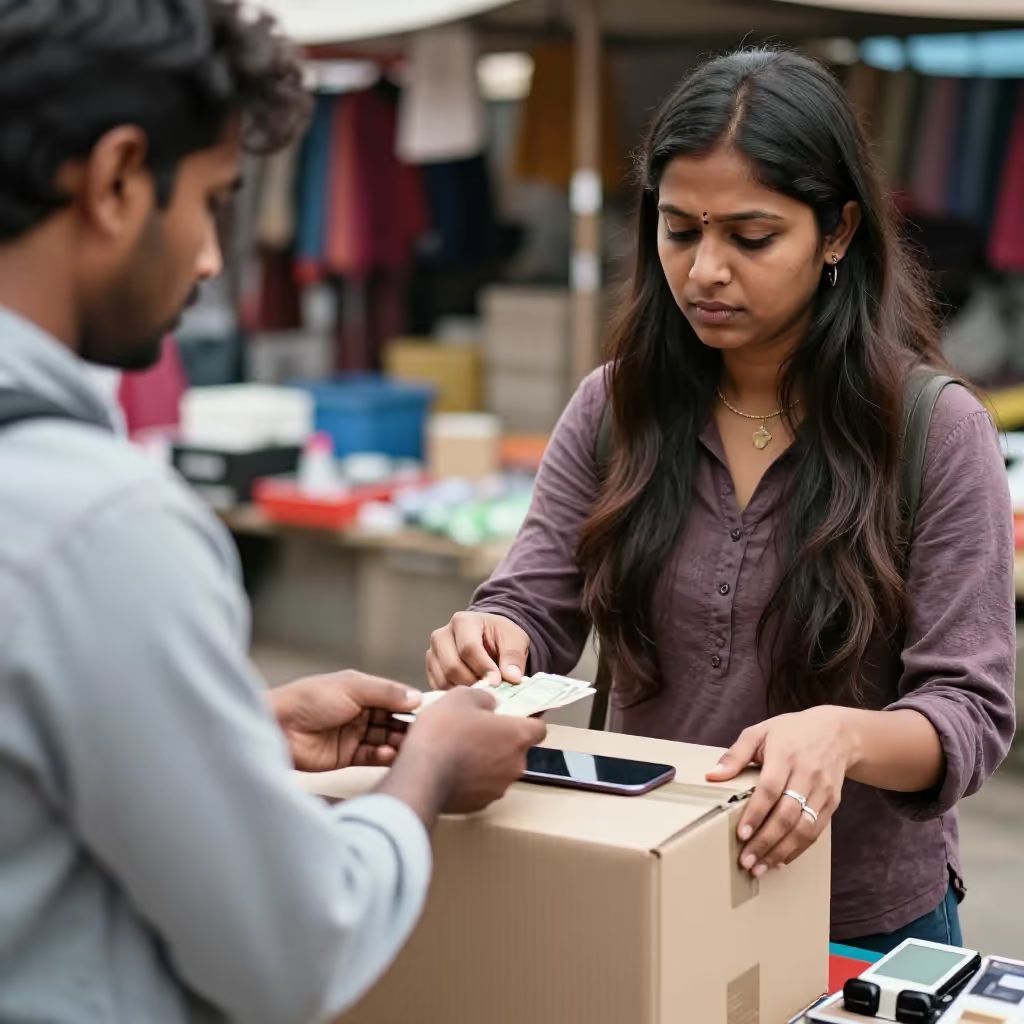
An idiom meaning to buy something without checking it beforehand, possibly taking a risk in the process.
Prüfe das Gebrauchtauto genau, damit du nicht die Katze im Sack kaufst.
Check the used car carefully so that you don't buy a pig in a poke.

scrotum
A crude, colloquial term for the scrotum.
Er hat beim Fußball einen Ball in den Sack bekommen.
He got hit in the sack with a ball while playing soccer.
In addition to the neutral meaning 'Beutel' (bag), the word 'Sack' (sack) also has several very colloquial to vulgar meanings. Use it very carefully in formal situations to avoid misunderstandings.
Kannst du bitte den Sack mit dem Altpapier in den Keller bringen?
Could you please take the sack with the waste paper down to the basement?
The idiom 'jemandem auf den Sack gehen' (to piss someone off) is very colloquial and means 'jemanden extrem nerven' (to annoy someone extremely). The person who is annoyed is always in the dative.
Seine ständige Besserwisserei geht mir gewaltig auf den Sack.
His constant know-it-all behavior really pisses me off.
The expression 'die Katze im Sack kaufen' (to buy a pig in a poke) is a fixed idiom. It means to acquire something without checking it and thereby take an unpredictable risk.
Informiere dich gut über das Unternehmen, bevor du investierst, damit du nicht die Katze im Sack kaufst.
Get good information about the company before you invest so that you don't buy a pig in a poke.
In the expression 'den Sack zumachen' (to seal the deal), 'zumachen' (to close) is a separable verb. In a main clause, the prefix 'zu' goes at the end of the sentence.
Mit diesem wichtigen Vertrag machte die Firma den Sack für dieses Quartal zu.
With this important contract, the company sealed the deal for this quarter.
In its neutral meaning, 'Sack' (sack) is often combined with materials or contents. Typical compounds are 'Müllsack' (garbage bag), 'Kartoffelsack' (potato sack), or 'Schlafsack' (sleeping bag).
Für die Campingtour brauchen wir noch einen warmen Schlafsack.
We still need a warm sleeping bag for the camping trip.
As a term for a person, e.g. 'alter Sack' (old bastard), the word is strongly derogatory and insulting. It should only be used in very informal contexts and with great caution.
Er ärgerte sich über den Fahrer vor ihm und murmelte: „Fahr doch, du alter Sack!"
He got annoyed at the driver in front of him and muttered, 'Move, you old bastard!'
bag / pouch
Sack and Beutel are flexible containers used for carrying or storing things. A Sack is usually large and made of sturdy material, while a Beutel is generally smaller and is also used for smaller quantities or objects. The size and contents help determine which one to choose.
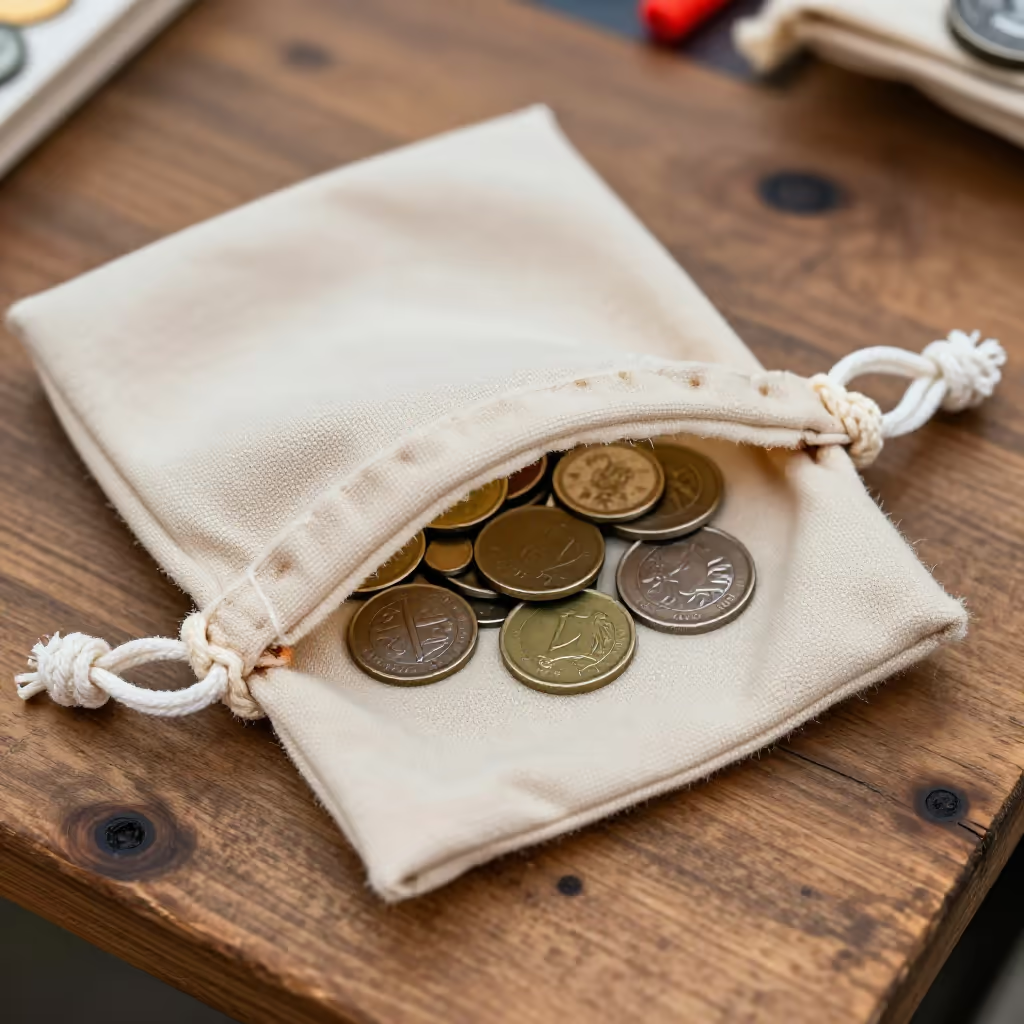
Der Händler trägt einen großen Sack Kartoffeln ins Lager.
The merchant carries a large sack of potatoes into the warehouse.
Der Händler trägt einen kleinen Beutel Schrauben ins Lager.
The merchant carries a small bag of screws into the warehouse.