

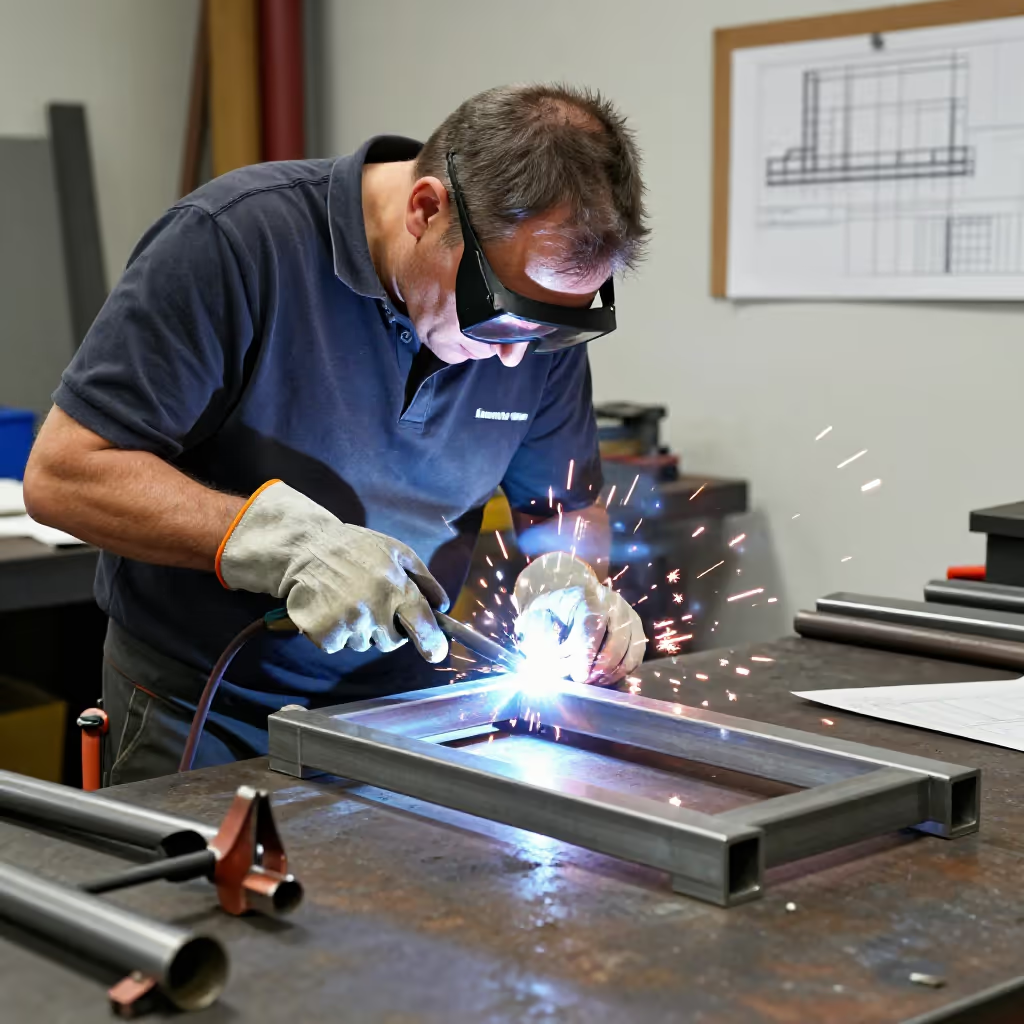
der Schlosser
metalworker
A tradesperson who makes, works on, and installs metal parts for structures, machines, or buildings.
EXAMPLE
Der Schlosser fertigte ein neues Geländer für die Treppe an.
The metalworker made a new railing for the stairs.
metalworker / locksmith
Loading your saved state.
metalworker
A tradesperson who makes, works on, and installs metal parts for structures, machines, or buildings.
Der Schlosser fertigte ein neues Geländer für die Treppe an.
The metalworker made a new railing for the stairs.

locksmith
A tradesperson who makes, repairs, or—in an emergency—opens locks. Often as part of a key service or locksmith service.
Ich habe mich ausgesperrt und musste einen teuren Schlosser rufen.
I locked myself out and had to call an expensive locksmith.
The word 'Schlosser' is derived from 'das Schloss'. 'Das Schloss' can mean both a door lock and a large building (palace/castle), which explains the two main activities of the profession: working on locks and doing metalwork for buildings.
Ein Schlosser muss präzise mit Metall umgehen können.
A metalworker has to be able to work precisely with metal.
You can tell which meaning is intended from the context. If it is about keys, doors, or locking yourself out, it means the tradesperson who works with locks. If it is about metal structures, railings, or gates, it means the metalworker.
Ich habe mich ausgesperrt und muss den Schlosser rufen.
I locked myself out and have to call the locksmith.
When stating a person's profession, 'Schlosser' is often used without an article. This is typical for job titles in German.
Mein Nachbar ist von Beruf Schlosser und arbeitet in einer großen Fabrik.
My neighbor is a metalworker by profession and works in a large factory.
mechanic
Mechaniker and Schlosser can both work on machines. A Mechaniker mainly services or repairs mechanical systems. A Schlosser makes, works on, and assembles the required metal parts, so for work on a machine, the specific focus is what matters.
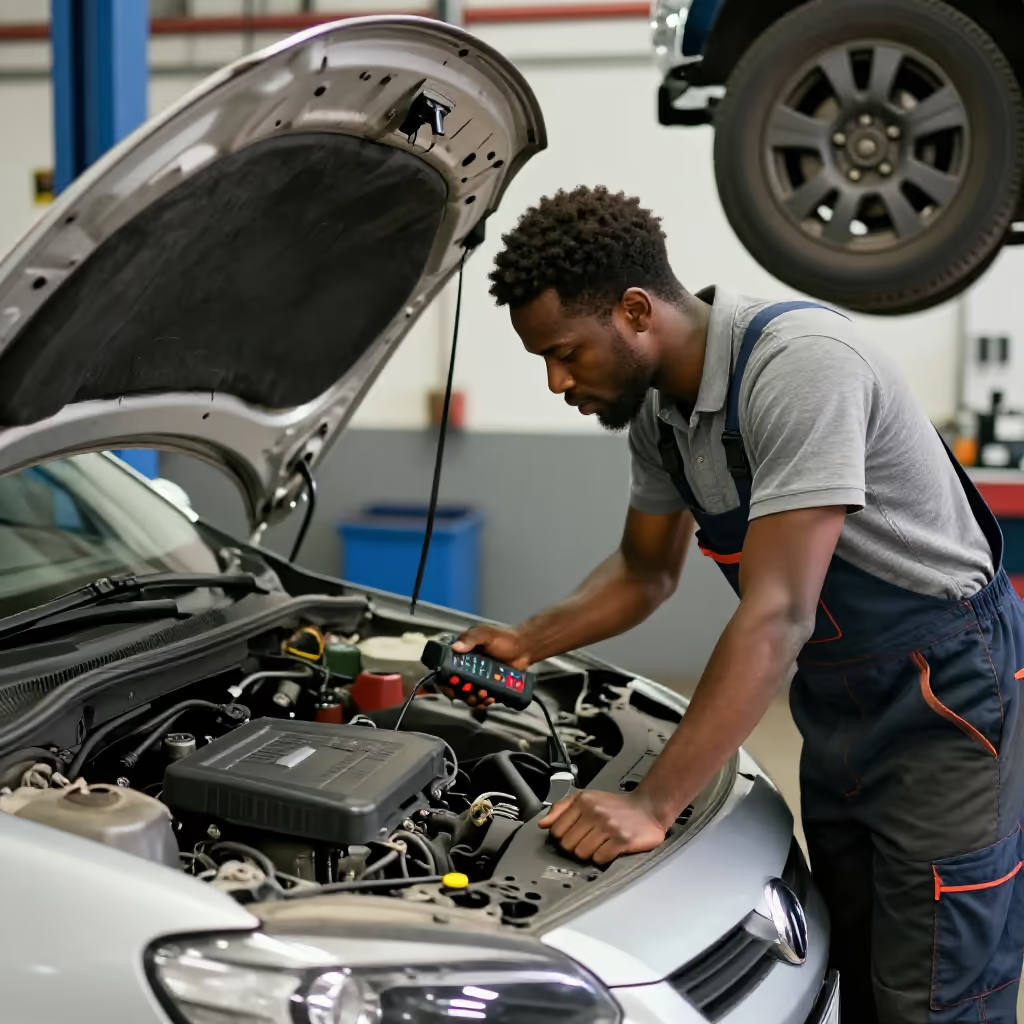
Der Schlosser fertigt eine neue Metallhalterung für dieselbe Maschine an.
The metalworker is making a new metal bracket for the same machine.
Der Mechaniker repariert das defekte Getriebe der Maschine.
The mechanic is repairing the machine's defective transmission.