

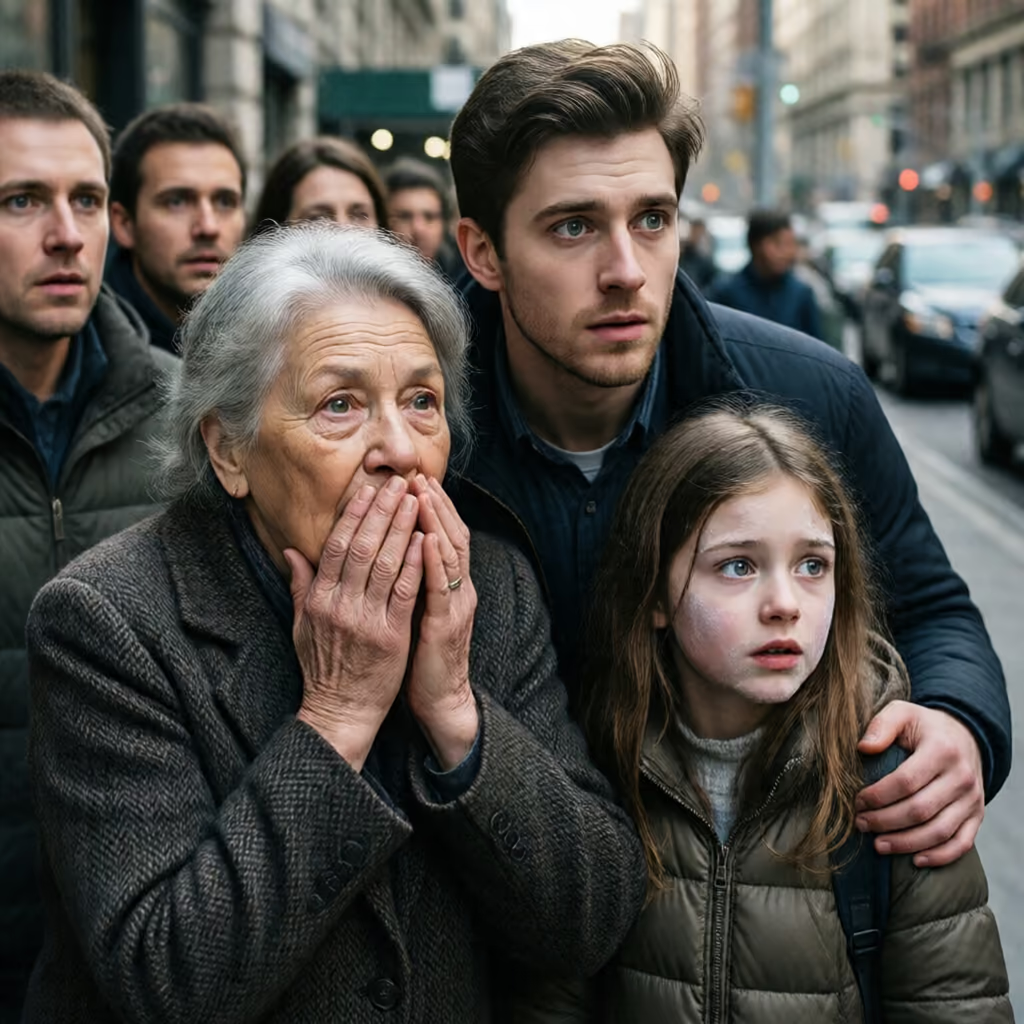
der Schrecken
horror
A strong feeling of fear and horror caused by something threatening or terrible.
EXAMPLE
Der Schrecken über den Unfall war allen deutlich anzusehen.
The horror caused by the accident was clearly visible on everyone's faces.
terror / fright
der Schrecken, die Schrecken
Loading your saved state.
horror
A strong feeling of fear and horror caused by something threatening or terrible.
Der Schrecken über den Unfall war allen deutlich anzusehen.
The horror caused by the accident was clearly visible on everyone's faces.

terror
A person or thing that causes great fear or distress.
Der neue Lehrer war für viele Schüler der reinste Schrecken.
The new teacher was an absolute terror to many students.
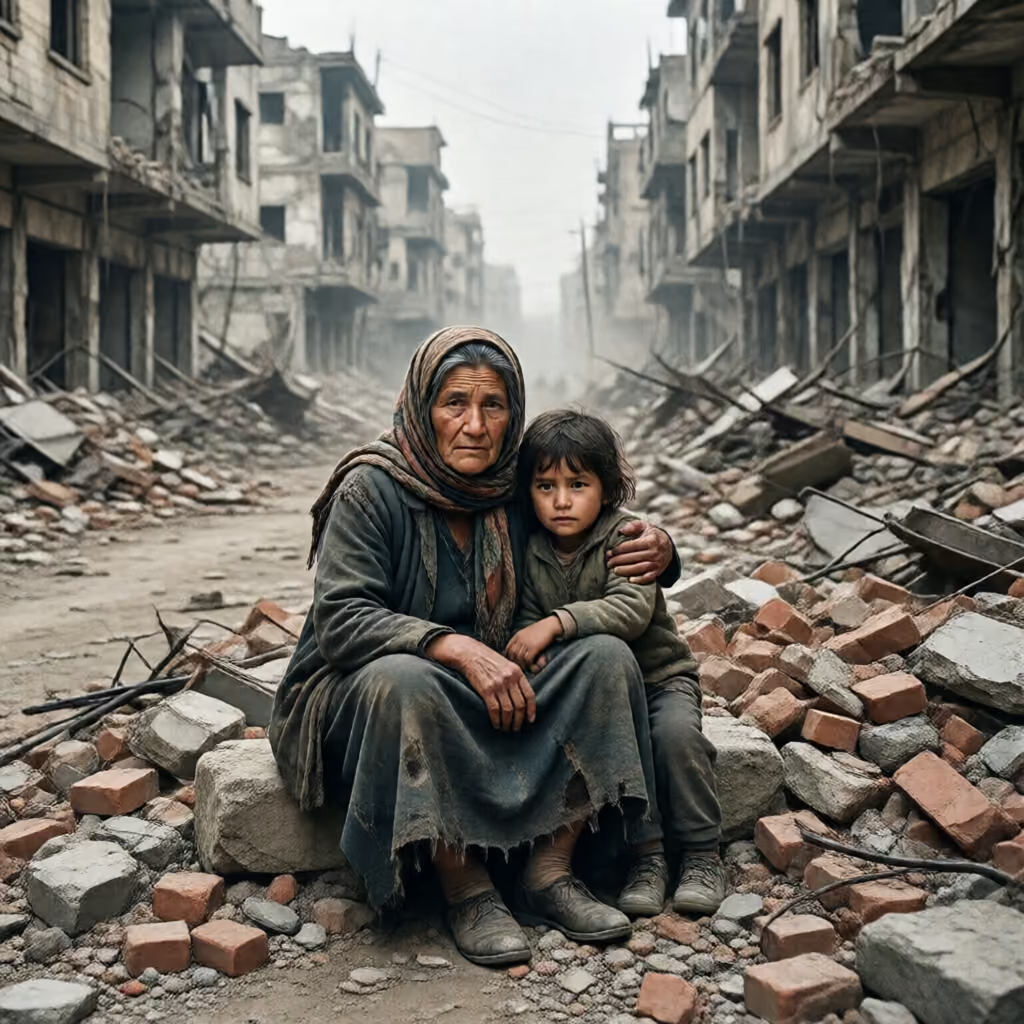
horrors
Usually in the plural: the terrible, cruel aspects or experiences associated with something, especially war or violence.
Der Film zeigt die Schrecken der Diktatur ohne Beschönigung.
The film shows the horrors of the dictatorship without sugarcoating them.
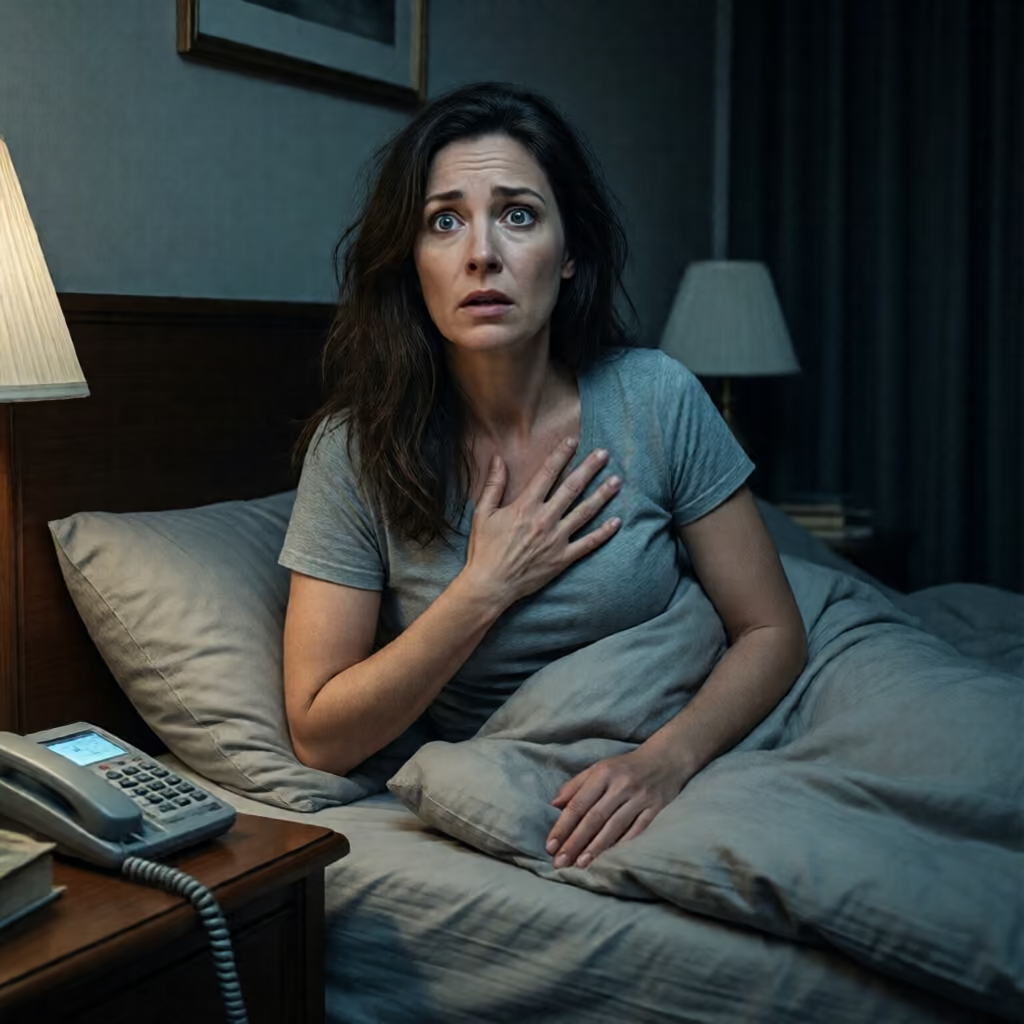
fright
In the fixed expression „jemandem einen Schrecken einjagen“ (to give someone a fright): to suddenly frighten someone greatly.
Du hast mir mit deinem Anruf mitten in der Nacht einen Schrecken eingejagt.
You gave me a fright by calling in the middle of the night.
| gender | masculine der |
|---|---|
| plural | die Schrecken |
| genitive | des Schreckens |
| singular | plural | |
|---|---|---|
| nominative | der Schrecken | die Schrecken |
| accusative | den Schrecken | die Schrecken |
| dative | dem Schrecken | den Schrecken |
| genitive | des Schreckens | der Schrecken |
The article changes with the case; it is shown in colour.
„Schrecken“ (terror / fright) belongs to the word family with the stem „schreck-“ (fright-). „Erschrecken“ (to be startled / to frighten) and „schrecklich“ (terrible) also belong to this word family and help you recognize the meaning in context.
Sie war so erschrocken, dass ihr der Schrecken noch stundenlang in den Knochen saß.
She was so startled that the fright stayed with her for hours.
For a feeling of horror, the phrase „der Schrecken über“ (the horror at) is often used with an accusative. This is usually followed by the event or news that triggered the feeling.
Der Schrecken über die Nachricht ließ die Familie einige Minuten schweigen.
The horror at the news left the family silent for several minutes.
For a person or thing that spreads fear, „Schrecken“ (terror) is often used with a genitive naming those affected: „der Schrecken der Nachbarschaft“ (the terror of the neighborhood), „der Schrecken aller Autofahrer“ (the terror of all drivers).
Der bissige Hund war der Schrecken der ganzen Straße.
The vicious dog was the terror of the entire street.
In this meaning, „Schrecken“ (horrors) is usually used in the plural and often with a genitive stating what is being referred to: „die Schrecken des Krieges“ (the horrors of war), „die Schrecken der Vergangenheit“ (the horrors of the past).
Mein Großvater sprach nie über die Schrecken des Krieges.
My grandfather never spoke about the horrors of war.
In the fixed expression „jemandem einen Schrecken einjagen“ (to give someone a fright), the frightened person is in the dative. „Einen Schrecken“ (a fright) is the accusative object.
Der plötzliche Knall jagte mir einen Schrecken ein.
The sudden bang gave me a fright.