

schultern
to carry on one's shoulders
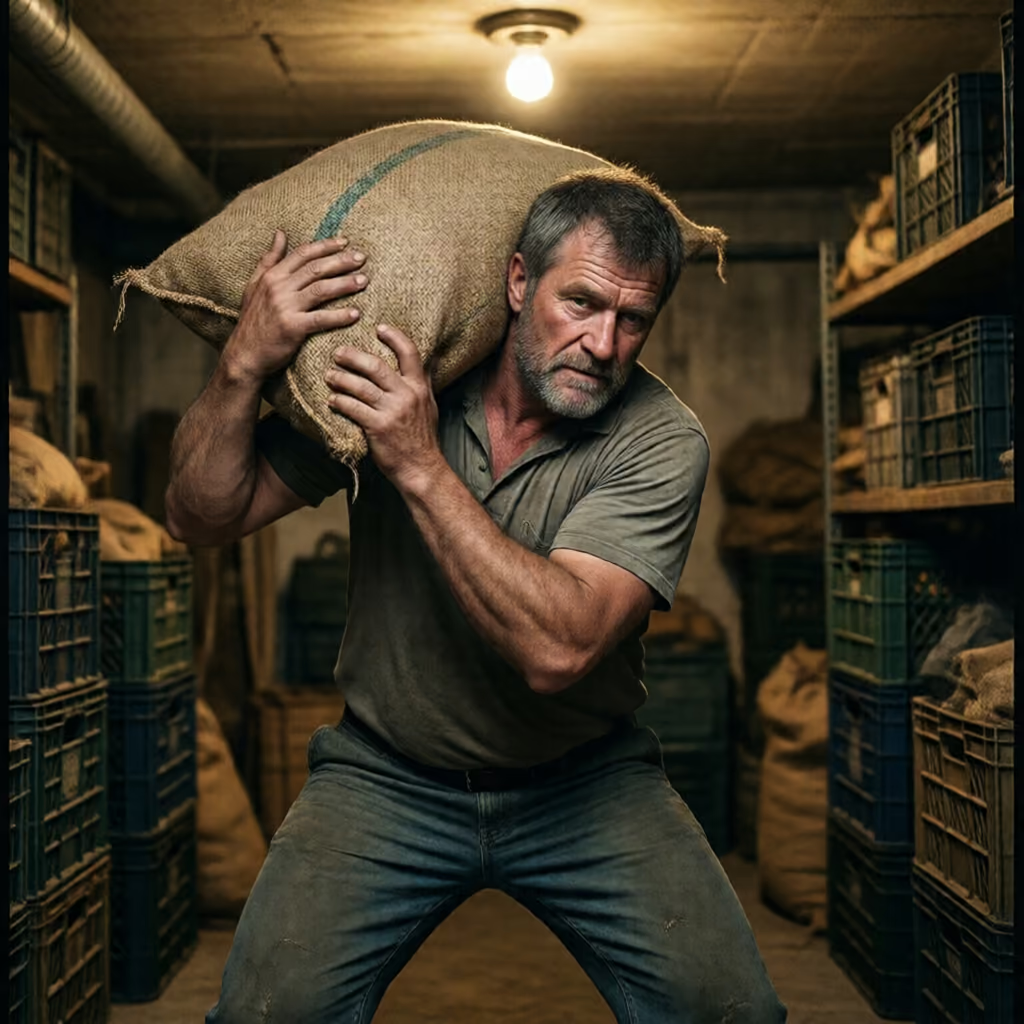
To lift someone or something onto one's shoulder and carry them or it.
EXAMPLE
Er schulterte den schweren Sack und trug ihn in den Keller.
He shouldered the heavy sack and carried it down to the basement.
to shoulder
schultern – schulterte – hat geschultert
Loading your saved state.
to carry on one's shoulders
To lift someone or something onto one's shoulder and carry them or it.
Er schulterte den schweren Sack und trug ihn in den Keller.
He shouldered the heavy sack and carried it down to the basement.

to shoulder
To take on and manage a difficult task, burden, or responsibility.
Sie hat die gesamte Verantwortung für das Projekt geschultert.
She shouldered all the responsibility for the project.
| ich | schultere schultre |
|---|---|
| du | schulterst |
| er/sie/es | schultert |
| wir | schultern |
| ihr | schultert |
| sie | schultern |
| ich | schulterte |
|---|---|
| du | schultertest |
| er/sie/es | schulterte |
| wir | schulterten |
| ihr | schultertet |
| sie | schulterten |
| ich | habe geschultert |
|---|---|
| du | hast geschultert |
| er/sie/es | hat geschultert |
| wir | haben geschultert |
| ihr | habt geschultert |
| sie | haben geschultert |
| du | schultere! schulter!, schultre! |
|---|---|
| ihr | schultert! |
| Sie | schultern Sie! |
| ich | hatte geschultert |
|---|---|
| du | hattest geschultert |
| er/sie/es | hatte geschultert |
| wir | hatten geschultert |
| ihr | hattet geschultert |
| sie | hatten geschultert |
| ich | werde schultern |
|---|---|
| du | wirst schultern |
| er/sie/es | wird schultern |
| wir | werden schultern |
| ihr | werdet schultern |
| sie | werden schultern |
| ich | schultere schultre |
|---|---|
| du | schulterst |
| er/sie/es | schultere schultre |
| wir | schultern |
| ihr | schultert |
| sie | schultern |
Used for reported speech.
| ich | schulterte |
|---|---|
| du | schultertest |
| er/sie/es | schulterte |
| wir | schulterten |
| ihr | schultertet |
| sie | schulterten |
Used for wishes and “would”.
| infinitive | schultern |
|---|---|
| with zu | zu schultern |
| present participle | schulternd |
| past participle | geschultert |
'Schultern' (to shoulder) is derived from the noun 'Schulter' (shoulder). The basic idea behind the verb is carrying something so that it rests on the shoulder; this also gives rise to its figurative use.
Der starke Wanderer schulterte den schweren Rucksack ohne Hilfe.
The strong hiker shouldered the heavy backpack without help.
'Schultern' (to shoulder) is normally used transitively and takes an accusative object. This object refers to the person, thing, or task that someone carries or takes on.
Die Helferin schulterte den bewusstlosen Mann vorsichtig.
The aid worker carefully shouldered the unconscious man.
Concrete people and objects usually point to the physical meaning of 'schultern' (to carry on one's shoulders). Abstract nouns such as 'Verantwortung' (responsibility) or 'Last' (burden) indicate the figurative meaning of the verb.
Der Feuerwehrmann schulterte das Kind.
The firefighter shouldered the child.
Die neue Leiterin schulterte sofort die Verantwortung für das Team.
The new manager immediately shouldered responsibility for the team.
In its physical meaning, 'schultern' (to carry on one's shoulders) is often used with people or objects that are being carried. Common collocations include 'einen Verletzten schultern' (to carry an injured person on one's shoulders), 'ein Kind schultern' (to carry a child on one's shoulders), and 'einen Rucksack schultern' (to shoulder a backpack).
Nach dem Sturz schulterte der Bergführer den verletzten Wanderer.
After the fall, the mountain guide shouldered the injured hiker.
In its figurative meaning, 'schultern' (to shoulder) is especially often used with 'Verantwortung' (responsibility), 'Last' (burden), 'Bürde' (burden), or 'Aufgabe' (task). The verb emphasizes that someone actively takes on and carries something difficult.
Während der Krise schulterte sie die größte Last im Unternehmen.
During the crisis, she shouldered the greatest burden in the company.